AI Assistants for Business Owners: The Complete Guide to Future-Proofing Your Marketing, Sales, and Customer Experience
The business landscape is experiencing a seismic shift. By 2026, AI assistants for business owners will become essential tools that separate thriving companies from those left behind. As personal AI assistants like ChatGPT, Gemini, and Claude become the primary interface between consumers and brands, business owners must adapt their strategies or risk becoming invisible in this new economy.
This transformation isn’t just about adding chatbots to your website. We’re witnessing the emergence of agent-to-agent commerce, where your customers’ AI assistants will interact directly with your business systems to make purchases, schedule appointments, and resolve issues. For companies generating $500K to $10M in revenue, this shift presents both unprecedented opportunities and critical challenges that demand immediate attention.
Why 2026 Marks the AI Assistant Tipping Point
The convergence of several technological and consumer trends has created a perfect storm for AI assistant adoption. Industry research indicates that 92% of retailers are increasing their AI investments, with the retail AI market projected to reach $52.45 billion by 2030. More importantly, up to 70% of shoppers are expected to use AI tools throughout their buying journey by 2026.
Unlike traditional company-deployed chatbots that operate within specific websites or apps, consumer-owned AI assistants work independently across all platforms. They understand user context, preferences, and history, making them infinitely more powerful and trustworthy from the customer’s perspective. These assistants can schedule flights, purchase products, resolve support issues, and conduct research without requiring users to navigate multiple websites or interfaces.
For AI assistants for business owners, this means preparing for a world where your ideal customers may never visit your website directly. Instead, their AI agents will evaluate your offerings, compare prices, check availability, and even complete purchases on their behalf. Companies that fail to optimize for this reality will find themselves excluded from an increasingly significant portion of commercial activity.
How AI Assistants Are Transforming Sales Funnels
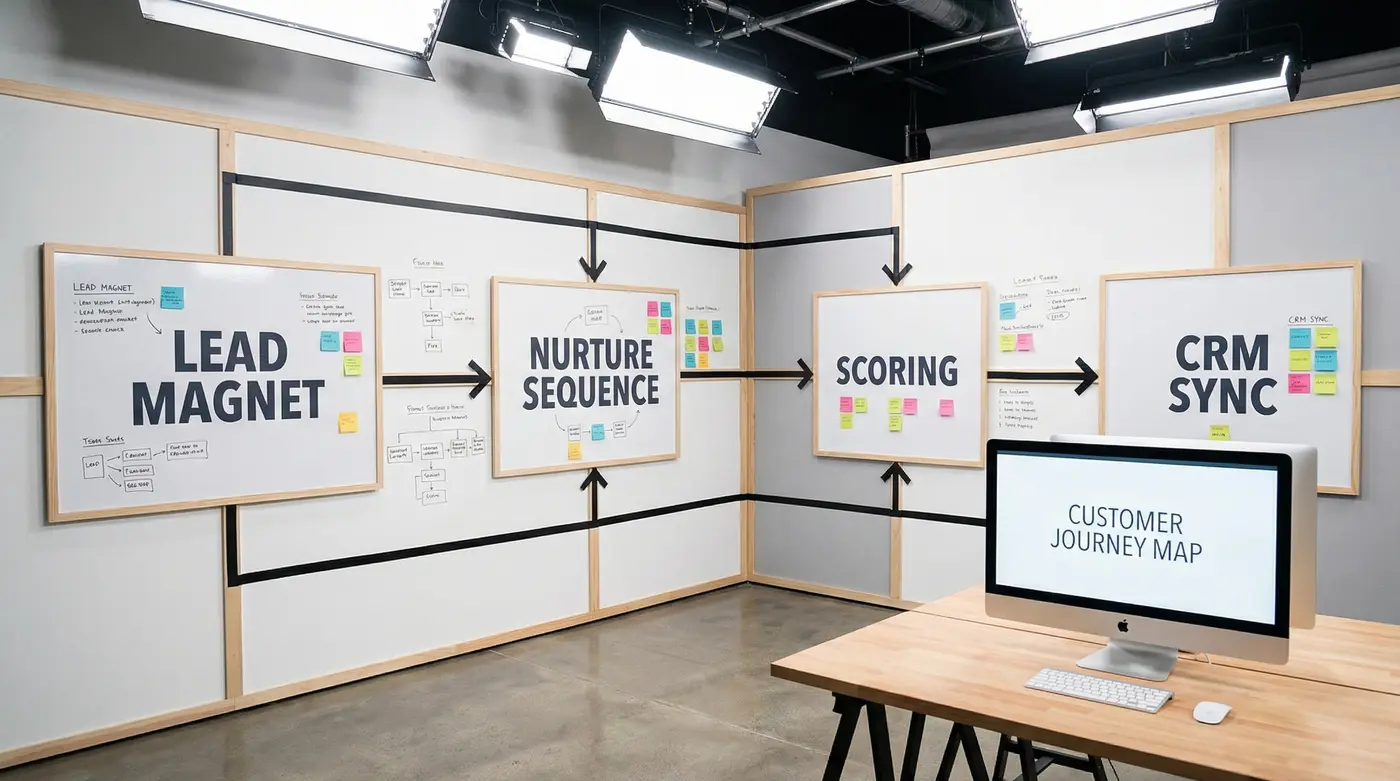
Traditional sales funnels rely on guiding prospects through awareness, consideration, and decision stages using carefully crafted touchpoints. AI assistants compress this journey dramatically, often reducing what once took days or weeks into minutes or seconds. This acceleration requires fundamental changes to how businesses approach lead capture, nurturing, and conversion.
Sales funnel optimization tips for the AI era focus on three critical areas. First, ensure your product information, pricing, and availability are accessible through structured data and APIs that AI assistants can easily consume. Second, implement real-time inventory and pricing systems that can respond instantly to AI queries. Third, design conversion paths that work for both human users and AI agents conducting transactions on behalf of their owners.

Leading retailers like Target and Walmart have already begun integrating with Google’s Gemini AI Assistant through the Universal Commerce Protocol, allowing customers to browse inventory, receive personalized recommendations, and complete purchases entirely within conversational AI interfaces. This represents the future of commerce, where businesses must optimize for discoverability and transaction capability within AI ecosystems rather than relying solely on traditional web interfaces.
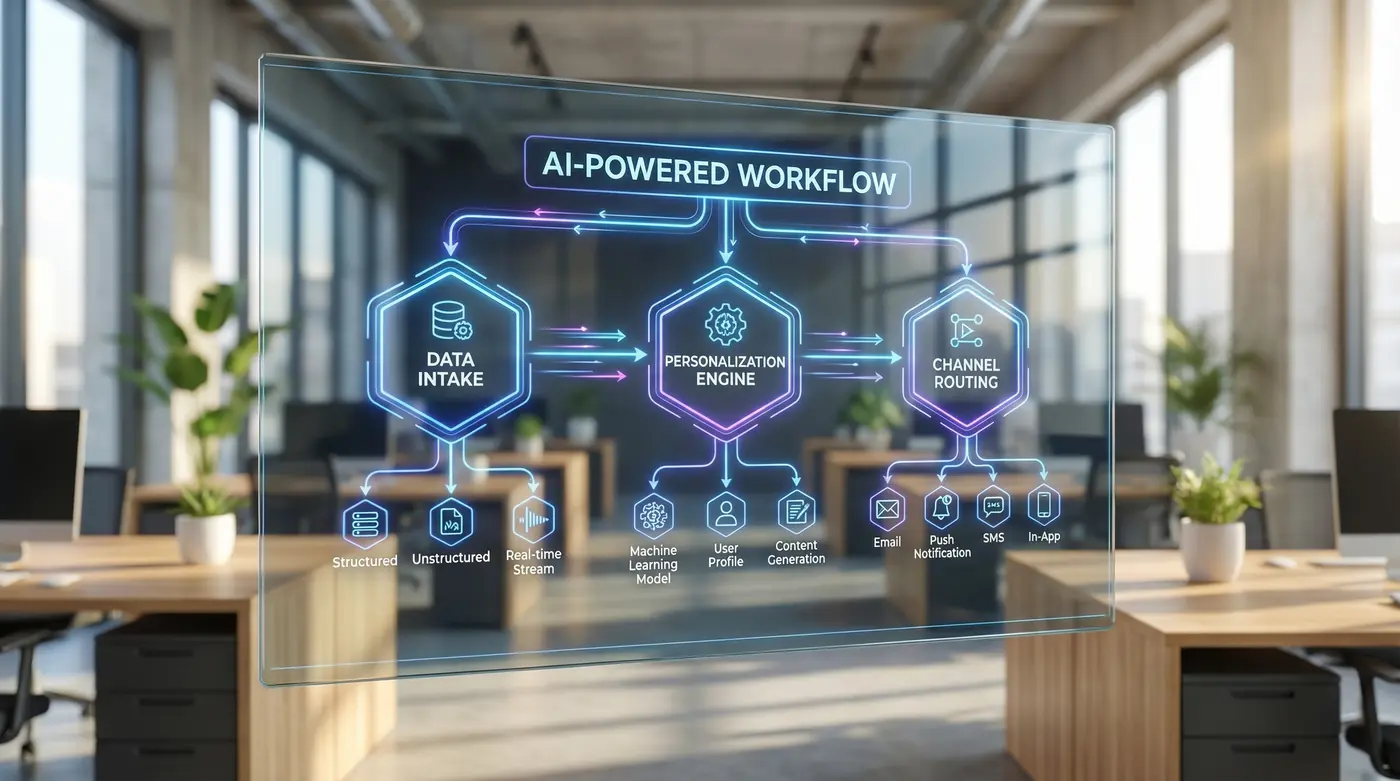
The implications extend beyond e-commerce. Service-based businesses, including high-ticket coaching and consulting firms, must prepare for AI assistants that can schedule consultations, qualify leads, and even negotiate pricing within predefined parameters. This shift demands robust CRM integration and automation capabilities that can handle complex, multi-step interactions without human intervention.
Preparing Your Sales Infrastructure
Successful adaptation requires auditing and upgrading your current sales infrastructure. Begin by evaluating whether your CRM system can expose customer data and interaction history through APIs that external AI assistants can access securely. Review your product catalogs, service descriptions, and pricing structures to ensure they’re formatted in machine-readable formats.
Consider implementing chatbot-to-AI assistant handoff protocols that allow seamless transitions between your internal automation and external AI agents. This hybrid approach maintains control over sensitive interactions while accommodating the growing preference for AI-mediated transactions.
Practical Steps for AI Agent Integration
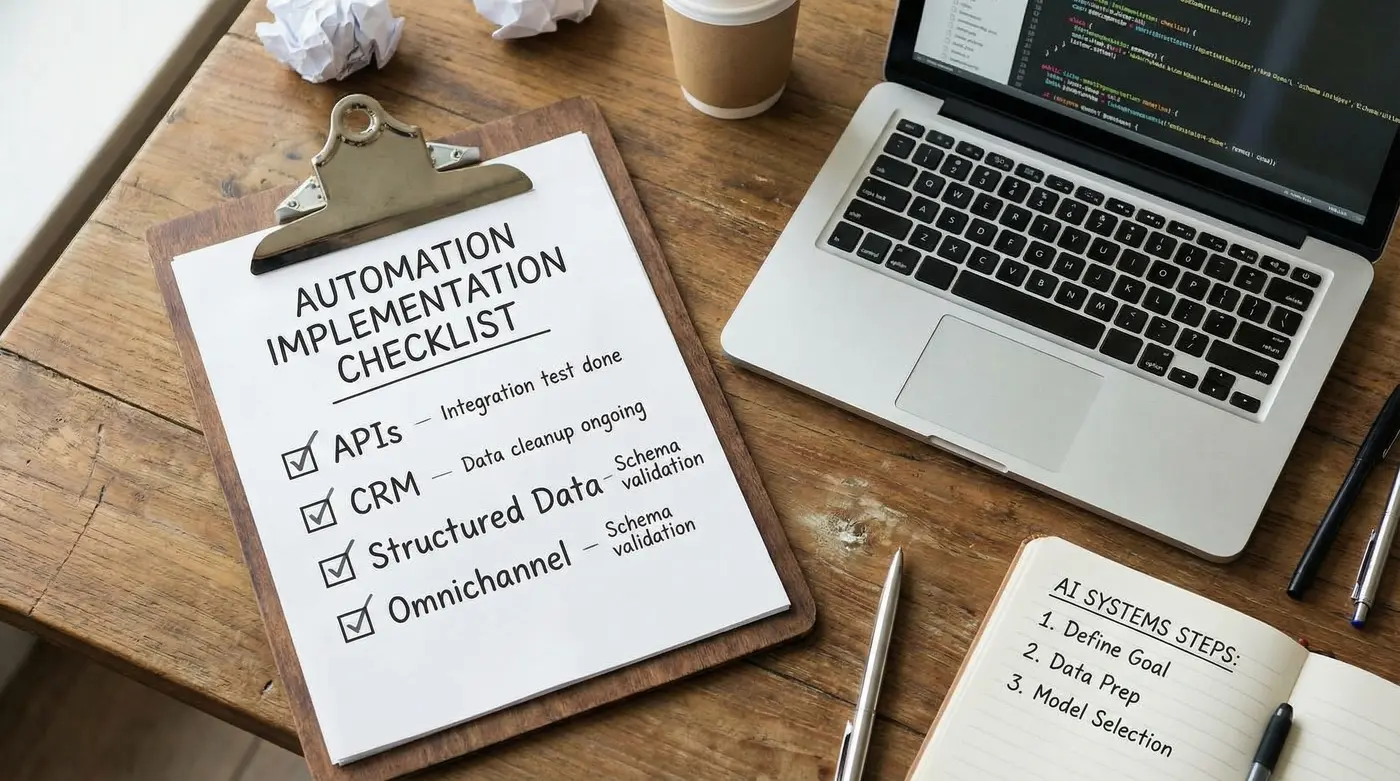
Implementing business automation for small business in the age of AI assistants requires a systematic approach. Start with a comprehensive technology stack audit to identify gaps in your current systems. Focus on four critical areas: API readiness, structured data implementation, CRM automation capabilities, and omnichannel integration.
API readiness involves ensuring your key business systems can communicate with external applications. This includes your e-commerce platform, booking system, inventory management, and customer support tools. Many businesses discover that their current solutions lack adequate API functionality, necessitating platform upgrades or integrations with more modern alternatives.
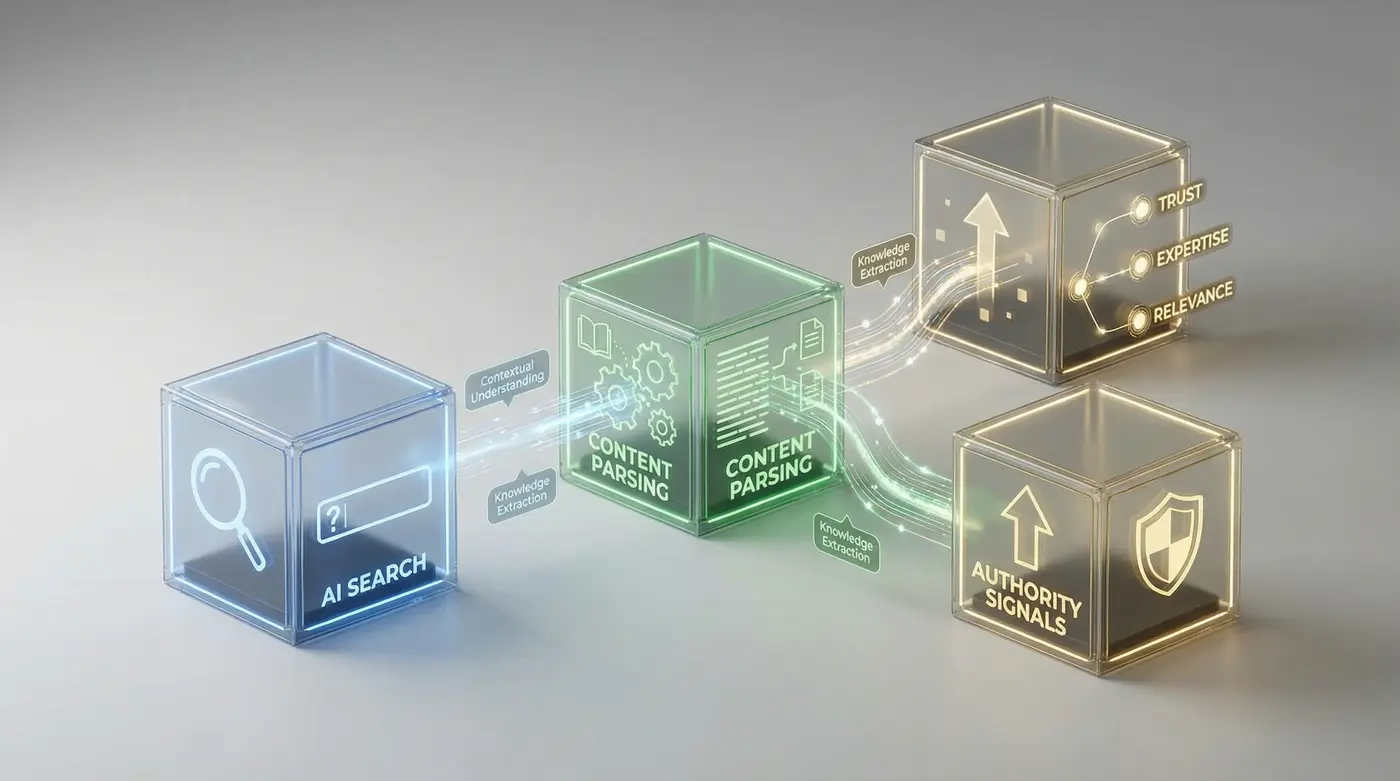
Structured data implementation means organizing your business information using standardized formats that AI assistants can easily interpret. This includes product specifications, service descriptions, pricing, availability, and customer reviews. The goal is to make your business information as accessible to AI agents as it is to human visitors.
CRM automation becomes crucial when AI assistants begin interacting with your business on behalf of customers. Your system must be able to create leads, update contact information, schedule appointments, and track interactions automatically. This level of automation ensures that AI-mediated transactions integrate seamlessly with your existing sales and marketing processes.
Omnichannel Readiness
Omnichannel integration takes on new importance when customers can interact with your business through multiple AI assistants across different platforms. A customer might begin a conversation with your business through ChatGPT, continue it via Google’s Gemini, and complete the transaction through their preferred voice assistant. Your systems must maintain context and continuity across all these touchpoints.
This requires implementing unified customer profiles that track interactions regardless of the channel or AI assistant involved. It also means ensuring consistent pricing, availability, and policy information across all platforms where AI assistants might encounter your business.
The New Rules of Personalization and Privacy
AI assistants bring unprecedented personalization capabilities, but they also introduce complex privacy considerations that businesses must navigate carefully. Consumer-owned AI assistants have access to comprehensive user histories, preferences, and behavioral patterns that far exceed what traditional marketing tools can capture.
This depth of personalization creates opportunities for highly targeted marketing and sales approaches. However, it also requires businesses to implement robust data security measures and comply with evolving privacy regulations. Industries like real estate and financial services face additional compliance requirements when dealing with AI-mediated transactions involving sensitive personal and financial information.
On-device AI processing represents a significant trend that affects how businesses approach personalization. As companies like Apple and Meta develop more powerful on-device language models, some AI assistant interactions will occur entirely on the user’s device, never transmitting personal data to external servers. This shift requires businesses to develop hybrid strategies that can serve both cloud-based and on-device AI assistants effectively.
Compliance and Security Considerations
Regulated industries must pay particular attention to how AI assistant interactions affect compliance requirements. Financial services firms must ensure that AI-mediated transactions maintain appropriate audit trails and regulatory reporting. Real estate professionals need to verify that AI assistants can properly handle disclosure requirements and documentation standards.
Security measures must evolve to address the unique challenges of AI agent interactions. This includes implementing robust authentication methods for AI assistants acting on behalf of users, ensuring data encryption for sensitive transactions, and maintaining detailed logs of all AI-mediated interactions for compliance and security auditing purposes.
Balancing Automation with Human Touch
While AI assistants will handle an increasing volume of routine interactions, the human element remains crucial for building trust and managing complex situations. The most successful businesses will use AI to handle standard transactions and inquiries while reserving human interaction for high-value, emotionally sensitive, or exception-based situations.
This approach requires redesigning customer service and sales processes to identify when human intervention adds the most value. For high-ticket coaching and consulting businesses, human expertise becomes a premium differentiator that commands higher prices and builds stronger client relationships. AI assistants can handle scheduling, basic information requests, and routine follow-ups, freeing human experts to focus on strategy, relationship building, and complex problem-solving.
Consider implementing tiered service models where access to human experts becomes a premium offering. Some forward-thinking companies now position human support as a luxury service, charging premium prices for direct access to human specialists while offering AI-powered support as the standard option.
Creating Premium Human Experiences
The key to successful human-AI balance lies in making human interactions feel genuinely premium rather than like a fallback option when AI fails. This means training human team members to provide exceptional value that AI cannot replicate, such as creative problem-solving, emotional intelligence, and strategic thinking.
For businesses in luxury sectors, human interaction becomes part of the brand experience itself. Clients expect and are willing to pay for personalized attention, creative solutions, and the status associated with working directly with recognized experts. AI assistants should enhance these interactions by handling preparation, follow-up, and routine tasks, allowing human experts to focus entirely on high-value activities.
Learning from Industry Leaders
Target and Walmart’s integration with Google’s Gemini AI Assistant through the Universal Commerce Protocol provides valuable insights for businesses of all sizes. These implementations demonstrate how major retailers are preparing for agent-to-agent commerce by exposing structured product data, implementing real-time inventory systems, and creating seamless transaction flows that work entirely within conversational AI interfaces.
The Universal Commerce Protocol represents an open standard that allows AI assistants to securely access, query, and transact across retailer systems. While the technical demands may initially favor larger companies, the standardized approach eventually enables smaller businesses to participate in AI-driven commerce ecosystems without requiring extensive custom development.
Key lessons from these implementations include the importance of real-time data synchronization, the need for flexible pricing and inventory systems, and the value of maintaining brand consistency even when transactions occur within third-party AI interfaces. These companies have also demonstrated the importance of cross-platform compatibility, ensuring their systems work with multiple AI assistants rather than limiting themselves to single platforms.
Scalable Implementation Strategies
Smaller businesses can adapt these lessons by focusing on the underlying principles rather than replicating complex technical implementations. Start by ensuring your business information is consistently formatted and easily accessible across all digital touchpoints. Implement inventory and pricing systems that can provide real-time updates, even if you’re not yet ready for full API integration.
Consider partnering with technology providers that offer AI-ready solutions specifically designed for businesses in your size range. Many CRM, e-commerce, and marketing automation platforms are adding AI assistant integration capabilities, allowing smaller businesses to benefit from enterprise-level functionality without requiring extensive technical resources.
Your AI Assistant Implementation Roadmap
Successfully implementing AI implementation for online business requires a structured approach that balances immediate needs with long-term strategic goals. Begin with a comprehensive audit of your current technology stack, focusing on identifying systems that can be upgraded or integrated to support AI assistant interactions.
Phase one should focus on data organization and accessibility. Ensure your product information, service descriptions, pricing, and availability data are structured consistently across all platforms. Implement basic API access for key business systems, starting with your CRM and primary sales platforms. This foundation enables AI assistants to access essential information about your business and offerings.
Phase two involves implementing automation workflows that can handle routine AI assistant requests without human intervention. This includes automated lead capture, appointment scheduling, basic customer service inquiries, and transaction processing. Focus on creating seamless handoff procedures between AI systems and human team members for situations requiring personal attention.
Phase three expands into advanced personalization and cross-platform integration. Implement unified customer profiles that track interactions across multiple AI assistants and platforms. Develop sophisticated automation rules that can provide personalized recommendations and pricing based on customer history and preferences.
Measuring Success and ROI
Traditional marketing metrics must evolve to capture the impact of AI assistant integration. New key performance indicators include “Share of Model” (how frequently AI assistants recommend your business), AI-mediated conversion rates, and the efficiency of automated versus human-handled interactions.
Track the volume and quality of leads generated through AI assistant interactions, measuring both immediate conversions and long-term customer value. Monitor customer satisfaction scores for AI-mediated transactions compared to traditional interactions, identifying areas where the technology enhances or detracts from the customer experience.
Cost efficiency becomes a crucial metric as AI assistants can dramatically reduce the expense of routine customer interactions while potentially increasing the value of human expert time. Calculate the return on investment by comparing the cost of AI implementation against savings in customer service expenses and increases in conversion rates and average transaction values.
Preparing for Exponential Growth
The businesses that successfully integrate AI assistants into their marketing, sales, and customer experience strategies will be positioned for exponential growth as this technology becomes mainstream. Industry projections suggest that AI-mediated commerce will represent a significant portion of all business transactions within three to five years.
This transformation creates opportunities for businesses to serve more customers with the same or fewer resources, expand into new markets with lower acquisition costs, and provide personalized experiences at scale. Companies that establish strong AI assistant integration early will build competitive advantages that become increasingly difficult for competitors to replicate.
The key to capitalizing on this opportunity lies in viewing AI assistant integration not as a technology project but as a fundamental business transformation. It requires changes to processes, training for team members, and often shifts in business models to accommodate new ways of engaging with customers.
For businesses targeting rapid growth, AI assistants offer a path to scaling operations without proportionally increasing costs. The automation capabilities enable handling larger customer volumes while maintaining service quality, creating the operational leverage necessary for doubling business growth within 12 months.
Taking Action Today
The window for gaining a competitive advantage through early AI assistant adoption is rapidly closing. While most businesses are still in experimental phases, the companies that implement comprehensive AI integration strategies now will be best positioned when this technology becomes standard practice.
Start by conducting a thorough assessment of your current technology infrastructure, identifying gaps that prevent effective AI assistant integration. Prioritize upgrades that provide immediate benefits while building toward longer-term AI capabilities. Focus on creating systems and processes that enhance rather than replace human expertise, positioning your business to deliver exceptional value in an increasingly automated world.
The future belongs to businesses that successfully blend cutting-edge AI capabilities with authentic human connections. By implementing the strategies outlined in this guide, you’ll be prepared to thrive in the age of AI assistants while maintaining the personal touch that builds lasting customer relationships and drives sustainable growth.
Ready to future-proof your business with AI assistants? The transformation is happening now, and the businesses that act decisively will capture the greatest benefits. Don’t wait until your competitors have already established their AI advantage. Take the first step toward doubling your growth by implementing these AI assistant strategies today.