The Complete Guide to Automated Sales Funnels: Build, Scale, and Optimize for Double-Digit Growth
In today’s hyper-competitive business landscape, companies with revenues between $500K and $10M face a critical challenge: how to scale efficiently while maintaining quality customer relationships. The answer lies in automated sales funnels that leverage artificial intelligence, multi-channel integration, and sophisticated CRM systems to create predictable, scalable growth engines.
Business leaders who implement well-designed automated sales funnels are seeing remarkable results. Companies are doubling their revenue within 12 months by systematically guiding prospects from initial awareness through conversion and retention, all while reducing manual workload and increasing personalization at scale.
Why Automated Sales Funnels Are Essential for Modern Business Growth
The traditional sales approach of manual follow-ups, scattered touchpoints, and disconnected systems simply cannot keep pace with modern buyer expectations. Today’s prospects expect immediate responses, personalized experiences, and seamless interactions across multiple channels. Automated sales funnels address these demands while creating operational efficiency that drives profitability.
Modern buyers research extensively before making purchase decisions, especially in high-ticket sectors like luxury real estate and financial services. They consume content across social media, search engines, email, and direct outreach before engaging with sales teams. An automated funnel captures these interactions, scores engagement levels, and delivers the right message at the optimal moment.
The evolution of marketing technology has reached a tipping point where artificial intelligence can analyze buyer behavior in real-time, predict next actions, and personalize outreach at unprecedented scale. This technological advancement, combined with sophisticated CRM integration, creates opportunities for businesses to automate routine tasks while maintaining authentic human connections where they matter most.
Essential Components of High-Converting Automated Sales Funnels
A comprehensive automated sales funnel consists of several interconnected components that work together to move prospects through the customer journey efficiently. Understanding these elements is crucial for building systems that generate consistent results.
Lead Capture and Qualification Systems
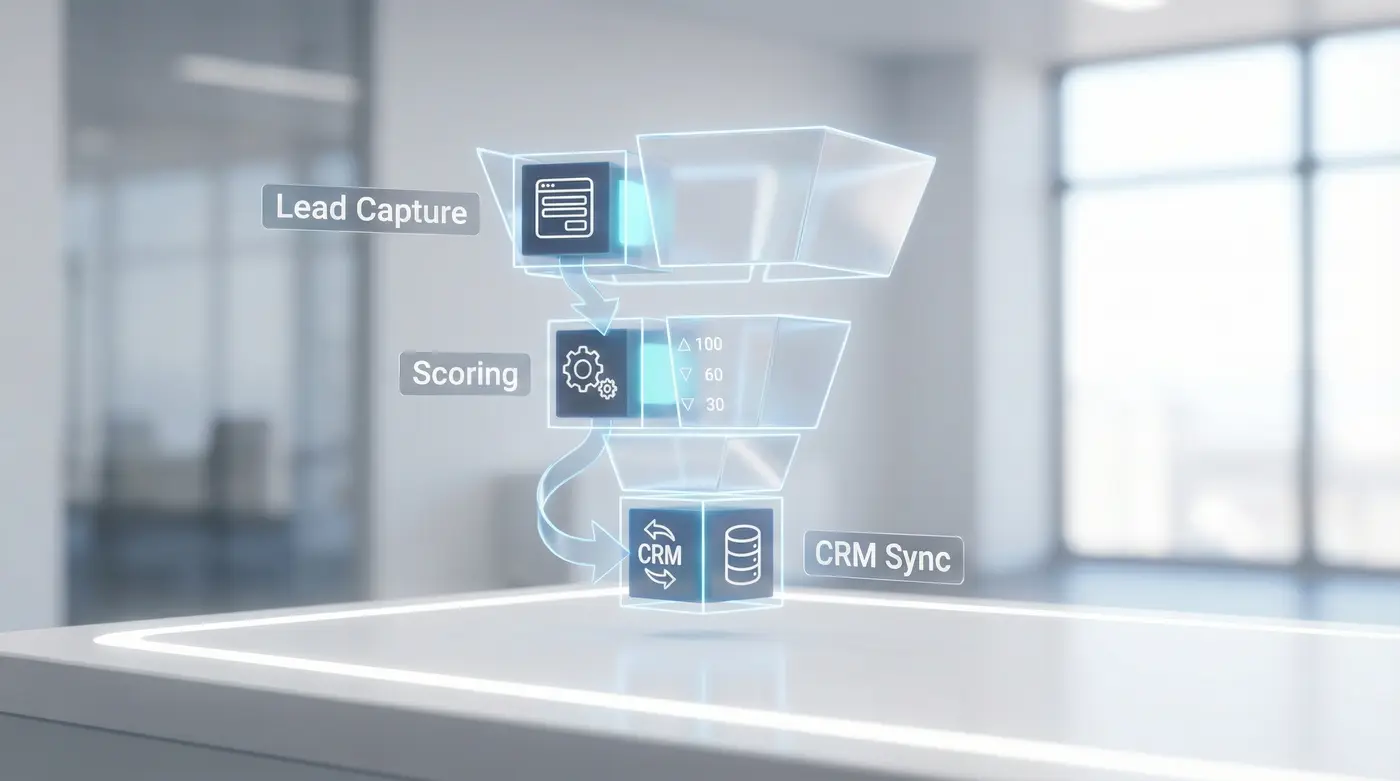
The foundation of any successful automated funnel begins with sophisticated lead capture mechanisms. Modern lead capture goes far beyond simple contact forms. It includes dynamic landing pages that adapt based on traffic source, behavioral triggers that identify high-intent prospects, and lead magnets that provide immediate value while collecting qualification data.
Advanced lead scoring algorithms analyze multiple data points including website behavior, email engagement, social media interactions, and demographic information. This automation for small businesses ensures that sales teams focus their energy on the most promising opportunities while nurturing other prospects through automated sequences.
Multi-Channel Nurturing Sequences
Email marketing automation remains a cornerstone of effective funnel systems, but modern approaches integrate multiple channels for maximum impact. Successful funnels coordinate email sequences with social media retargeting, direct mail, phone outreach, and personalized video messages.
Each touchpoint builds upon previous interactions, creating a cohesive narrative that guides prospects toward purchase decisions. The key is maintaining message consistency while adapting content format and timing to match individual preferences and engagement patterns.
CRM Integration and Data Management
Seamless CRM integration ensures that every interaction is captured, analyzed, and used to optimize future communications. Modern CRM systems powered by artificial intelligence can predict the best times to reach prospects, recommend optimal message content, and identify when human intervention will be most effective.
Data hygiene and management protocols ensure that automation systems have accurate information to work with. Clean, well-organized data enables sophisticated segmentation strategies that dramatically improve conversion rates while reducing marketing waste.
Step-by-Step Playbook for Building Automated Sales Funnels
Creating effective automated sales funnels requires systematic planning and execution. This playbook provides a framework that has helped numerous businesses double their growth within 12 months.
Stage 1: Awareness and Lead Generation
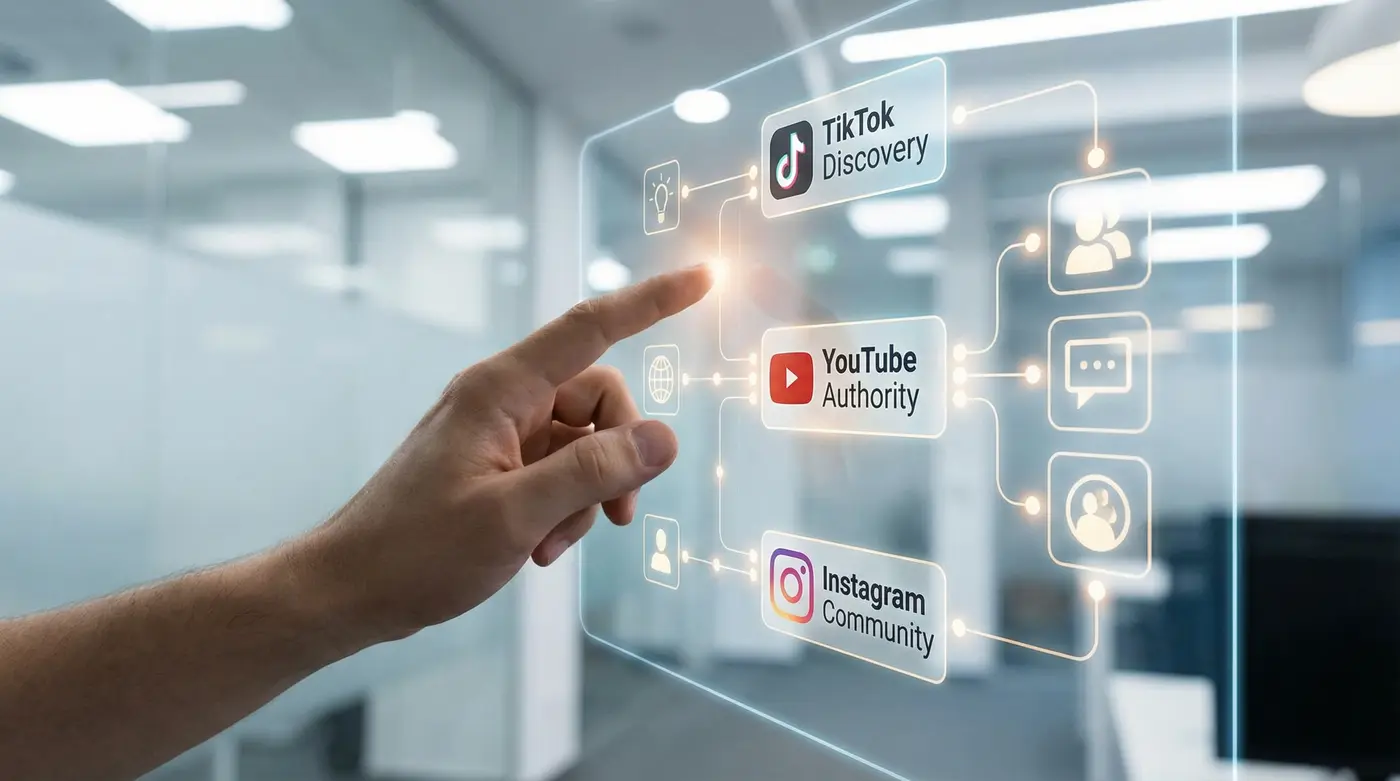
The awareness stage focuses on attracting qualified prospects through multiple channels. Successful strategies combine content marketing, paid advertising, social media engagement, and search engine optimization to create a steady flow of potential customers.
Content marketing automation tools schedule and distribute valuable resources across platforms while tracking engagement metrics. Blog posts, videos, podcasts, and social media content work together to establish authority and attract prospects who match ideal customer profiles.
Paid advertising campaigns use sophisticated targeting to reach prospects at optimal moments in their buying journey. Retargeting pixels capture website visitors for future engagement, while lookalike audiences expand reach to similar high-value prospects.
Stage 2: Interest and Engagement
Once prospects enter the funnel, automated systems begin building relationships through valuable content and personalized communications. Lead magnets such as industry reports, exclusive webinars, or consultation offers provide immediate value while advancing prospects to the next stage.
Behavioral triggers activate specific sequences based on prospect actions. Someone who downloads a pricing guide receives different follow-up content than someone who watches product demonstration videos. This level of personalization significantly improves engagement rates and conversion potential.
Stage 3: Desire and Consideration
The consideration stage leverages social proof, case studies, and personalized demonstrations to build desire and address potential objections. Automated systems deliver testimonials from similar clients, schedule product demonstrations, and provide detailed information that supports purchase decisions.
Advanced segmentation ensures that prospects receive relevant examples and use cases. A luxury real estate firm receives different case studies than a financial services company, even though both may be interested in the same core service.
Stage 4: Action and Conversion
The conversion stage removes friction and makes purchasing decisions as simple as possible. Automated proposal generation, electronic signature systems, and streamlined onboarding processes reduce the time between decision and implementation.
Real-time alerts notify sales teams when prospects take high-intent actions, enabling immediate human intervention when it will be most effective. This combination of automation efficiency with human expertise maximizes conversion rates.
Essential Technology Stack for Modern Sales Automation
Building effective automated sales funnels requires the right combination of technology tools that work seamlessly together. The modern sales automation stack includes several categories of platforms that handle different aspects of the customer journey.
Customer Relationship Management (CRM) Platforms
Advanced CRM systems serve as the central hub for all customer data and interactions. Leading platforms like HubSpot, Salesforce, and Pipedrive offer built-in automation capabilities, artificial intelligence features, and extensive integration options that support sophisticated funnel operations.
Modern CRMs go beyond contact management to provide predictive analytics, automated task creation, and intelligent lead routing. These features ensure that prospects receive appropriate attention at optimal times while sales teams focus on high-value activities.
Marketing Automation Platforms
Dedicated marketing automation tools handle complex, multi-channel campaigns that nurture prospects over extended periods. Platforms like Marketo, ActiveCampaign, and Drip specialize in behavioral trigger campaigns, advanced segmentation, and cross-channel orchestration.
These systems excel at managing long-term nurturing sequences that maintain engagement with prospects who are not yet ready to purchase. They also provide sophisticated analytics that identify the most effective content and timing strategies.
Sales Engagement Tools
Sales engagement platforms automate outreach activities while maintaining personalization and authenticity. Tools like Outreach, Salesloft, and Reply.io handle email sequences, call scheduling, and social media engagement according to predetermined cadences.
These platforms integrate with CRM systems to ensure that all activities are tracked and analyzed. They also provide coaching features that help sales teams improve their effectiveness over time.
Analytics and Optimization Tools
Comprehensive analytics platforms provide the insights needed for continuous optimization. Tools like Google Analytics, Mixpanel, and specialized funnel analytics platforms track prospect behavior across all touchpoints and identify optimization opportunities.
Advanced attribution modeling helps businesses understand which marketing activities drive the most valuable customers. This information guides budget allocation and strategy refinement for maximum return on investment.
Leveraging AI for Personalization at Scale
Artificial intelligence has transformed what is possible with automated sales funnels. Modern AI systems can analyze vast amounts of data to predict prospect behavior, recommend optimal actions, and personalize communications in ways that were previously impossible.
Predictive Lead Scoring
AI-powered lead scoring analyzes hundreds of data points to predict which prospects are most likely to convert. These systems consider demographic information, behavioral patterns, engagement history, and external data sources to create accurate probability scores. AI systems enhance this process.
Predictive scoring enables sales teams to prioritize their efforts effectively while ensuring that marketing automation systems deliver appropriate content to prospects based on their conversion likelihood.
Dynamic Content Personalization
Advanced personalization engines create unique experiences for each prospect based on their interests, behavior, and stage in the buying journey. Email content, website experiences, and advertising messages adapt automatically to match individual preferences.
This level of personalization dramatically improves engagement rates and conversion potential while reducing the manual effort required to create targeted campaigns.
Conversational AI and Chatbots
Intelligent chatbots handle initial prospect inquiries, qualify leads, and schedule appointments without human intervention. Modern conversational AI systems understand context, handle complex questions, and seamlessly transfer qualified prospects to human sales representatives.
These systems operate 24/7, ensuring that prospects receive immediate responses regardless of when they engage. They also capture valuable qualification information that helps sales teams prepare for more effective conversations.
Sales Funnel Optimization Tips for Maximum Performance
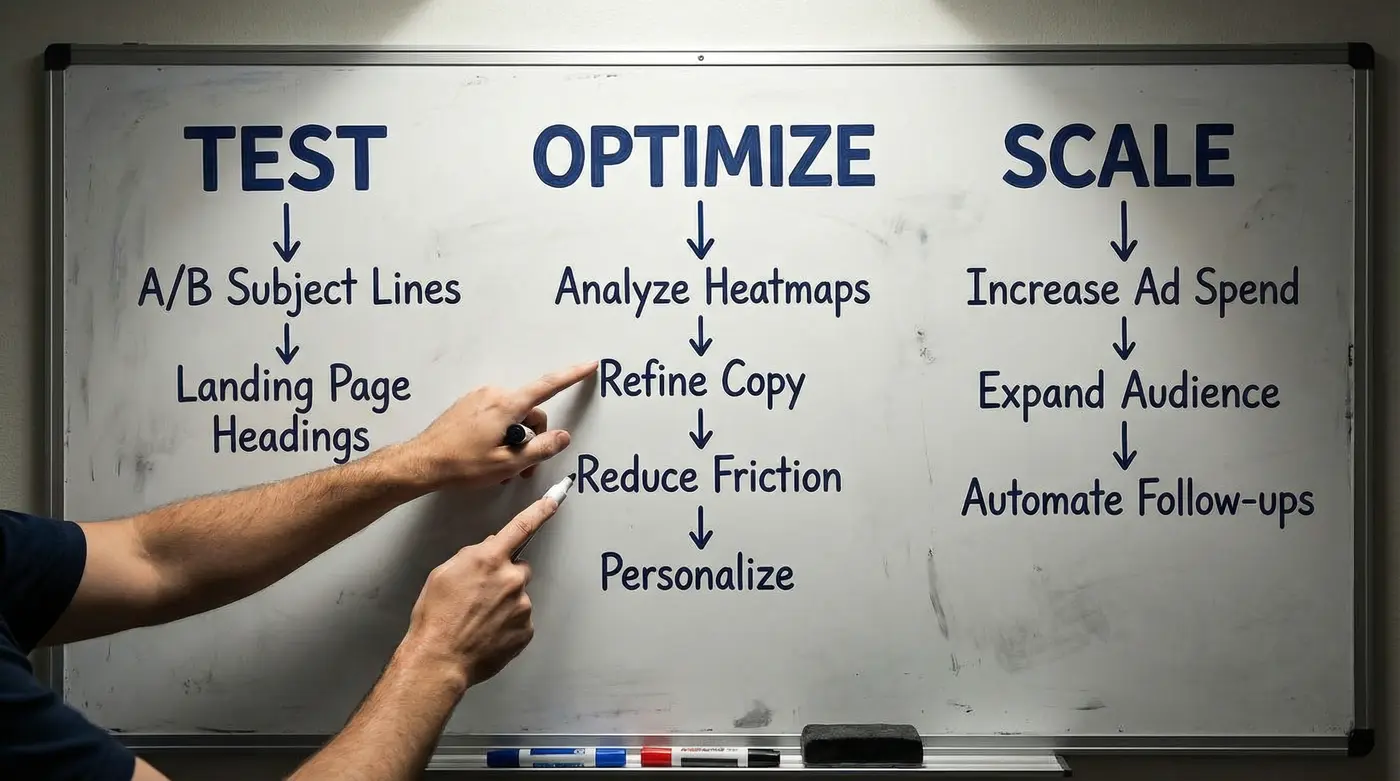
Building automated sales funnels is only the beginning. Continuous optimization based on data analysis and testing is essential for achieving maximum performance and return on investment.
Systematic A/B Testing
Effective sales funnel optimization tips always include systematic testing of key elements. Subject lines, call-to-action buttons, landing page designs, and email content should be tested regularly to identify improvements.
Testing should focus on one variable at a time to ensure clear results. Statistical significance requirements prevent false conclusions, while testing calendars ensure that optimization efforts remain systematic and comprehensive.
Conversion Rate Analysis
Detailed analysis of conversion rates at each funnel stage identifies specific areas for improvement. Low email open rates suggest subject line problems, while high email engagement but low landing page conversions indicate website optimization opportunities.
Cohort analysis reveals how different prospect segments perform over time, enabling more sophisticated segmentation and personalization strategies.
Customer Journey Mapping
Regular customer journey mapping exercises ensure that automated systems reflect actual prospect behavior and preferences. These exercises often reveal gaps in the automation sequence or opportunities for additional touchpoints.
Journey maps should include both digital and offline interactions to provide a complete picture of the customer experience. This comprehensive view enables more effective automation strategies.
Avoiding Common Automation Pitfalls
While automated sales funnels offer tremendous opportunities, several common mistakes can undermine their effectiveness. Understanding these pitfalls helps businesses implement more successful automation strategies.
Over-Automation and Loss of Human Touch
The most successful automated funnels balance efficiency with authentic human connections. Over-automation can make interactions feel impersonal and damage relationships with high-value prospects.
Strategic human intervention at key moments maintains relationship quality while leveraging automation for efficiency. Sales teams should focus on high-value interactions while automation handles routine tasks. Business automation consultants help companies establish this balance.
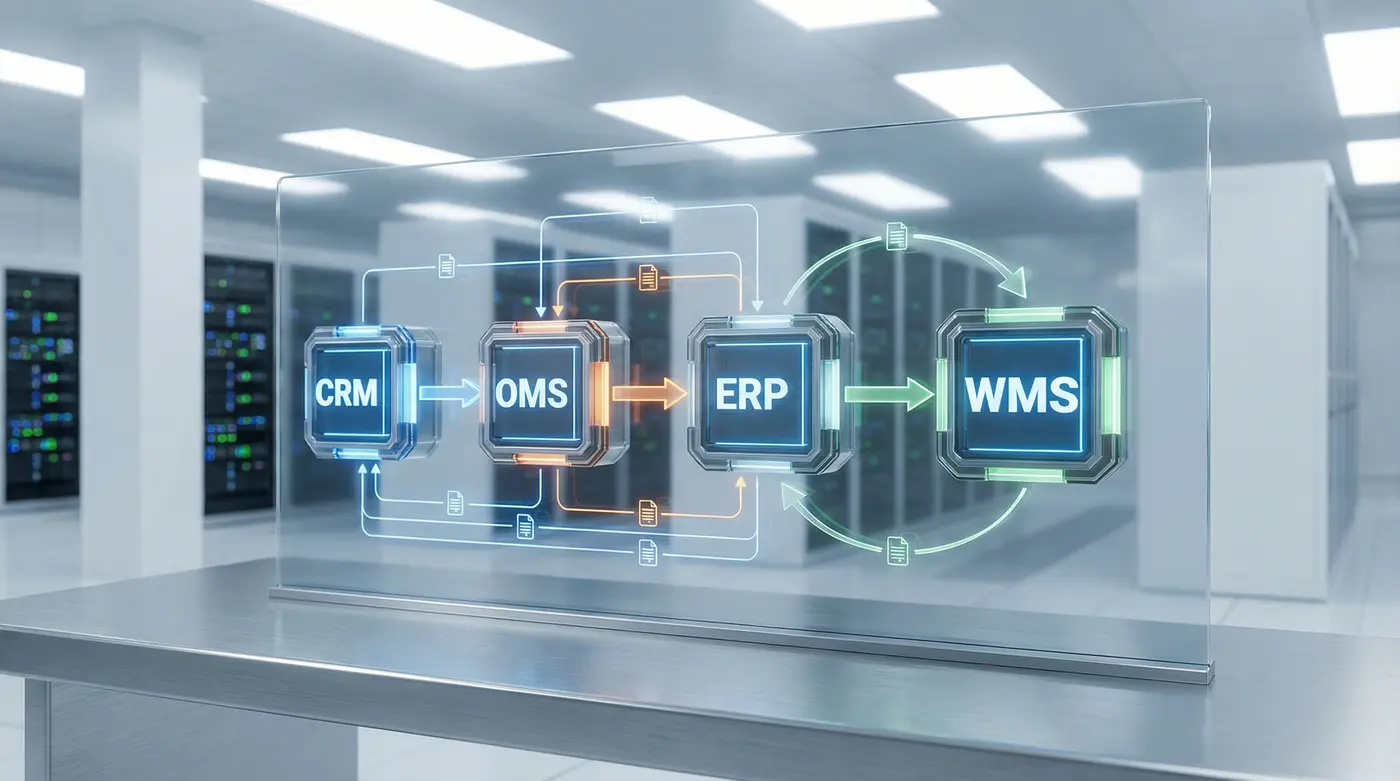
Data Silos and Integration Challenges
Poor integration between systems creates data silos that limit automation effectiveness. Prospects may receive duplicate communications or inconsistent messages when systems do not share information properly.
Comprehensive integration planning ensures that all systems work together seamlessly. Regular data audits identify and resolve integration issues before they impact prospect experiences.
Compliance and Privacy Considerations
Automated systems must comply with privacy regulations and industry standards. GDPR, CCPA, and other privacy laws require specific consent mechanisms and data handling procedures.
Regular compliance reviews ensure that automation systems meet all legal requirements while maintaining prospect trust and confidence.
Case Studies: Real-World Success Stories
Understanding how other businesses have successfully implemented automated sales funnels provides valuable insights and inspiration for your own implementation.
Luxury Real Estate Success Story
A luxury real estate firm implemented a comprehensive automated funnel that nurtures high-net-worth prospects over extended periods. The system combines market reports, property alerts, and personalized communications to maintain engagement with prospects who may not purchase for months or years.
The automated system identifies when prospects are actively searching and alerts agents to provide immediate, personalized attention. This approach resulted in a 150% increase in qualified leads and a 200% improvement in conversion rates.
Financial Services Transformation
A financial advisory firm used automated funnels to scale their practice while maintaining personal service quality. The system segments prospects based on asset levels and investment interests, delivering appropriate educational content and scheduling consultations with suitable advisors.
Automated nurturing sequences maintain engagement between meetings while ensuring that prospects receive relevant market insights and planning tips. The firm doubled their client acquisition rate while reducing marketing costs by 40%.
Getting Started: Assessment and Implementation Strategy
Successful automated sales funnel implementation requires careful planning and systematic execution. This framework helps businesses assess their readiness and develop effective implementation strategies.
Readiness Assessment
Before implementing automation, businesses should evaluate their current systems, data quality, and team capabilities. Key assessment areas include CRM functionality, data cleanliness, content availability, and team training needs.
Readiness assessment also includes goal setting and success metrics definition. Clear objectives guide implementation decisions and provide benchmarks for measuring progress.
Phased Implementation Approach
Most successful implementations follow a phased approach that builds complexity gradually. Initial phases focus on basic automation and data integration, while later phases add advanced features and sophisticated personalization.
This approach allows teams to learn and adapt while minimizing disruption to existing operations. It also enables earlier return on investment as basic automation begins generating results. AI automation systems can support this phased rollout.
Choosing Implementation Partners
Many businesses benefit from partnering with specialized agencies that provide done-for-you implementation services. Experienced partners bring proven methodologies, technical expertise, and industry best practices that accelerate implementation and improve results.
When evaluating potential partners, consider their experience with similar businesses, technology expertise, and approach to collaboration. The best partnerships combine agency expertise with internal knowledge to create customized solutions.
Measuring Success and Scaling Results
Effective measurement systems ensure that automated sales funnels deliver expected results and identify opportunities for further improvement. Key metrics should align with business objectives and provide actionable insights.
Essential Performance Metrics
Critical metrics include lead generation volume, conversion rates at each funnel stage, customer acquisition costs, and lifetime value. These metrics provide a comprehensive view of funnel performance and return on investment.
Advanced metrics such as engagement scores, lead velocity, and predictive conversion probability provide deeper insights into funnel effectiveness and optimization opportunities.
Scaling Successful Systems
Once automated funnels prove effective, scaling strategies can multiply results. Scaling may involve expanding to new market segments, adding additional communication channels, or increasing advertising investment.
Successful scaling maintains quality while increasing volume. This requires careful attention to system capacity, team capabilities, and customer experience consistency.
Ready to transform your business with automated sales funnels that drive predictable, scalable growth? Contact our team to schedule a comprehensive funnel assessment and discover how our done-for-you implementation services can help you double your revenue within 12 months. Our proven methodologies and expert execution take the complexity out of automation while delivering measurable results that accelerate your business growth.