Creating Digital Products That Scale: AI, Accessibility, and Omnichannel Strategies for Modern Brands
The landscape of creating digital products has evolved dramatically, driven by artificial intelligence innovations, accessibility requirements, and the growing demand for seamless omnichannel experiences. Brands that successfully navigate these changes are positioning themselves for unprecedented growth and market leadership.
Whether you’re a D2C brand, service provider, or digital agency, understanding these emerging trends isn’t just beneficial, it’s essential for survival in an increasingly competitive marketplace. The brands that thrive will be those that embrace accessibility as innovation, leverage AI for personalization at scale, and create truly integrated customer experiences across all touchpoints.
Digital Accessibility: From Compliance to Competitive Advantage
The European Accessibility Act (EAA) implementation represents more than regulatory compliance. Forward-thinking brands are discovering that accessibility-first design principles unlock innovation opportunities and expand market reach significantly.
When creating digital products with accessibility as a core foundation, brands experience improved user experiences for all customers, not just those with disabilities. This approach often leads to cleaner code, faster loading times, and more intuitive navigation structures that benefit every user interaction.
Consider how voice navigation features, originally designed for visually impaired users, now serve busy professionals who need hands-free interaction with digital products. Similarly, high-contrast design elements improve readability in bright sunlight for mobile users, expanding your product’s usability across diverse environments.
The key lies in fostering close collaboration between experience designers and engineers throughout the development process. This partnership ensures accessibility considerations are woven into the product fabric rather than added as afterthoughts, resulting in more innovative and inclusive solutions.

Democratizing Product Creation Through No-Code and AI Integration
The fusion of no-code platforms and AI integration is revolutionizing how teams approach creating digital products. Platforms like Glide and Adalo now offer sophisticated AI-powered features including natural language processing, predictive analytics, and automated customer engagement tools.
This democratization means marketing teams and non-technical founders can rapidly prototype, test, and launch sophisticated digital products without extensive development resources. The speed-to-market advantages are substantial, allowing businesses to validate concepts quickly and iterate based on real user feedback.
For established brands, these tools enable rapid experimentation with new product features and customer touchpoints. Marketing teams can create interactive lead magnets, automated customer service tools, and personalized product configurators without waiting for development cycles.
The strategic advantage extends beyond speed. No-code platforms integrated with AI allow for continuous optimization based on user behavior patterns, automatically adjusting interfaces and flows to improve conversion rates and user satisfaction.
AI-Driven Personalization: Beyond Basic Recommendations
Modern consumers, particularly Gen Z and digital-first audiences, expect hyper-personalized experiences at every touchpoint. AI-driven personalization has evolved far beyond simple product recommendations to encompass dynamic content creation, predictive customer service, and adaptive user interfaces.
Advanced CRM systems now leverage generative AI to create personalized email marketing strategies that adapt content, timing, and frequency based on individual customer behavior patterns. This level of personalization drives significantly higher engagement rates and customer lifetime value.
The most successful implementations combine first-party data collection with AI analytics to predict customer needs before they’re explicitly expressed. This might involve automatically adjusting product features based on usage patterns or proactively offering support resources when user behavior indicates potential friction points.
Business automation tools powered by AI can now handle complex customer interactions, freeing human teams to focus on high-value relationship building and strategic decision making. This creates a scalable foundation for growth while maintaining the personal touch that drives customer loyalty.
Omnichannel Excellence: Bridging Digital and Physical Experiences
The evolution of omnichannel marketing extends beyond maintaining consistent branding across platforms. Today’s most successful brands create truly integrated experiences where each touchpoint enhances and informs the others.
Augmented reality features allow customers to visualize products in their own environments before purchase, while live video commerce combines the immediacy of in-person sales with the convenience of digital shopping. These “phygital” experiences reduce purchase hesitation and increase customer confidence.
Unified loyalty programs that seamlessly track and reward customer behavior across digital and physical touchpoints create powerful retention mechanisms. When a customer’s in-store purchase influences their online recommendations, or their app usage unlocks exclusive in-person experiences, the brand becomes integral to their lifestyle rather than just another vendor.
The technical foundation for these experiences requires robust data integration and real-time synchronization across all customer touchpoints. Brands investing in this infrastructure now will have significant advantages as consumer expectations continue evolving.
Maximizing Owned Channels and First-Party Data
Privacy regulations and the deprecation of third-party cookies make owned channel development critical for sustainable growth. Creating digital products that encourage direct customer relationships protects brands from platform dependency while providing richer data insights.
Effective email marketing strategies now incorporate interactive elements like polls, quizzes, and personalized product configurators that provide value while collecting valuable customer preference data. These touchpoints create engagement opportunities that strengthen customer relationships while informing product development decisions.
SMS marketing, when properly integrated with other channels, provides immediate, personal communication that drives action. The key lies in creating automated sequences that feel genuinely helpful rather than intrusive, using customer behavior and preferences to determine optimal timing and content.
Mobile apps offer the deepest level of customer relationship building, providing personalized experiences, exclusive content, and convenient access to products and services. When apps become genuinely useful tools in customers’ daily lives, they create strong barriers to competitor switching.
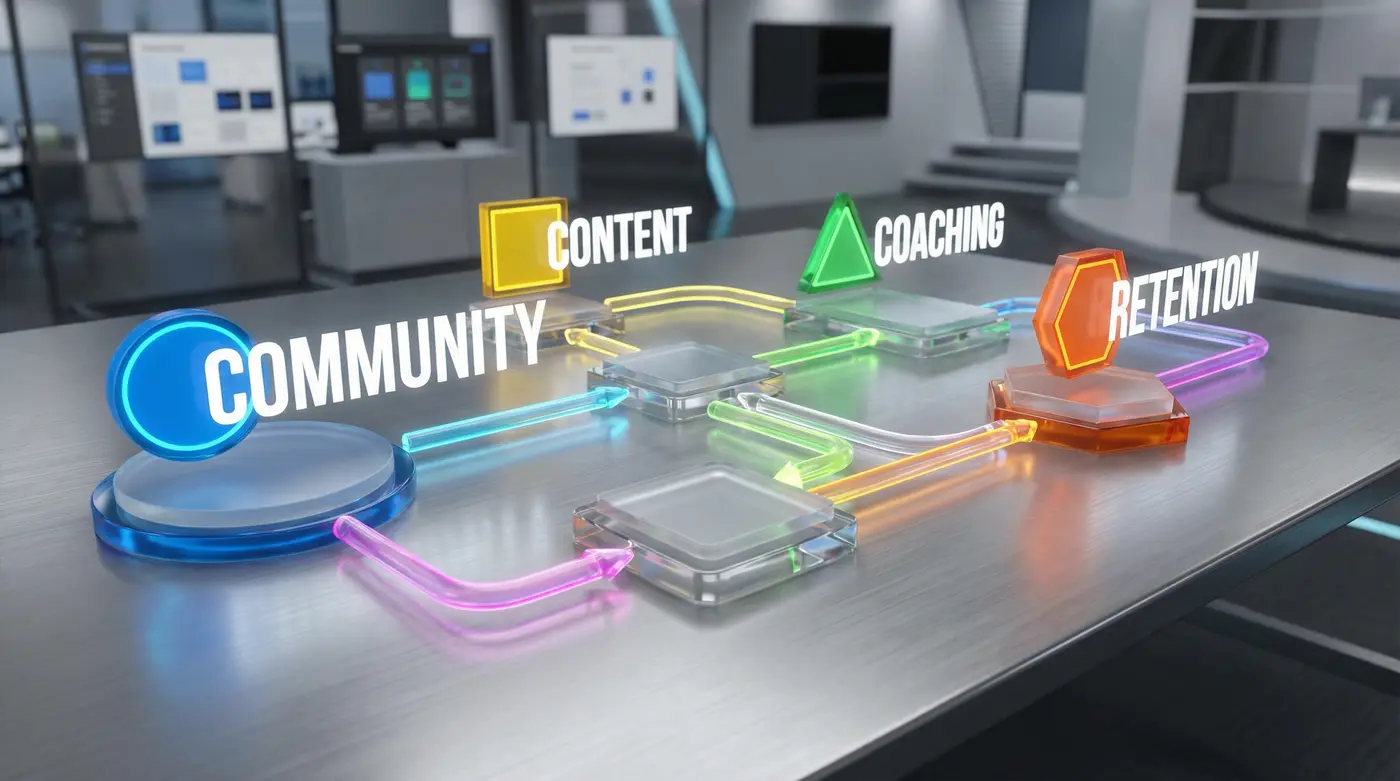
Subscription Models and Community-Driven Growth
Recurring revenue models provide predictable growth foundations while creating opportunities for deeper customer relationships. However, successful subscription offerings require continuous value delivery and community building to maintain long-term engagement.
The most effective subscription strategies combine product access with exclusive community features, educational content, and personalized support. This approach transforms customers into advocates who actively promote the brand within their networks.
User-generated content programs leverage customer creativity and enthusiasm to create authentic marketing materials while strengthening community bonds. When customers become co-creators, their investment in the brand’s success increases significantly.
Referral programs integrated into the product experience can drive substantial growth when designed thoughtfully. The key lies in making referrals feel natural and rewarding for both parties, rather than forced or transactional.
Implementation Strategies for Scalable Growth
Successfully implementing these trends requires a systematic approach that balances innovation with practical execution. Start by auditing your current digital products and customer touchpoints to identify the highest-impact improvement opportunities.
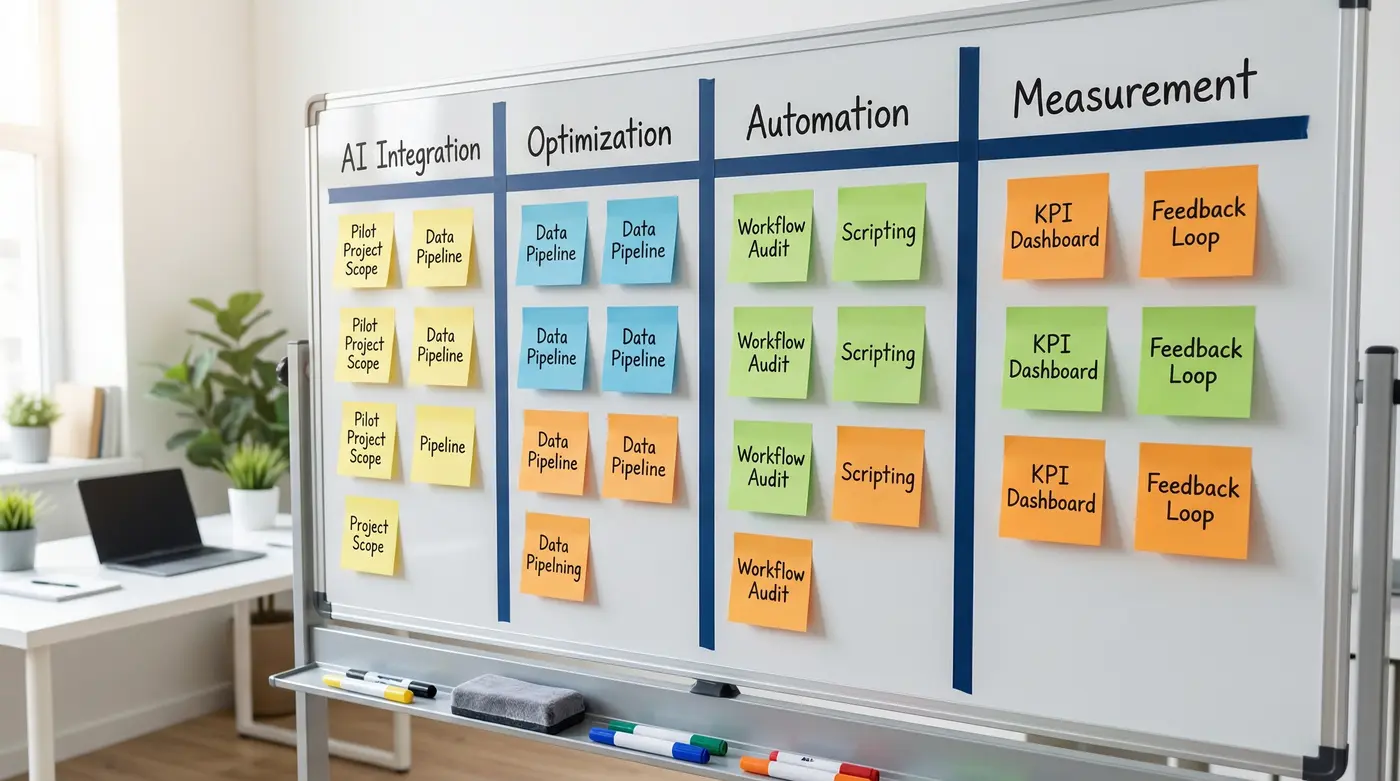
Collaborative design-engineering processes ensure accessibility and AI features are integrated effectively rather than bolted on afterward. This approach typically results in more elegant solutions and faster implementation timelines.
AI-powered content creation tools can dramatically improve marketing efficiency when properly integrated with your brand voice and customer data. Focus on tools that enhance human creativity rather than replacing it entirely.
Funnel optimization becomes more sophisticated when powered by AI analytics that identify subtle patterns in customer behavior. These insights enable precise adjustments that compound over time for significant performance improvements.
Marketing automation systems should be designed to feel personal and helpful rather than robotic. The goal is creating experiences that customers appreciate receiving, which requires careful attention to timing, frequency, and content relevance.
Measuring Success and Optimizing Performance
The complexity of modern digital products requires sophisticated measurement approaches that go beyond basic conversion metrics. Customer lifetime value, engagement depth, and advocacy rates provide clearer pictures of long-term success.
A/B testing capabilities built into your digital products enable continuous optimization based on real user behavior rather than assumptions. This data-driven approach ensures resources are invested in improvements that actually drive results.
Cross-channel attribution becomes critical when customers interact with multiple touchpoints before converting. Understanding these journey patterns enables more effective resource allocation and customer experience optimization.
Regular accessibility audits ensure your products remain inclusive as they evolve, protecting both compliance and user experience quality. These reviews often reveal optimization opportunities that benefit all users.
Future-Proofing Your Digital Product Strategy
The trends shaping digital product creation will continue evolving rapidly. Building adaptable foundations now enables quick pivots when new opportunities or requirements emerge.
Investing in team capabilities around AI integration, accessibility design, and omnichannel orchestration provides competitive advantages that compound over time. These skills become increasingly valuable as the marketplace becomes more sophisticated.
Partnership opportunities with technology providers, accessibility consultants, and customer experience specialists can accelerate implementation while reducing internal resource requirements.
The brands that successfully navigate this evolving landscape will be those that view these trends not as separate initiatives, but as interconnected elements of a comprehensive customer-centric strategy.
Taking Action: Your Next Steps
Creating digital products that leverage these emerging trends requires strategic planning and expert execution. The complexity of integrating AI, accessibility, omnichannel experiences, and automation systems can seem overwhelming, but the competitive advantages are substantial for brands that execute effectively.
If you’re ready to transform your digital product strategy and implement these growth-driving trends, partnering with experienced professionals can accelerate your timeline and ensure optimal results. The investment in professional guidance often pays for itself through faster implementation and superior outcomes.
Ready to explore how these trends can drive measurable growth for your business? Schedule a consultation to discuss your specific goals and learn how expert implementation can maximize your digital product success.