The Complete Guide to Growing Your Online Business: Proven Strategies for Scalable, Sustainable Success
Why Growing Your Online Business Requires More Than Just Traffic
In today’s competitive digital landscape, the ability to grow your online business sustainably has become the ultimate differentiator between thriving enterprises and those that plateau or fail. With customer acquisition costs rising by over 222% in the past decade and market saturation reaching new heights, businesses need sophisticated, multi-faceted approaches to achieve meaningful growth.
For established businesses generating $500K to $10M in revenue, the challenge isn’t just about attracting more visitors. It’s about building systems that can scale efficiently, retain customers profitably, and adapt to rapidly changing market conditions without creating operational chaos.
The Foundation: Multi-Channel Expansion Strategy
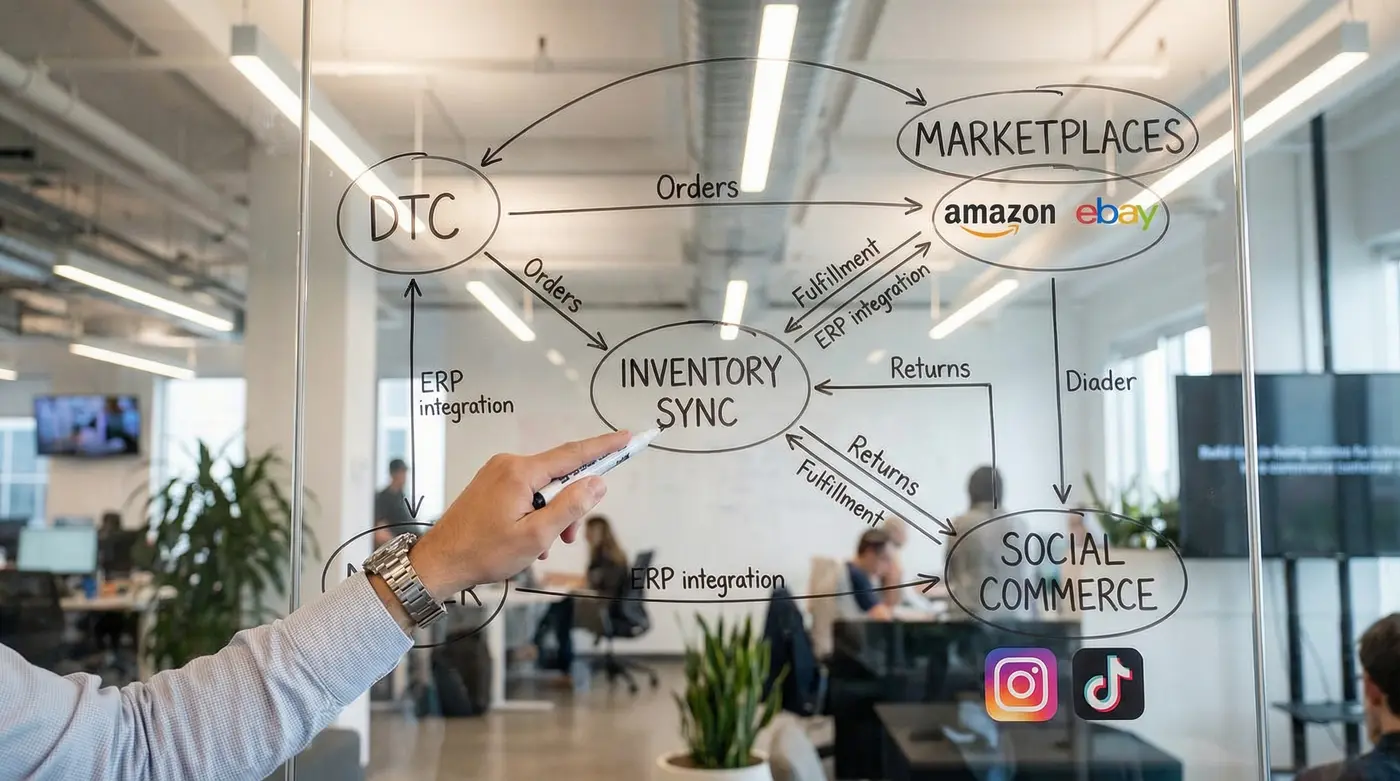
To effectively grow your online business, embracing multi-channel expansion is no longer optional. Companies that rely on a single sales channel expose themselves to unnecessary risk and limit their revenue potential. The most successful online businesses diversify across multiple touchpoints including direct-to-consumer websites, marketplaces like Amazon and eBay, social commerce platforms such as TikTok Shop and Instagram Shopping, and emerging channels.
This multi-channel approach serves three critical purposes. First, it reduces dependency risk by ensuring your business isn’t vulnerable to algorithm changes or policy shifts on any single platform. Second, it expands your total addressable market by reaching customers where they prefer to shop. Third, it creates multiple data streams that provide deeper insights into customer behavior and preferences.
However, multi-channel selling introduces complexity that must be managed strategically. Without proper systems in place, businesses often find themselves overwhelmed by inventory management challenges, inconsistent customer experiences, and operational inefficiencies that erode the benefits of expansion.
Avoiding Operational Chaos Through Strategic Automation
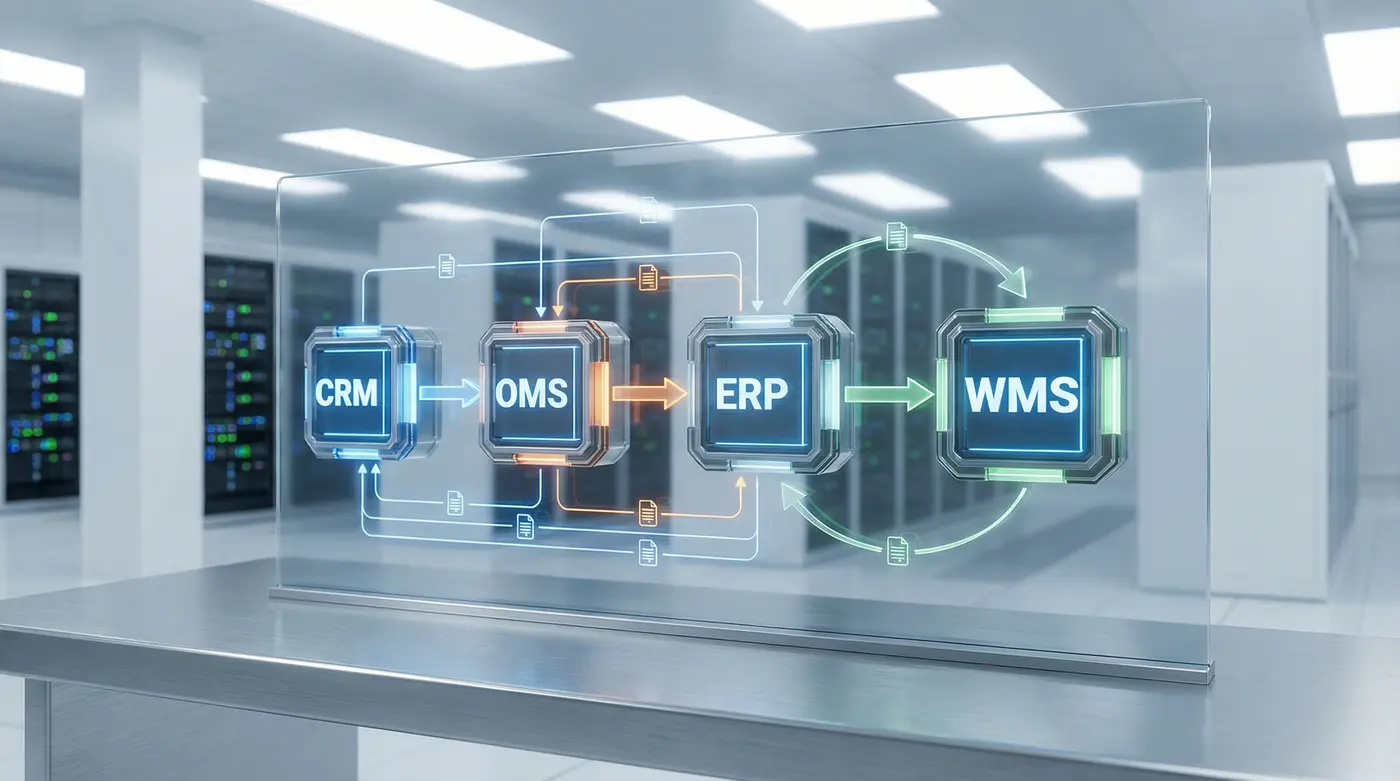
As you grow your online business across multiple channels, automation becomes the backbone that prevents chaos and enables scalability. The key lies in implementing integrated technology stacks that work together seamlessly rather than creating fragmented systems that require manual intervention.
Product Information Management (PIM) systems centralize your product catalog and automatically synchronize listings across all sales channels. This ensures consistency in product descriptions, pricing, and availability while dramatically reducing the time required to manage multiple storefronts.
Inventory and Order Management Systems provide real-time visibility into stock levels across all channels and automatically route orders to the most efficient fulfillment locations. These systems prevent overselling, reduce shipping costs, and improve delivery times by intelligently managing your supply chain.
Warehouse Management Systems streamline your fulfillment operations through mobile workflows, barcode scanning, and automated picking routes. This reduces labor costs, minimizes errors, and increases throughput capacity as order volumes grow.
Multi-carrier shipping software automates rate shopping, label printing, and tracking updates across all sales channels. This not only reduces shipping costs but also provides customers with consistent delivery experiences regardless of where they place their orders.
Direct-to-Consumer Acceleration for Maximum Control
While marketplace sales provide reach and convenience, building a strong direct-to-consumer (DTC) channel is essential for businesses serious about long-term growth. DTC sales typically generate 2-3x higher profit margins compared to marketplace transactions, while also providing complete control over the customer experience and valuable first-party data.
Successful DTC strategies focus on creating compelling brand experiences that differentiate from generic marketplace offerings. This includes personalized product recommendations, exclusive offerings, superior customer service, and community-building initiatives that foster emotional connections with customers.
The most effective sales funnel strategies for DTC growth combine multiple touchpoints to guide prospects through awareness, consideration, and purchase stages. This might include content marketing that educates prospects, retargeting campaigns that re-engage website visitors, email sequences that nurture leads, and post-purchase flows that encourage repeat orders.
To maximize DTC success, implement omnichannel strategies that create seamless experiences across all customer touchpoints. Customers should be able to start their journey on social media, research on your website, make purchases through their preferred channel, and receive consistent support regardless of how they contact you.
Customer Growth Metrics That Drive Decision Making
To grow your online business effectively, you must track and optimize the metrics that directly impact sustainable growth. Customer Growth Rate measures the net increase in your customer base over specific periods, accounting for both new acquisitions and churn. This metric provides insight into whether your growth strategies are creating lasting expansion or merely replacing lost customers.
Customer Acquisition Cost (CAC) reveals the true cost of gaining new customers across all marketing channels. As acquisition costs continue rising, optimizing CAC becomes critical for maintaining profitability during growth phases. Track CAC by channel to identify your most efficient acquisition sources and allocate budget accordingly.
Customer Lifetime Value (LTV) indicates the total revenue you can expect from each customer relationship. The LTV to CAC ratio should ideally exceed 3:1 for sustainable growth. Improving LTV through retention strategies, upselling, and cross-selling often provides better ROI than focusing solely on acquisition.
Churn rate measures the percentage of customers who stop purchasing within specific timeframes. High churn rates can quickly erode growth progress, making retention strategies as important as acquisition efforts. Monitor churn patterns to identify at-risk customer segments and implement proactive retention campaigns.
Retention and Loyalty as Sustainable Growth Engines
The most profitable growth comes from repeat customers rather than constant acquisition. Research consistently shows that acquiring new customers costs 5-7 times more than retaining existing ones, while loyal customers typically spend 67% more than new customers over time.
Implement sophisticated loyalty programs that reward various customer behaviors beyond just purchases. Points for reviews, referrals, social media engagement, and milestone achievements create multiple touchpoints that strengthen customer relationships. The most effective loyalty programs offer experiential rewards and exclusive access rather than just discounts.
Subscription models provide predictable revenue streams while increasing customer lifetime value. Whether through product subscriptions, membership programs, or service packages, recurring revenue models create stronger customer relationships and more stable cash flow for reinvestment in growth initiatives.
Post-purchase experience optimization significantly impacts retention rates and referral generation. Implement automated sequences that provide order updates, delivery notifications, usage tips, and replenishment reminders. These touchpoints maintain engagement between purchases and demonstrate ongoing value.
AI-Driven Personalization and Marketing Automation
AI-driven marketing automation has become essential for businesses looking to grow your online business efficiently. Modern AI tools analyze customer behavior patterns, predict purchase intent, and automatically deliver personalized experiences at scale.
Predictive analytics identify customers most likely to make repeat purchases, upgrade to premium products, or churn within specific timeframes. This enables proactive outreach with targeted offers, retention campaigns, or upselling opportunities at optimal moments.
Dynamic content personalization adapts website experiences, email campaigns, and product recommendations based on individual customer data. This level of personalization can increase conversion rates by 10-15% while improving customer satisfaction and loyalty.
Automated segmentation continuously updates customer groups based on behavior, preferences, and lifecycle stages. This enables more relevant messaging and offers while reducing the manual effort required to maintain effective marketing campaigns.
Chatbots and conversational AI provide 24/7 customer support while capturing valuable data about customer needs and pain points. Advanced chatbots can handle complex queries, process orders, and escalate issues to human agents when necessary.
Leveraging Influencer Partnerships and Emerging Sales Channels
Influencer partnerships provide authentic endorsements that often convert better than traditional advertising, especially among younger demographics. Focus on micro-influencers with engaged audiences rather than mega-influencers with broad but less targeted reach. Authentic partnerships that align with your brand values typically generate better long-term results than purely transactional relationships.
Emerging platforms like TikTok Shop, Instagram Shopping, and live commerce present new opportunities to reach customers where they’re already spending time. These channels often have lower competition and higher engagement rates compared to established advertising platforms.
User-generated content campaigns encourage customers to share their experiences while providing authentic social proof for prospects. Implement hashtag campaigns, photo contests, and review incentives that generate content you can repurpose across marketing channels.
Affiliate programs extend your sales force by incentivizing partners to promote your products. Well-structured affiliate programs can significantly expand your reach while maintaining cost-effective customer acquisition.
Product-Led Growth and Referral Program Implementation
Product-led growth strategies allow potential customers to experience value before making purchase commitments. Free trials, freemium models, and money-back guarantees reduce purchase barriers while building confidence in your offerings.
Sample programs work particularly well for physical products, allowing customers to test quality and fit before full purchases. Digital products can offer limited-time access or feature-restricted versions that demonstrate value while encouraging upgrades.
Referral programs capitalize on word-of-mouth marketing, which remains one of the most trusted and cost-effective acquisition channels. Design referral incentives that benefit both referrers and new customers while ensuring the economics work for your business model.
Community building around your products creates network effects where customers become advocates and support resources for each other. Online communities, user forums, and social media groups foster engagement while reducing support costs.
Data-Driven Optimization for Continuous Improvement
Successful online business growth requires continuous optimization based on data insights rather than assumptions. Implement comprehensive analytics that track customer journeys across all touchpoints, identifying friction points and optimization opportunities.
A/B testing should be applied systematically across marketing campaigns, website experiences, and customer communications. Test elements like headlines, images, calls-to-action, pricing strategies, and offer structures to continuously improve performance.
Customer feedback loops provide qualitative insights that complement quantitative analytics. Regular surveys, review analysis, and support interaction data reveal customer needs and pain points that may not be apparent from behavioral data alone.
Cohort analysis tracks how different customer groups perform over time, revealing trends in retention, spending patterns, and lifetime value. This information guides product development, marketing strategies, and customer success initiatives.
Your 60-Day Implementation Roadmap
Days 1-20: Foundation Building
Begin by auditing your current systems and identifying integration opportunities. Implement or upgrade your PIM system to centralize product information. Connect your primary sales channels to unified inventory management. Set up basic automation for order processing and customer communications. Establish baseline metrics for customer acquisition, retention, and lifetime value.
Days 21-40: Channel Expansion and Automation
Launch additional sales channels starting with the most relevant to your target audience. Implement advanced order routing and fulfillment automation. Deploy AI-driven personalization for website visitors and email subscribers. Create your first automated retention campaigns and loyalty program structure. Begin testing different acquisition channels and measuring performance.
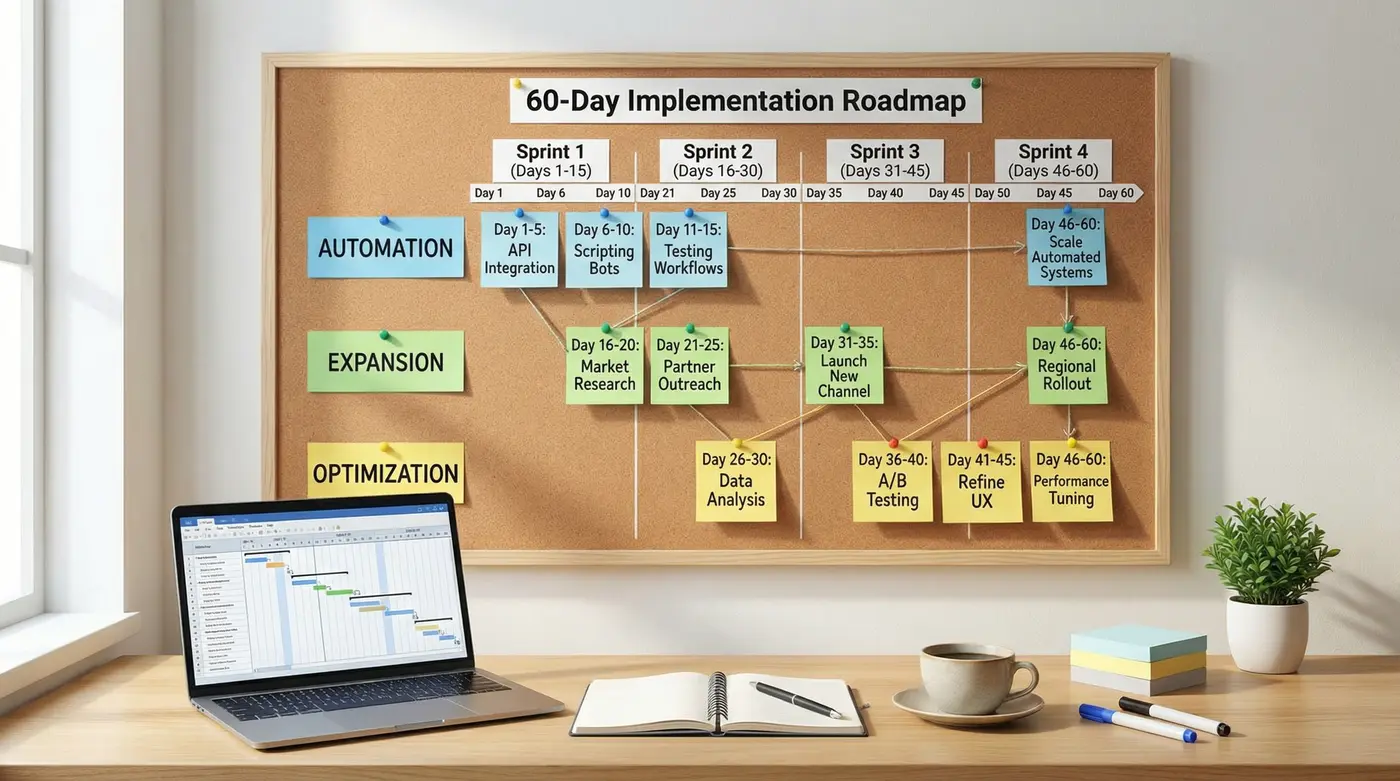
Days 41-60: Optimization and Scaling
Analyze performance data from the first 40 days and optimize underperforming elements. Expand successful channels and campaigns while pausing or adjusting ineffective ones. Implement advanced features like predictive analytics, dynamic pricing, and sophisticated segmentation. Create referral programs and community-building initiatives. Develop plans for international expansion or new product launches based on growth momentum.
Taking Action on Your Growth Journey
Growing your online business successfully requires combining strategic thinking with tactical execution. The businesses that thrive are those that implement systematic approaches to multi-channel expansion, customer retention, and operational efficiency while maintaining focus on measurable results.
Start by selecting 2-3 strategies that align with your current capabilities and market position. Implement these systematically while tracking key metrics and adjusting based on performance data. As you build momentum and confidence, gradually expand into additional channels and more sophisticated automation.
Remember that sustainable growth comes from creating genuine value for customers rather than just optimizing for short-term metrics. Focus on building systems that can scale with your business while maintaining the quality and consistency that customers expect.
If you’re ready to implement a comprehensive growth strategy for your online business but need expert guidance to ensure successful execution, consider partnering with specialists who understand both the strategic and tactical elements required for sustainable scaling. The right support can accelerate your timeline while helping you avoid costly mistakes that often derail growth initiatives.
The opportunity to grow your online business has never been greater, but neither has the complexity of doing it successfully. With the right strategies, systems, and support, you can build the scalable, profitable business you envision while creating lasting value for your customers and stakeholders.