How to Build an Online Course That Sells: Complete Guide to Creating Profitable Digital Education
The Rise of Online Education and Your Opportunity
The online education market is experiencing unprecedented growth, with projections reaching $1 trillion by 2030. For business owners and coaches, understanding how to build an online course has become essential for scaling revenue and establishing thought leadership. However, with increased competition and evolving learner expectations, creating a course that actually sells requires strategic planning and execution.
Building a successful online course isn’t about dumping information into modules and hoping for the best. It’s about crafting a transformation driven experience that delivers measurable outcomes while leveraging modern technology for automation and scale. This comprehensive guide will walk you through the proven strategies that separate profitable courses from the countless offerings that fail to gain traction.
Validate Your Course Idea Before You Build
The biggest mistake new course creators make is building first and validating later. Before investing months in content creation, you need to confirm real market demand for your expertise.
Start with targeted surveys sent to your existing audience. Ask specific questions about their biggest challenges, what outcomes they’re seeking, and how much they’d be willing to invest in a solution. Use tools like Google Forms or Typeform to gather this data systematically.
Pre sales campaigns offer another powerful validation method. Create a compelling sales page for your course concept and run it to a small audience. If people are willing to purchase before the course exists, you have strong validation. Consider offering an early bird discount to incentivize these pre sales while building your initial student base.
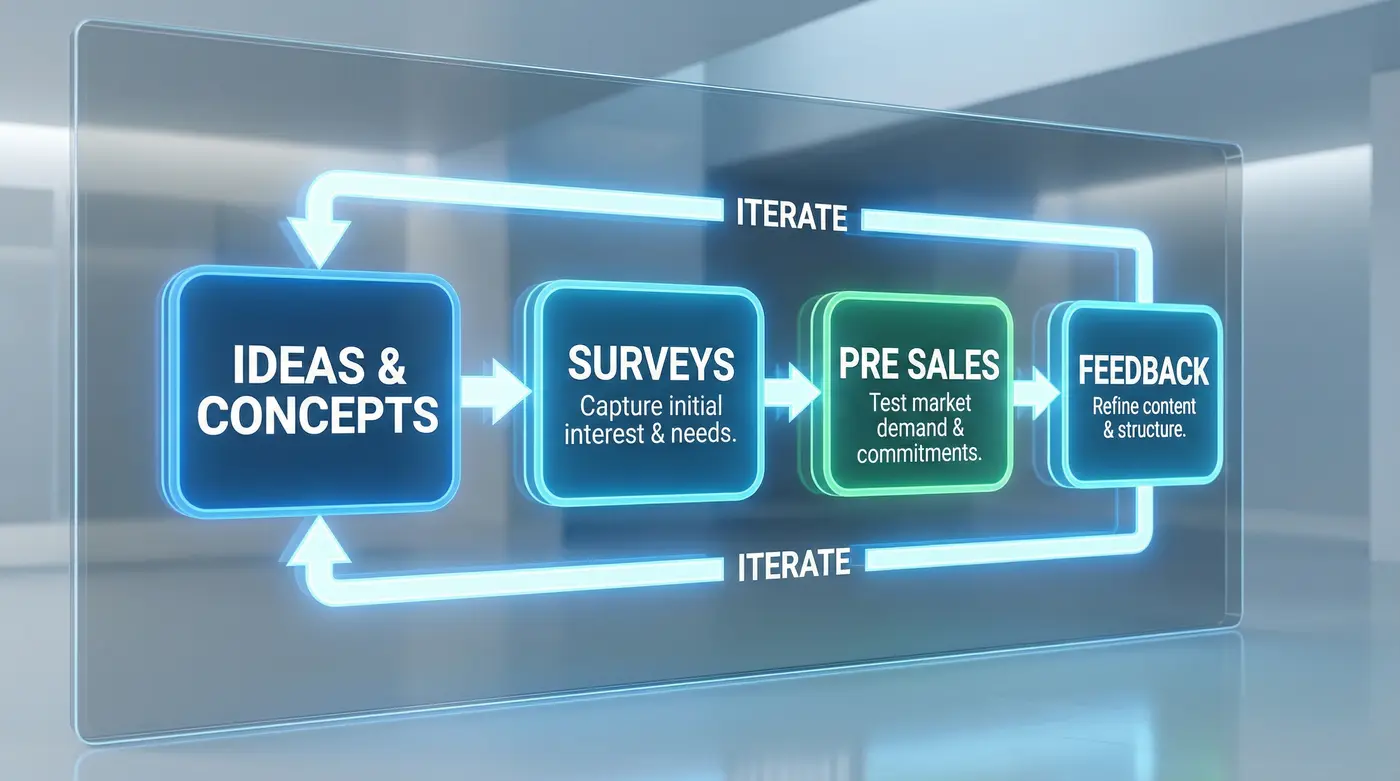
Community feedback provides invaluable insights. Join Facebook groups, LinkedIn communities, and industry forums where your target audience gathers. Share your course concept and observe the response. Pay attention to the questions people ask and the specific language they use to describe their problems.
Start With the End in Mind: Defining Clear Outcomes
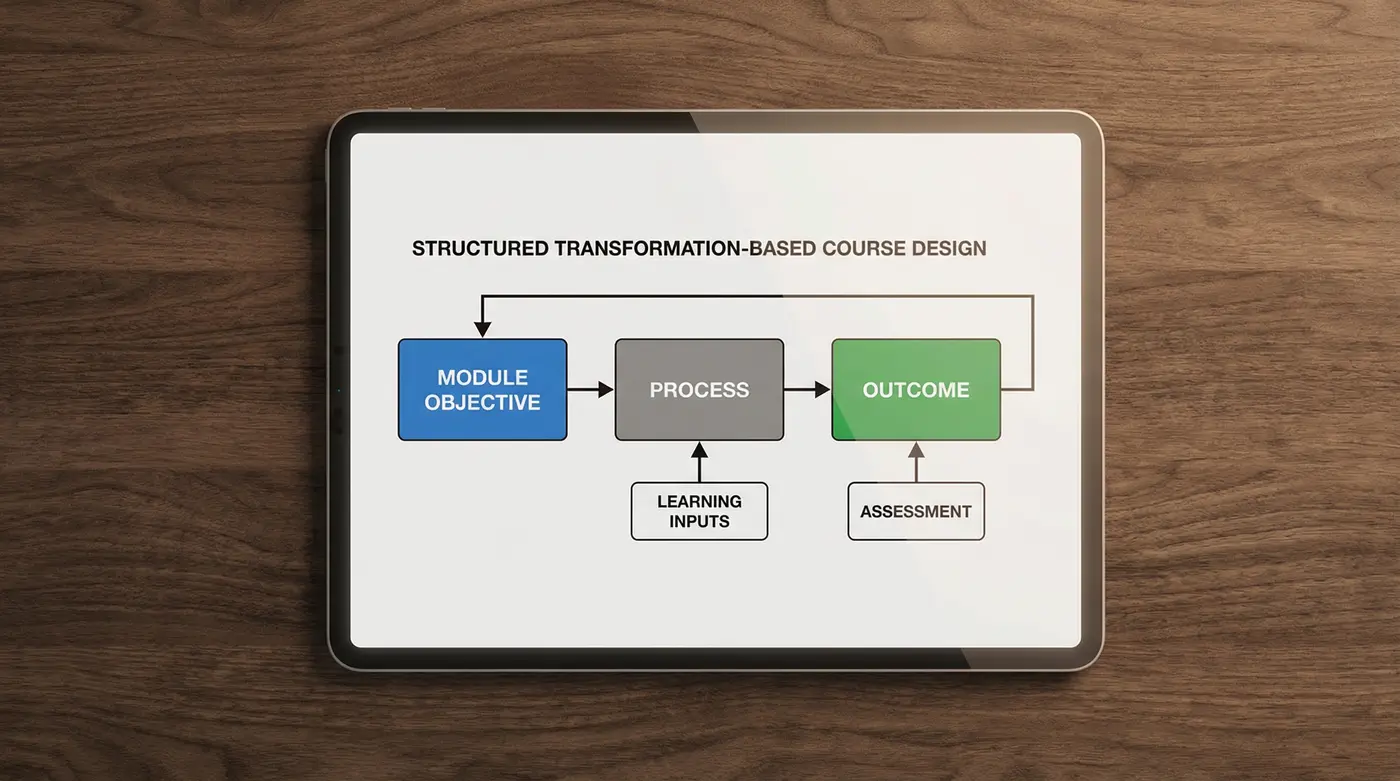
Successful courses are built backwards from specific, measurable outcomes. Instead of vague promises like “learn digital marketing,” define precise transformations such as “launch a profitable Facebook ad campaign with a $500 budget that generates 3x return on investment.”
This outcome focused approach serves multiple purposes. It guides your content creation process, makes pricing decisions easier, and provides clear value propositions for marketing. Students know exactly what they’ll achieve, which increases enrollment and completion rates.
Document 3 to 5 core learning outcomes that your course will deliver. Each outcome should be actionable, measurable, and directly tied to your students’ success. These outcomes will become the foundation for your course modules and the centerpiece of your marketing messaging.
Consider the student journey from their current state to their desired future state. What specific skills, knowledge, and tools do they need to bridge that gap? This transformation mapping ensures your course content directly serves student success rather than simply showcasing your expertise.
Focus on Your Niche Audience
Generic courses targeting everyone typically resonate with no one. The most profitable courses serve a specific niche audience with tailored content, format, and community experience.
Identify your ideal learner by examining demographics, professional background, current skill level, and learning preferences. A course for busy executives requires different pacing and format than one designed for recent graduates. Understanding these nuances allows you to create more engaging and effective learning experiences.
Customize your course tone and complexity to match your audience’s expertise level. Beginners need step by step guidance with minimal jargon, while advanced learners prefer concise, technical instruction that respects their existing knowledge. This customization extends to examples, case studies, and practical applications that resonate with your specific audience.
Develop detailed learner personas that include pain points, goals, preferred learning styles, and available time for course consumption. These personas should guide every decision from content creation to platform selection to community management strategies.
Mix Content Formats for Maximum Engagement
Different learners absorb information through different mediums. A course that relies solely on video lectures will lose students who prefer text based learning or hands on activities. Successful courses incorporate multiple content formats to accommodate diverse learning preferences.
Video content works well for demonstrations, explanations, and building personal connection with students. Keep videos focused and actionable, typically between 5 to 15 minutes for optimal engagement. Include screen recordings for technical tutorials and talking head videos for conceptual content.
Text based content supports different learning styles and provides searchable reference material. Create downloadable guides, checklists, and worksheets that students can reference during implementation. Written content also improves course accessibility and allows for easy updates.
Interactive elements like quizzes, assignments, and discussion prompts increase engagement and knowledge retention. These components transform passive consumption into active learning, leading to better outcomes and higher satisfaction.
Live sessions add significant value through real time interaction and community building. Schedule regular office hours, group coaching calls, or live workshops that allow students to ask questions and receive personalized guidance.
Build an Active Course Community
Course communities dramatically improve completion rates, student satisfaction, and long term loyalty. Modern learners expect more than isolated content consumption, they want connection with peers and ongoing support from instructors.
Choose community platforms that encourage active participation rather than passive observation. Platforms like Skool, Circle, or Discord facilitate real time conversations and accountability partnerships. Avoid generic Facebook groups that often become inactive or filled with spam.
Foster peer interaction through structured activities like accountability partnerships, group challenges, and collaborative projects. When students support each other’s progress, they’re more likely to complete the course and recommend it to others.
Maintain active moderation and regular engagement. Post discussion prompts, celebrate student wins, and address questions promptly. Your presence in the community signals its importance and encourages ongoing participation.
Create different community tiers based on course pricing levels. Basic students might access general discussion areas, while premium students receive exclusive channels, direct instructor access, and additional resources.
Leverage Automation and All in One Platforms
Online business automation transforms course delivery from a manual, time intensive process into a scalable system that runs efficiently with minimal intervention. The right technology stack supports growth while maintaining quality student experiences.
Integrate marketing, sales funnels, and course delivery through comprehensive platforms. Tools like Kajabi, Teachable, or Thinkific offer built in email marketing, payment processing, and analytics alongside course hosting. This integration eliminates technical complexities and provides unified student data.
Automate student onboarding with welcome sequences, course orientation materials, and community introductions. Automated drip content delivery ensures students receive lessons at optimal intervals while reducing your daily management requirements.

Implement CRM integration to track student progress, engagement levels, and completion rates. This data informs course improvements and identifies opportunities for additional offers or support.
Use automated email sequences for course promotion, student engagement, and post course follow up. These sequences nurture leads, celebrate student progress, and promote additional products or services.
Offer Premium Access and Strategic Upsells
Tiered pricing models allow you to serve different student needs while maximizing revenue per customer. Basic course access provides core content, while premium tiers offer enhanced support, additional resources, and direct access to expertise.
Group coaching calls add significant value without requiring individual time investment. Schedule regular sessions where premium students can ask questions, receive feedback, and learn from peer discussions. These calls build community while justifying higher price points.
Done for you resources like templates, scripts, and frameworks provide immediate value that students can implement quickly. While AI tools can generate generic materials, your battle tested resources offer proven effectiveness that commands premium pricing.
Consider offering implementation services or done with you support for students who want faster results with expert guidance. These high ticket offerings can generate substantial additional revenue from your course audience.
Create logical upsell sequences that guide students through increasingly valuable offers. Start with the core course, then offer coaching, done for you services, or advanced training programs based on their progress and needs.
Price for Value and Outcomes
Course pricing should reflect the transformation you deliver, not the hours of content you provide. Students invest in results, not entertainment. Focus your pricing strategy on the value students receive rather than competing solely on cost.
Implement tiered pricing that serves different budget levels and commitment levels. Basic tiers might include core content, while higher tiers add coaching, community access, and bonus resources. This approach captures more market segments while increasing average order value.
Consider subscription models for ongoing education or community access. Monthly or annual subscriptions provide predictable revenue while allowing students to engage at their own pace. This model works particularly well for evergreen content that students reference repeatedly.
Offer payment plans to make higher priced courses accessible to more students. Three or six month payment options can double your effective market size while maintaining premium positioning.
Regularly review and adjust pricing based on student feedback, completion rates, and market response. Successful courses often command higher prices over time as social proof and testimonials accumulate.
Use Continuous Improvement Based on Feedback
Treat your course as a living product that evolves based on student needs and market changes. Regular iteration improves student outcomes while maintaining competitive advantages in a crowded marketplace.
Collect systematic feedback through surveys, interviews, and community discussions. Ask specific questions about content clarity, pacing, missing elements, and desired additional resources. This feedback guides meaningful improvements rather than random updates.
Monitor analytics data including completion rates, engagement metrics, and student progression patterns. Low completion areas indicate content that needs revision, while high engagement sections reveal successful formats to replicate.
Implement A/B testing for key course elements like onboarding sequences, lesson formats, and community structures. Small improvements in these areas compound over time to create significantly better student experiences.
Regularly update content to reflect industry changes, new tools, and evolved best practices. Outdated information damages credibility and reduces course value over time.
Drive Growth With Multi Channel Digital Marketing
Building a great course is only half the equation. Sustainable success requires ongoing marketing that reaches your target audience through multiple channels and touchpoints.
Develop omnipresent advertising strategies that keep your course visible across platforms where your audience spends time. This might include Facebook ads, Google ads, LinkedIn promotion, and social media content marketing.
Create evergreen sales funnels that automatically nurture leads and convert prospects into students. These funnels should include lead magnets, email sequences, webinars, and sales pages that work together to build trust and demonstrate value.
Leverage content marketing through blog posts, podcasts, and social media to establish thought leadership and attract organic traffic. Share valuable insights that demonstrate your expertise while driving interest in your full course offering.
Partner with complementary businesses, influencers, and affiliates who can promote your course to their audiences. These partnerships expand your reach while providing credible third party endorsements.
Measuring Success and Scaling Your Course Business
Successful course businesses require systematic measurement and optimization across multiple metrics. Track enrollment numbers, completion rates, student satisfaction, and revenue per student to understand your course performance comprehensively.
Monitor lifetime customer value by tracking additional purchases, referrals, and long term engagement. Students who complete your course successfully often become your best customers for advanced offerings and high ticket services.
Scale successful courses through improved marketing, enhanced automation, and strategic partnerships. Focus resources on courses that demonstrate strong market demand and student outcomes rather than constantly creating new offerings.
Consider expanding successful courses into comprehensive education ecosystems with multiple learning paths, certification programs, and ongoing support communities. This approach maximizes the value of your initial course development investment.
Transform Your Expertise Into Sustainable Revenue
Learning how to build an online course that actually sells requires combining educational expertise with business strategy and marketing execution. The most successful courses solve specific problems for defined audiences while leveraging automation and community to scale efficiently.
The key lies in validation before creation, outcome focused design, and continuous optimization based on student feedback and market response. When you combine these elements with strategic pricing and multi channel marketing, you create sustainable education businesses that generate recurring revenue while establishing thought leadership.
Ready to transform your expertise into a profitable online course? Our team specializes in helping businesses create high converting educational products with automated marketing funnels and scalable delivery systems. Contact us to discuss how we can accelerate your course creation and marketing process while ensuring maximum profitability and student success.