How to Start an Online Business: Complete Step-by-Step Guide to Modern Success with AI and Automation
Starting an online business has never been more accessible, yet the modern digital landscape demands a strategic approach that leverages cutting-edge technology, creator partnerships, and automation systems. With global e-commerce sales projected to reach $8.09 trillion by 2028 and digital advertising accounting for 70% of marketing spend, entrepreneurs who understand how to start an online business using modern tools will capture the largest share of this explosive growth.
This comprehensive guide walks you through every essential step to launch and scale a successful online venture, from choosing the right business model to implementing AI-driven personalization and automation for small businesses that drives measurable results.
Understanding the Online Business Landscape
The digital marketplace has evolved dramatically, with e-commerce now representing 16.4% of total US retail sales. Today’s successful online businesses combine multiple revenue streams, leverage creator-led marketing, and prioritize direct-to-consumer relationships over traditional retail partnerships.
Modern consumers expect personalized experiences, authentic brand connections, and seamless omnichannel journeys. Over 75% of buyers consult social media before making purchases, while 69% trust creator recommendations over traditional advertising. This shift creates unprecedented opportunities for entrepreneurs who understand how to harness these trends.
Key market drivers shaping online business success include:
- Rising demand for direct-to-consumer experiences
- Explosive growth in social commerce and in-app purchasing
- AI-enhanced personalization and customer targeting
- Automation tools that scale operations efficiently
- Creator partnerships that build authentic trust
Choosing Your Online Business Model
Selecting the right business model forms the foundation of your venture’s scalability and profitability. Each model offers distinct advantages depending on your resources, target market, and growth objectives.
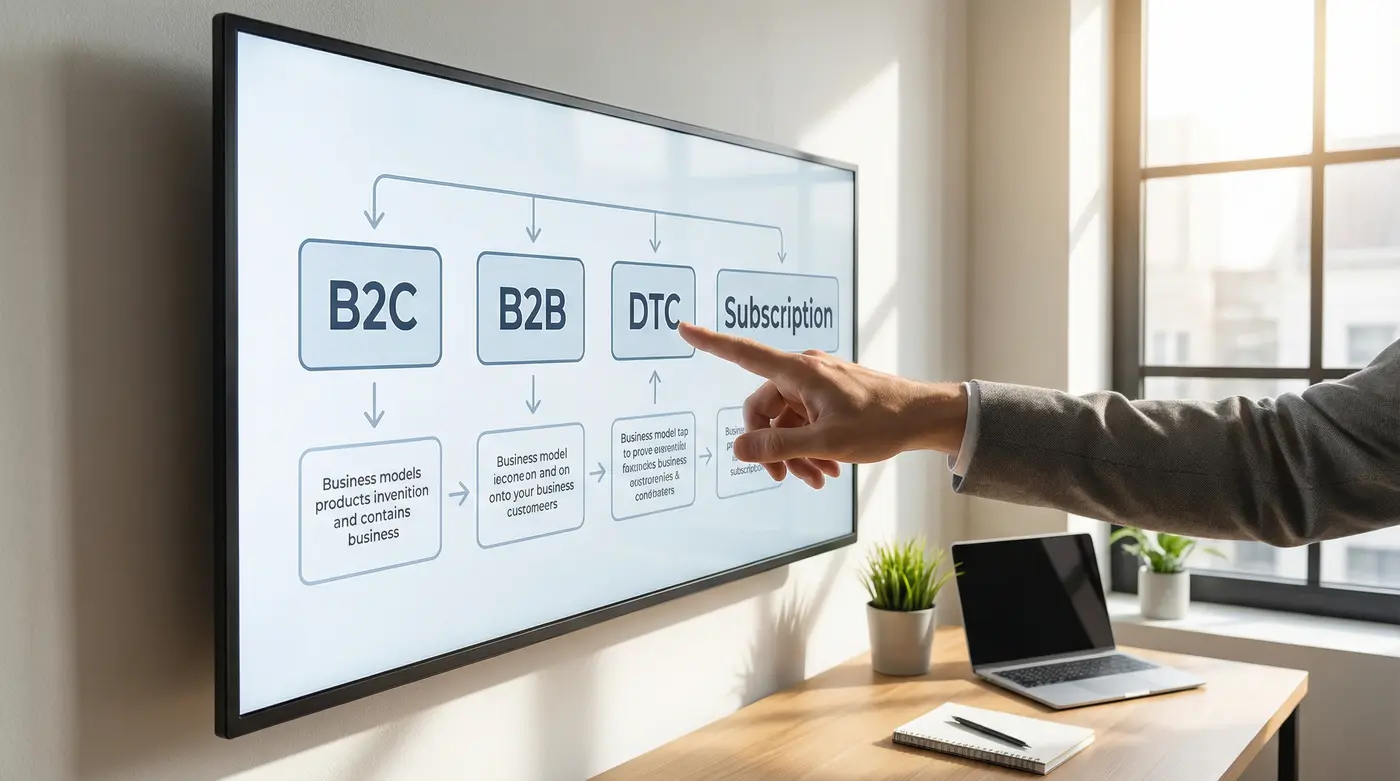
Business-to-Consumer (B2C) Models
B2C models sell directly to individual consumers and include:
- Direct-to-Consumer (DTC): Bypass retailers to control pricing, branding, and customer relationships
- Subscription-based: Generate recurring revenue through monthly or annual subscriptions
- Dropshipping: Sell products without holding inventory, reducing upfront costs
- Private label/White label: Rebrand existing products with your unique positioning
Business-to-Business (B2B) Models
B2B models target other businesses and typically offer higher transaction values and longer customer relationships. Popular B2B approaches include SaaS platforms, consulting services, and wholesale operations.
When choosing your model, consider factors like startup costs, scalability potential, market competition, and your ability to manage inventory, customer service, and fulfillment operations.
Creating Your Strategic Business Plan
A comprehensive business plan serves as your roadmap for sustainable growth and investor readiness. Your plan should prioritize digital-first strategies, measurable results, and scalability from day one.
Essential Business Plan Components
Your business plan must address:
- Market Analysis: Target audience demographics, buying behaviors, and competitor landscape
- Revenue Projections: Realistic sales forecasts based on market size and acquisition strategies
- Marketing Strategy: Multi-channel approach including SEO, paid advertising, social media, and creator partnerships
- Technology Stack: E-commerce platform, CRM integration, automation tools, and analytics systems
- Financial Planning: Startup costs, ongoing expenses, and funding requirements
Remember that marketing can represent up to 30% of an e-commerce company’s budget, making strategic planning crucial for sustainable growth and positive ROI.
Building Your Brand Foundation
Strong branding differentiates your business in competitive markets and builds customer trust essential for long-term success.
Legal and Administrative Setup
Complete these foundational steps before launching:
- Choose and register your business name
- Select appropriate business entity (LLC, Corporation, or Sole Proprietorship)
- Obtain necessary licenses and permits
- Register for an Employer Identification Number (EIN)
- Secure relevant trademarks and intellectual property protection
Brand Identity Development
Create a cohesive brand identity that resonates with your target audience:
- Design professional logo and visual elements
- Develop consistent brand voice and messaging
- Create brand guidelines for consistent application
- Establish social media presence across relevant platforms
Your brand identity should reflect authenticity and values alignment, as modern consumers increasingly choose brands that match their personal beliefs and lifestyle preferences.
Setting Up Your Online Store
Your e-commerce platform serves as the foundation for customer acquisition, conversion, and retention. Choose a platform that supports your current needs while accommodating future growth and integration requirements.
Platform Selection Criteria
Evaluate platforms based on:
- Functionality: Payment processing, inventory management, and order fulfillment capabilities
- Customization: Design flexibility and brand customization options
- Scalability: Ability to handle traffic spikes and business growth
- Integration: Compatibility with CRM systems, email marketing tools, and analytics platforms
- Cost Structure: Monthly fees, transaction costs, and additional feature pricing
Popular E-commerce Platforms
Shopify: User-friendly with extensive app ecosystem, starting at $29/month
WooCommerce: WordPress-based with maximum customization flexibility
Squarespace: Design-focused with built-in marketing tools
Magento: Enterprise-level features for complex requirements
Optimize your store for conversions by implementing clear navigation, compelling product descriptions, high-quality images, customer reviews, and streamlined checkout processes.
Leveraging Creator-Led Marketing
Creator partnerships have become essential for building authentic connections and driving sales in the modern digital landscape. With 69% of consumers trusting creator recommendations, these relationships offer powerful alternatives to traditional advertising.
Building Successful Creator Partnerships
Focus on long-term relationships rather than transactional campaigns:
- Partner with creators whose audiences align with your target market
- Provide creative freedom while maintaining brand guidelines
- Offer fair compensation and performance incentives
- Collaborate on authentic storytelling that adds genuine value
- Track performance metrics and optimize partnership strategies
Creator-led strategies work particularly well for businesses in lifestyle, fashion, wellness, and technology sectors where authentic recommendations drive purchasing decisions.
Harnessing AI and Automation Power
Artificial intelligence and automation for small businesses have become essential tools for scaling operations, personalizing customer experiences, and optimizing marketing performance. Modern entrepreneurs can access enterprise-level capabilities at affordable price points.
AI Applications for Online Business
Implement AI across key business functions:
- Campaign Optimization: AI analyzes performance data to optimize ad targeting and budget allocation
- Personalization: Dynamic content and product recommendations based on customer behavior
- Customer Service: Chatbots handle routine inquiries while escalating complex issues
- Inventory Management: Predictive analytics optimize stock levels and prevent overselling
- Content Creation: AI assists with product descriptions, email copy, and social media posts
Essential Automation Systems
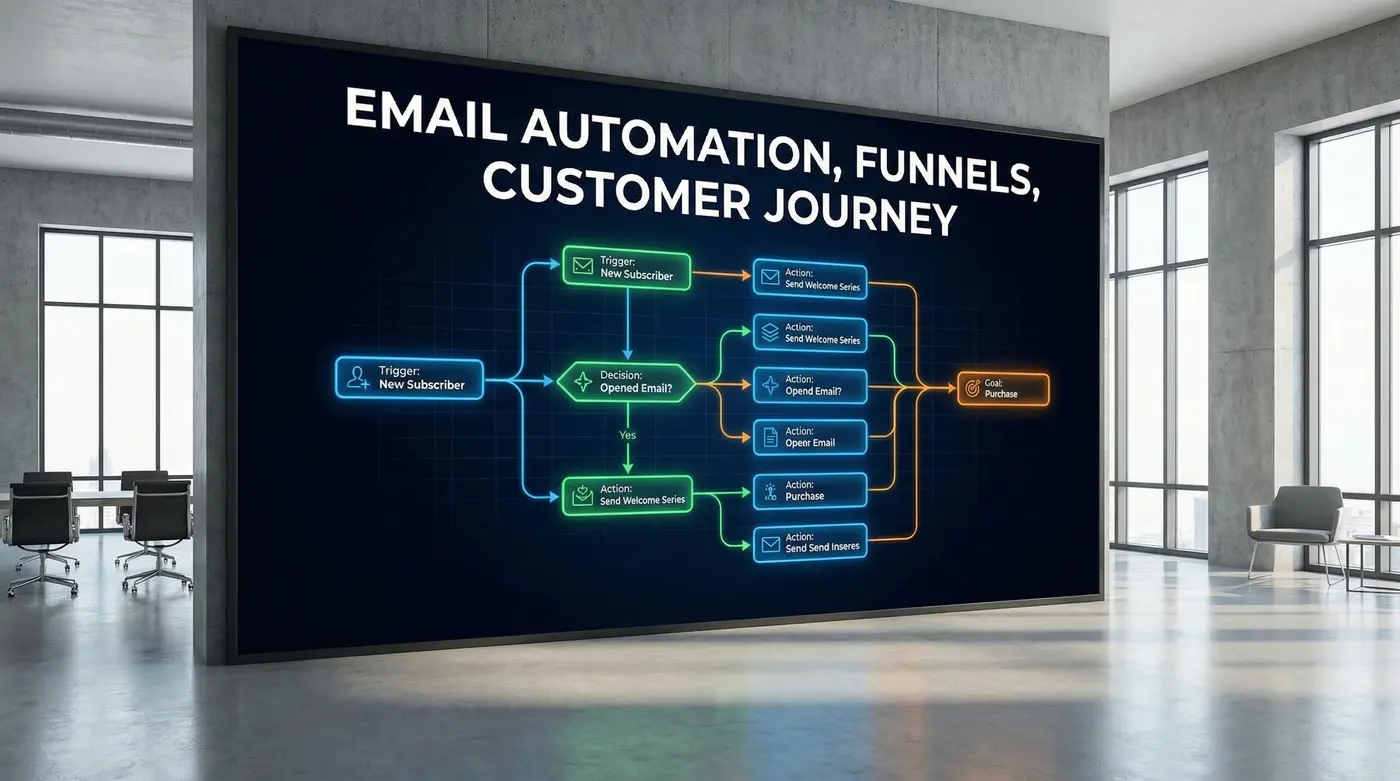
Email Marketing Automation: Implement email marketing automation sequences for welcome series, abandoned cart recovery, and post-purchase follow-ups. Automated email campaigns generate 320% more revenue than manual campaigns while requiring minimal ongoing management.
Sales Funnel Automation: Create automated customer journeys that nurture prospects from awareness to purchase. Effective sales funnel optimization tips include segmenting audiences, personalizing messaging, and implementing progressive profiling to gather customer data gradually.
Social Media Automation: Schedule posts, respond to comments, and track engagement across multiple platforms using tools like Hootsuite or Buffer.
Mastering Omnichannel Marketing
Successful online businesses integrate multiple marketing channels to create seamless customer experiences and maximize reach. Omnichannel strategies increase customer retention rates by up to 89% compared to single-channel approaches.
Core Channel Integration
Develop consistent messaging across:
- Website: Optimized for search engines and conversion
- Email: Automated sequences and targeted campaigns
- Social Media: Platform-specific content that drives engagement and sales
- Mobile Apps: Direct communication channel with push notifications
- Paid Advertising: Google Ads, Facebook Ads, and platform-specific promotions
Use unified customer data to deliver personalized experiences regardless of touchpoint. Customers who engage across multiple channels show 30% higher lifetime value than single-channel customers.
Building Customer Trust and Loyalty
Modern consumers prioritize data transparency and ethical business practices. Building trust requires clear communication about data usage, transparent pricing, and consistent delivery on brand promises.
Trust-Building Strategies
Implement practices that foster long-term customer relationships:
- Clearly explain data collection and usage policies
- Provide easy opt-out options for marketing communications
- Offer responsive customer service across multiple channels
- Display customer reviews and testimonials prominently
- Maintain consistent brand messaging and quality standards
Remember that 71% of consumers avoid brands that request data without explaining its purpose. Transparency in data practices directly impacts customer acquisition and retention rates.
Monitoring Performance and Scaling
Successful online businesses rely on data-driven decision making and continuous optimization. Establish key performance indicators (KPIs) that align with your business objectives and monitor them consistently.
Essential KPIs to Track
Monitor these critical metrics:
- Customer Acquisition Cost (CAC): Total marketing spend divided by new customers acquired
- Customer Lifetime Value (CLV): Average revenue per customer over their relationship duration
- Conversion Rate: Percentage of website visitors who complete desired actions
- Average Order Value (AOV): Average amount spent per transaction
- Return on Ad Spend (ROAS): Revenue generated per dollar spent on advertising
Use A/B testing to optimize website elements, email campaigns, and advertising creative. Small improvements in conversion rates compound over time, significantly impacting overall profitability.
Launch Strategy and Scaling Tips
Successful entrepreneurs start lean and scale systematically based on validated market demand and proven systems.
Lean Launch Approach
Minimize initial investment while maximizing learning opportunities:
- Test product-market fit with minimum viable products (MVPs)
- Use social media to validate demand before major inventory investments
- Leverage existing marketplaces (Amazon, Etsy) for initial sales
- Partner with complementary businesses for cross-promotion
- Focus on one primary marketing channel until achieving profitability
Scaling Systematically
Once you establish product-market fit and positive unit economics:
- Expand to additional marketing channels gradually
- Invest in automation tools that support increased volume
- Hire team members for specialized functions
- Develop strategic partnerships with suppliers and distributors
- Consider additional product lines or market segments
Successful scaling requires maintaining quality standards while increasing operational efficiency. Many businesses fail during rapid growth phases due to inadequate systems and processes. Explore more about scaling with AI in scaling business operations.
Staying Competitive Through Continuous Learning
The digital landscape evolves rapidly, making continuous education essential for long-term success. Stay current with industry trends, new technologies, and changing consumer preferences.
Invest in skill development through:
- Digital marketing certifications from Google, Facebook, and industry organizations
- Industry conferences and networking events
- Online courses covering emerging technologies and strategies
- Regular analysis of successful competitors and industry leaders
- Experimentation with new marketing channels and tactics
Learn more about AI transformations in AI systems.
Taking Action on Your Online Business Journey
Understanding how to start an online business requires combining strategic planning with decisive action. The entrepreneurs who succeed are those who start with solid foundations, leverage modern tools like AI and automation, and maintain focus on customer value creation.
Your next steps should include:
- Choose your business model and target market
- Create a comprehensive business plan with realistic projections
- Complete legal setup and brand development
- Select and configure your e-commerce platform
- Implement essential automation systems
- Launch with a lean approach and scale systematically
Ready to accelerate your online business growth with proven strategies and expert guidance? Our team specializes in helping established businesses implement the exact systems and strategies outlined in this guide. From high-conversion sales funnels to omnichannel marketing automation, we provide the done-for-you solutions that turn your online business vision into measurable results.
Contact us today to discover how our collaborative approach can help you double your business growth while you focus on what you do best.