The Future of Online Business Automation: How AI, Data, and Omnichannel Strategies Drive Exponential Growth
The landscape of online business automation is undergoing its most dramatic transformation yet. What started as simple rule-based workflows has evolved into sophisticated, intelligent systems that can think, adapt, and optimize in real-time. For businesses generating $500K to $10M in revenue, this evolution represents both an unprecedented opportunity and a critical competitive imperative.
Gone are the days when automation meant basic email sequences and simple if-then rules. Today’s leading organizations are leveraging agentic AI systems that function more like intelligent team members than static tools. These systems don’t just execute predefined tasks, they interpret customer intent, make strategic decisions, and continuously optimize performance across multiple channels simultaneously.
From Rule-Based to Agentic: The AI Revolution in Business Automation
Traditional automation relied on predetermined pathways. A customer abandons their cart, trigger an email. A lead downloads a resource, add them to a nurture sequence. While effective, these systems lacked the sophistication to adapt to individual customer behaviors and preferences in real-time.
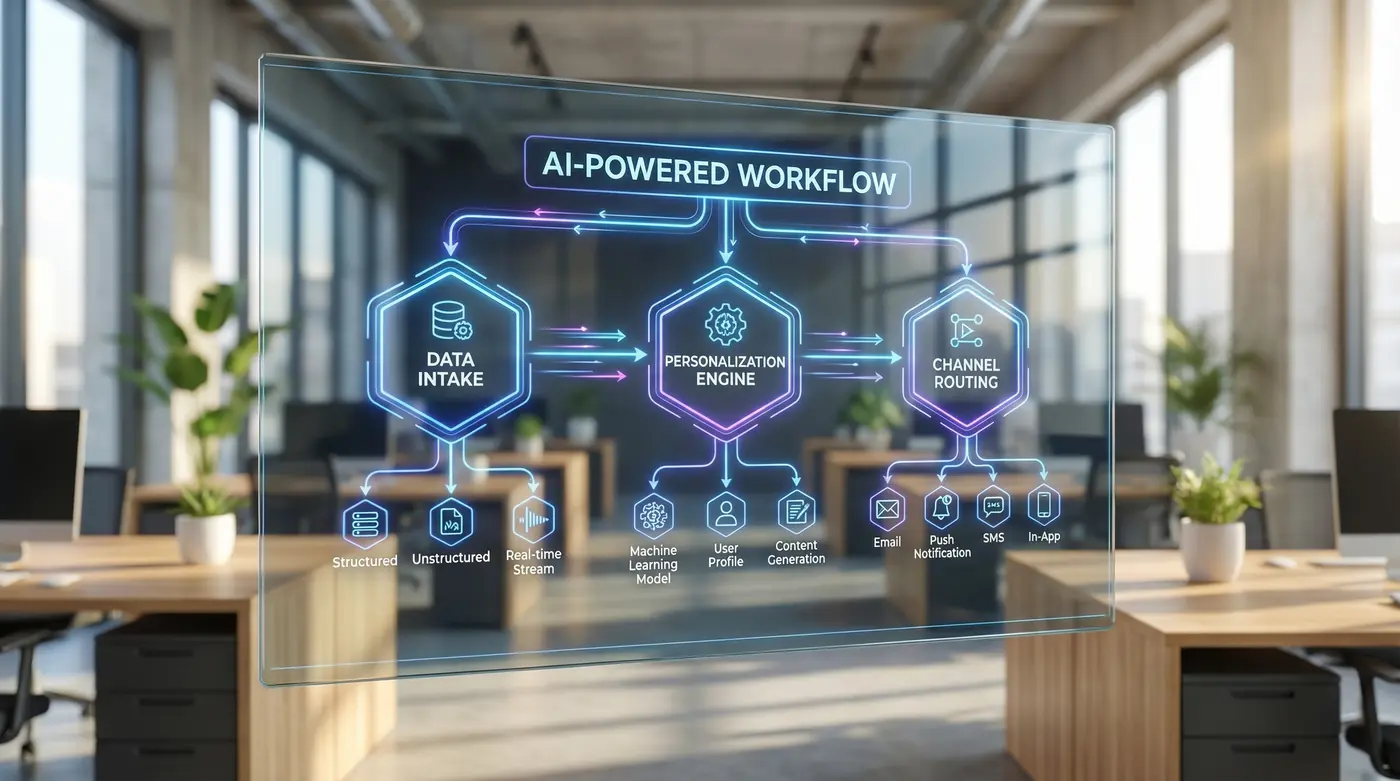
AI-driven automation changes everything. These intelligent systems analyze patterns across thousands of data points, predict customer behavior, and automatically adjust campaigns, pricing, and engagement strategies. Instead of following rigid rules, they learn from every interaction and continuously improve outcomes.
Consider how this applies to a high-ticket real estate firm. Traditional automation might send the same property listings to all leads in a geographic area. AI-driven systems, however, analyze individual browsing behavior, engagement patterns, and demographic data to curate personalized property recommendations. They can even predict the optimal time to send communications and adjust messaging tone based on the prospect’s demonstrated preferences.
The shift to agentic AI represents automation that doesn’t just respond to customer actions but anticipates them. These systems can identify potential churn before it happens, recommend upsells at precisely the right moment, and even handle complex customer service inquiries without human intervention.
The Data Foundation: Why First-Party and Zero-Party Data Are Everything
The effectiveness of any online business automation system depends entirely on the quality and depth of data feeding it. As privacy regulations tighten and third-party cookies disappear, businesses must build robust first-party and zero-party data strategies.
First-party data encompasses all the information you collect directly from customer interactions with your business: website behavior, purchase history, email engagement, and customer service conversations. Zero-party data goes deeper, representing information customers intentionally share: preferences, intentions, and personal context.
The most successful automated systems combine these data sources to create comprehensive customer profiles. A financial services firm might track which educational content prospects consume (first-party data) while also collecting information about their investment goals and risk tolerance through interactive assessments (zero-party data).
This unified data approach enables hyper-personalization that drives measurable results. Research indicates that businesses excelling at personalization see revenue increases of up to 40%. The key lies not in collecting more data, but in collecting the right data and structuring it for intelligent automation.
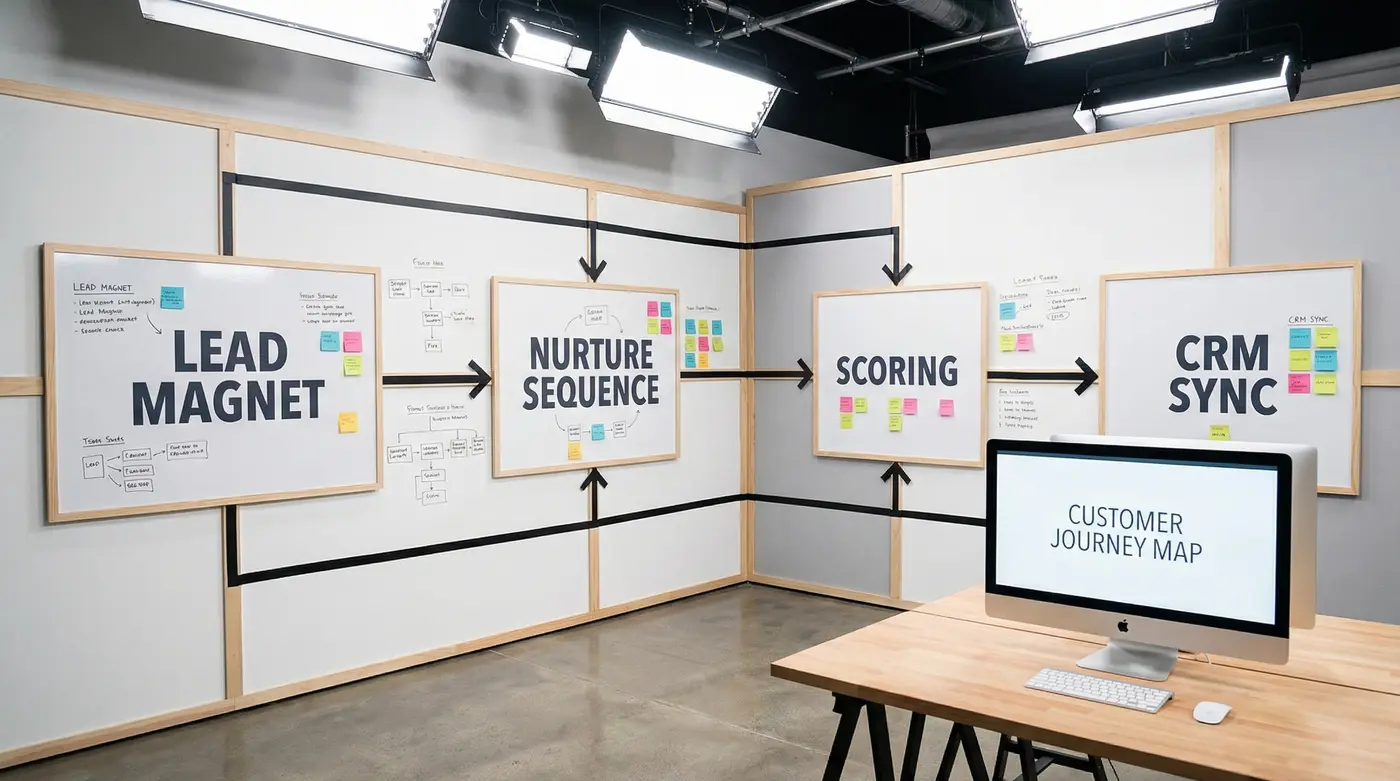
Businesses should audit their current data collection methods, aiming for 5-7 meaningful touchpoints rather than relying on just one or two sources. Each touchpoint should feed into a centralized CRM system that enables cross-team collaboration and comprehensive customer journey mapping.
Omnichannel Automation: Creating Seamless Customer Journeys
Omnichannel automation represents the next evolution of customer engagement. Instead of managing separate campaigns across email, SMS, social media, and paid advertising, leading businesses create unified experiences that adapt based on customer preferences and behavior patterns.
The power lies in channel affinity modeling. AI systems learn which communication channels individual customers prefer and automatically adjust outreach accordingly. Some customers might prefer detailed email communications, while others respond better to concise SMS messages or social media engagement.
For luxury sectors like high-end real estate or financial services, this approach proves particularly valuable. A potential client might discover your firm through LinkedIn content, engage with your email newsletter, schedule a consultation through SMS, and complete their purchase decision after an in-person meeting. Effective omnichannel automation ensures each touchpoint builds upon previous interactions, creating a cohesive narrative that guides prospects toward conversion.
The technology now exists to create truly seamless transitions between channels. A prospect who abandons a consultation booking on your website might receive a personalized video message via email, followed by a targeted social media advertisement, and finally a direct outreach from a sales team member, all coordinated through automated workflows.
The Smarter, Not More Principle
The future of business automation isn’t about automating everything, it’s about automating the right things intelligently. The most effective strategies focus on high-value, data-driven processes that directly impact growth and customer satisfaction.
Smart automation prioritizes activities that meet three criteria: high volume, repeatable processes, and significant impact on business outcomes. Customer onboarding sequences, lead scoring and qualification, inventory management, and post-purchase engagement represent ideal automation candidates.
For example, rather than automating every customer service interaction, focus on automating initial triage and routing while ensuring complex issues reach qualified human agents quickly. This approach maintains the personal touch that builds trust while improving operational efficiency.
The key insight is that automation should amplify human capabilities, not replace human judgment. Strategic oversight, creative problem-solving, and authentic relationship-building remain fundamentally human skills that technology enhances rather than replaces.
Conversational Commerce and Interactive Engagement
The rise of conversational commerce represents a fundamental shift in how customers interact with businesses. AI-powered chatbots and voice assistants are evolving from simple FAQ responders to sophisticated sales and service agents capable of handling complex transactions.
About one-third of consumers now express willingness to let AI handle purchases on their behalf, signaling a major shift toward zero-click commerce and AI-mediated transactions.
Shoppable videos and interactive content are becoming essential components of high-converting sales funnels. These technologies allow customers to make purchases directly within content experiences, eliminating the multiple steps that traditionally led to cart abandonment.
The implementation of conversational commerce requires careful attention to user experience design and backend integration. The most effective systems seamlessly blend AI capabilities with human oversight, ensuring customers receive accurate information while maintaining the option for human assistance when needed.
Post-Purchase Automation: Maximizing Customer Lifetime Value
The customer journey doesn’t end at purchase, it transforms. Post-purchase automation presents massive opportunities for driving loyalty, encouraging repeat purchases, and generating referrals.
Modern post-purchase automation goes far beyond transactional emails and shipping notifications. Intelligent systems can identify potential issues before customers experience them, proactively address concerns, and create opportunities for additional engagement.
For high-ticket service providers, this might involve automated check-ins during project milestones, educational content delivery based on service utilization, and predictive outreach when contracts near renewal. The goal is creating ongoing value that justifies premium pricing and encourages long-term relationships.
AI-driven post-purchase engagement can also identify upsell and cross-sell opportunities based on customer behavior patterns and satisfaction indicators. Rather than generic promotional messages, these systems deliver relevant recommendations at optimal timing, significantly improving conversion rates.
Implementation Strategies for Growth-Focused Businesses
Successfully implementing advanced online business automation requires a strategic approach that balances technological capabilities with business objectives. The most effective implementations follow a systematic process that prioritizes quick wins while building toward comprehensive automation ecosystems.
Begin by auditing current processes to identify automation opportunities with the highest impact and lowest complexity. Customer onboarding, lead nurturing, and basic customer service inquiries typically offer immediate returns on automation investment.
Invest in robust creative asset development. AI-powered personalization requires rich libraries of content, images, and messaging variations. Develop comprehensive metadata systems that enable intelligent content selection based on customer characteristics and journey stage.
Ensure your CRM system can support cross-team collaboration. Sales, marketing, and customer service teams should access unified customer profiles that reflect real-time interaction history and automated system activities.
Focus on data hygiene and integration quality. Even the most sophisticated AI systems produce poor results when fed incomplete or inconsistent data. Establish regular data auditing processes and invest in integration platforms that maintain data consistency across systems.

High-Ticket Sector Applications
Luxury and high-ticket sectors like real estate and financial services present unique automation opportunities. These industries rely heavily on trust-building and relationship development, making them ideal candidates for sophisticated, personalized automation strategies.
In real estate, intelligent automation can track property viewing patterns, analyze market conditions, and automatically adjust pricing recommendations. AI systems can identify serious buyers based on engagement patterns and prioritize them for personal attention from agents.
Financial services firms can use predictive analytics to identify clients likely to need specific services, automatically schedule portfolio reviews, and provide personalized market insights based on individual investment goals and risk profiles.
The key to success in these sectors lies in using automation to enhance rather than replace human relationships. Technology should provide advisors with better insights, more efficient processes, and timely alerts, enabling them to focus on high-value strategic guidance and relationship building.
The Human Element in Automated Systems
Despite advances in AI and automation technology, human expertise remains irreplaceable in several critical areas. Storytelling, strategic oversight, and authentic relationship building represent core competencies that technology amplifies rather than replaces.
The most successful automated systems maintain clear boundaries between AI capabilities and human intervention points. While AI excels at pattern recognition, optimization, and routine task execution, humans provide creative vision, ethical oversight, and emotional intelligence.
Businesses should design automation systems with clear escalation pathways that ensure complex situations receive appropriate human attention. This approach maintains customer satisfaction while maximizing operational efficiency.
The future belongs to organizations that successfully blend technological capabilities with human insight, creating experiences that feel both efficient and personal.
Measuring Success and Continuous Optimization
Effective marketing automation requires robust measurement systems that track both operational efficiency and business outcomes. Key metrics should include customer acquisition costs, lifetime value, engagement rates, and conversion velocity across different channels and customer segments. This aligns closely with insights from the marketing automation platform revolution article.
Advanced analytics platforms can identify which automation sequences drive the highest returns and which customer segments respond best to specific approaches. This data enables continuous optimization that improves results over time.
The most successful businesses treat automation as an ongoing optimization process rather than a set-and-forget solution. Regular testing, performance analysis, and strategic adjustments ensure systems continue delivering value as market conditions and customer preferences evolve.
Looking Forward: The Next Phase of Business Automation
The evolution of online business automation continues accelerating. Emerging technologies like advanced natural language processing, predictive analytics, and integrated IoT systems promise even more sophisticated automation capabilities. This is reinforced by insights from the AI strategy and implementation guide.
Businesses that begin implementing intelligent automation strategies now position themselves advantageously for future developments. The foundation of quality data, integrated systems, and strategic human oversight remains constant regardless of technological advances.
The organizations that thrive will be those that view automation not as a cost-saving measure, but as a growth acceleration tool that enables deeper customer relationships, more effective resource allocation, and sustainable competitive advantages.
Success in this new landscape requires commitment to continuous learning, strategic technology adoption, and maintaining focus on customer value creation. Businesses adopting the principles outlined in the AI automation and client experience article will gain a significant competitive edge.
Ready to transform your business with next-generation automation strategies? Our team specializes in implementing AI-driven systems that double revenue growth while maintaining the personal touch your customers expect. Contact us to discover how intelligent automation can accelerate your business objectives and create lasting competitive advantages in your market.