Comprehensive Guide to Optimizing Product Launches: Multi-Channel Strategies That Deliver Maximum ROI
Why Product Launch Optimization Has Become Critical for Business Growth
The landscape of product launches has fundamentally shifted. Today’s consumers make purchasing decisions across multiple touchpoints, often researching through social media, comparing options via email campaigns, and finalizing purchases through automated funnels. For businesses with $500K to $10M in revenue, optimizing product launches isn’t just about generating initial sales, it’s about building sustainable growth engines that compound over time.
According to recent industry data, 55% of product launches fail to meet their first-year revenue targets. However, companies that implement comprehensive, multi-channel launch strategies see 35% higher sales performance and 24% faster growth when marketing and sales teams work in perfect alignment. These statistics underscore why optimizing product launches requires a systematic, data-driven approach.
Modern consumers interact with brands across an average of 7-10 touchpoints before making a purchase decision. This reality means your launch strategy must orchestrate seamless experiences across paid advertising, organic content, email marketing strategies, social media, and owned channels. The businesses that master this orchestration don’t just launch products successfully, they create repeatable systems for sustained growth.
Building Your Launch Foundation: Data Collection and Audience Intelligence
Successful product launches begin months before the actual release date. The foundation starts with comprehensive audience intelligence and zero-party data collection. Your launch foundation should include detailed buyer personas developed through direct customer interviews, social listening, and behavioral analytics.
Creating a robust brand handbook serves as your north star throughout the launch process. This handbook should codify your positioning, voice, core values, and delivery promises. When your entire team operates from the same playbook, you eliminate mixed messaging and ensure consistency across all channels. Use platforms like Notion or Airtable to create living documents that evolve with your brand.
Zero-party data collection becomes your competitive advantage in an era where third-party cookies are disappearing. Implement interactive quizzes, product finders, and preference centers to gather explicit customer preferences. This data feeds directly into your segmentation strategy, enabling personalized messaging that resonates with specific audience segments.
The most successful launches leverage AI-powered social listening tools to understand customer language patterns. When you use the exact words your customers use to describe their problems, your messaging hits differently. This linguistic alignment often makes the difference between a launch that generates buzz and one that drives actual sales.

Orchestrating Multi-Channel Launch Campaigns
Multi-channel orchestration requires careful coordination across paid, owned, and earned media channels. Your launch strategy should integrate Facebook and Google advertising, organic social content, email marketing strategies, SMS campaigns, influencer partnerships, and community engagement into a cohesive narrative.
Start with your owned channels as the foundation. Email and SMS should drive 25-33% of your total launch revenue within the first six months. Structure your automated sequences to include welcome flows, educational content, launch announcements, and post-purchase engagement. Platforms like Klaviyo enable sophisticated segmentation that personalizes the launch experience for different customer groups.
Your paid advertising strategy should complement, not compete with, your organic efforts. Create custom audiences based on email subscribers, website visitors, and lookalike audiences derived from your best customers. Use video content extensively, as 70% of B2B buyers watch short-form video content during their decision-making process.
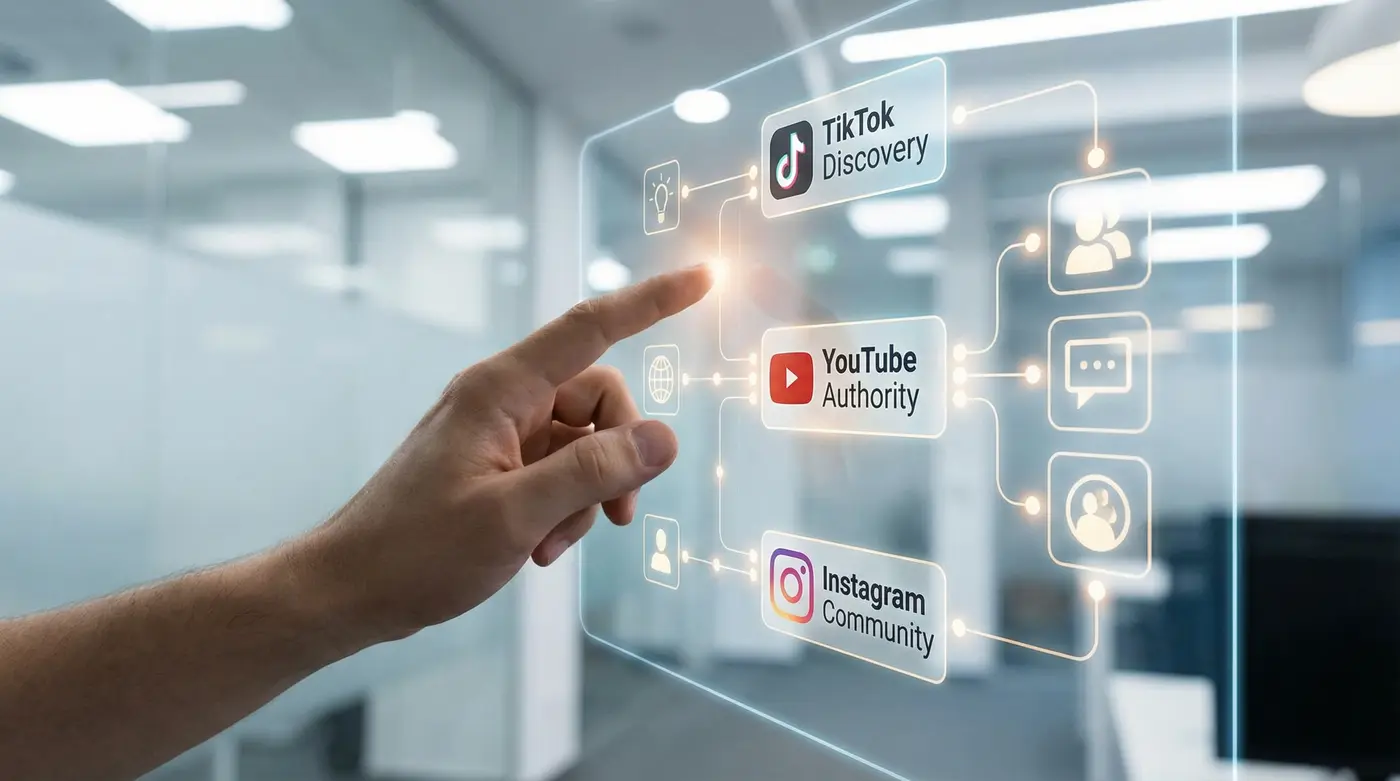
Social media serves as both a launch amplifier and a real-time feedback mechanism. Develop platform-specific content that leverages each channel’s unique strengths. LinkedIn excels for B2B thought leadership, Instagram drives visual storytelling, and TikTok captures trending moments that can explode your reach organically.
Influencer partnerships add credibility and extend your reach into established communities. Focus on micro-influencers with highly engaged audiences rather than macro-influencers with broad but shallow reach. B2B influencer marketing can increase engagement by 30% when executed authentically.
Leveraging AI and Predictive Analytics for Launch Success
Artificial intelligence transforms how we approach optimizing product launches by enabling predictive analytics, dynamic personalization, and real-time optimization. However, AI should enhance human creativity, not replace it. The most effective implementations use AI for data processing and pattern recognition while maintaining human oversight for creative decisions and brand voice.
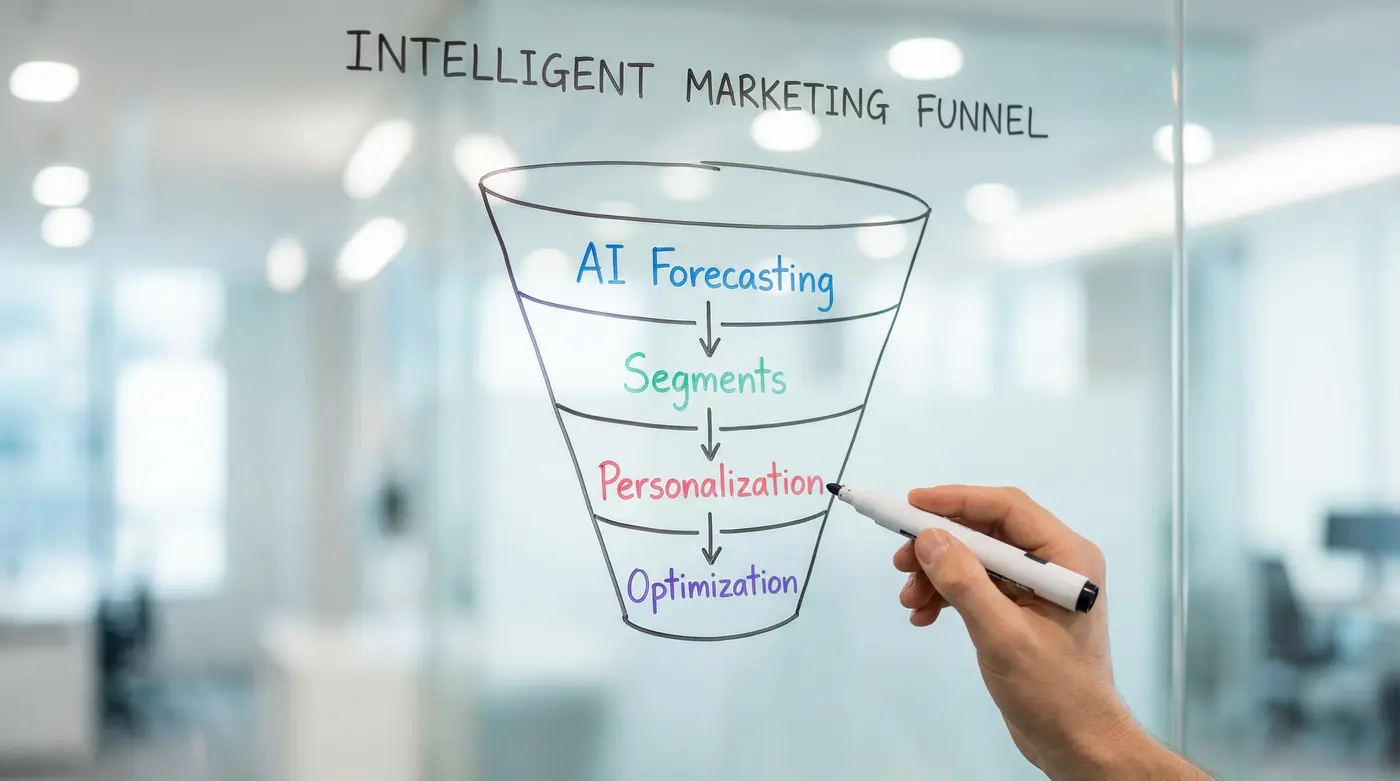
Implement AI-powered demand forecasting to optimize inventory levels and marketing spend allocation. Predictive analytics can identify which customer segments are most likely to convert, allowing you to allocate budget more efficiently across channels. Tools like Triple Whale and Northbeam provide sophisticated attribution modeling that accounts for the complex customer journey across multiple touchpoints.
Dynamic content personalization uses AI to serve different messaging, product recommendations, and offers based on individual user behavior and preferences. This level of personalization can increase conversion rates by 15-25% compared to static campaigns.
Use AI for competitive intelligence and trend monitoring. Set up automated alerts for mentions of your competitors, industry keywords, and emerging trends. This intelligence enables rapid response to market shifts and identifies opportunities for reactive content that captures trending conversations.
Customer service automation through AI chatbots can handle common pre-launch questions, freeing your team to focus on complex inquiries and relationship building. However, ensure smooth handoffs to human agents when conversations require nuanced understanding or emotional intelligence.
Content Strategy and Storytelling Across Touchpoints
Your launch narrative must remain consistent while adapting to each platform’s unique characteristics. Develop a core story framework with clear setup, conflict, and resolution that can be expressed through founder letters, product demonstration videos, customer testimonials, and educational content.
Create content in three categories: evergreen SEO content that drives long-term organic traffic, reactive trending content that captures timely conversations, and community-focused content that builds relationships with your audience. This diversified approach ensures consistent visibility while capitalizing on viral moments.
Video content should dominate your content strategy, particularly for product demonstrations and customer testimonials. Live shopping experiences and interactive demos blur the line between content and commerce, creating engaging experiences that drive immediate conversions.
Educational content establishes your authority while addressing customer pain points. Create comprehensive guides, webinars, and case studies that demonstrate your expertise and build trust with potential customers. This content serves multiple purposes: SEO benefits, lead generation, and sales enablement materials for your team.
User-generated content amplifies your reach while building social proof. Encourage customers to share their experiences through branded hashtags, contests, and ambassador programs. UGC often converts better than brand-created content because it carries the authenticity of peer recommendations.
Launch Tactics That Generate Momentum
Successful launches employ a combination of tactics designed to build anticipation, create urgency, and maintain momentum throughout the launch period. Teaser campaigns should begin 6-8 weeks before launch, gradually revealing information to build anticipation without giving away too much too early.
Soft launches to select audiences provide valuable feedback while creating exclusivity. Use this phase to identify and resolve potential issues before your full market launch. Beta users often become your most passionate advocates when they feel involved in the product development process.
Influencer-led strategies work particularly well when influencers have creative freedom to present your product authentically to their audiences. Provide product samples, talking points, and brand guidelines, but allow influencers to maintain their unique voice and style.
Community-driven advocacy transforms customers into active promoters. Create exclusive groups, early access programs, and referral incentives that reward your most engaged customers. These communities often generate organic buzz that extends far beyond your immediate marketing reach.
Partnership launches leverage established relationships to access new audiences. Strategic partnerships with complementary brands can dramatically expand your reach while sharing marketing costs. Ensure partnerships align with your brand values and target similar customer segments.
Maximizing Owned Channel Performance
Email marketing strategies and SMS campaigns form the backbone of successful product launches because they provide direct access to your audience without algorithm interference. Your email strategy should nurture subscribers through educational content before transitioning to launch messaging.
Segment your email list based on engagement levels, purchase history, and demographic data. Create specific sequences for new subscribers, existing customers, and high-value segments. Personalization goes beyond using names, it involves tailoring content, timing, and offers to individual preferences and behaviors.
SMS marketing provides immediacy that email cannot match. Use SMS for time-sensitive announcements, exclusive offers, and appointment reminders. However, respect subscriber preferences and maintain reasonable frequency to avoid unsubscribes.
Business automation enables sophisticated workflows that respond to customer actions in real-time. Set up triggered campaigns based on website behavior, email engagement, and purchase patterns. These automated touchpoints maintain engagement without requiring constant manual intervention.
Your website serves as the central hub where all marketing channels converge. Optimize landing pages for conversion by implementing clear value propositions, social proof, and streamlined checkout processes. A/B testing different elements helps identify the highest-converting combinations.
Data-Driven Optimization and Attribution
Modern attribution requires sophisticated tracking that accounts for the complex customer journey across multiple devices and channels. Implement server-side tracking to maintain accuracy despite privacy updates and cookie restrictions. Tools like Google Analytics 4, combined with first-party data collection, provide comprehensive insights into customer behavior.
Track leading indicators throughout your launch campaign, not just final conversions. Monitor email open rates, social engagement, website traffic patterns, and early sales velocity. These metrics provide early warning signs and optimization opportunities before problems impact overall results.
Post-purchase surveys capture valuable attribution data that automated tracking might miss. Ask customers how they first heard about your product and what factors influenced their purchase decision. This qualitative data often reveals insights that quantitative analytics cannot capture.
Sales funnel optimization requires continuous testing and refinement. Identify bottlenecks in your conversion process and systematically test improvements. Small optimizations across multiple touchpoints often yield better results than major changes to individual elements.
Customer lifetime value analysis helps you understand the long-term impact of your launch investments. Calculate acquisition costs against lifetime value to determine sustainable marketing spend levels and identify your most valuable customer segments.
Building Long-Term Loyalty and Advocacy
Successful product launches extend beyond initial sales to create lasting customer relationships. Implement onboarding sequences that help new customers maximize value from their purchase. Educational content, tips, and best practices reduce buyer’s remorse and increase satisfaction.
Subscription models and membership programs create recurring revenue streams while deepening customer relationships. Even for non-subscription products, consider loyalty programs that reward repeat purchases and referrals.
Referral programs turn satisfied customers into active promoters. Design programs that provide value to both referrers and new customers. Track referral performance to identify your most effective advocates and consider providing additional incentives.
Community engagement maintains long-term relationships beyond the initial purchase. Create spaces where customers can share experiences, ask questions, and connect with other users. Active communities often generate valuable feedback for future product development.
Customer feedback loops ensure continuous improvement and demonstrate that you value customer input. Regular surveys, review requests, and feedback sessions provide insights that inform future launches and product improvements.
Essential Technology Stack for Scalable Launches
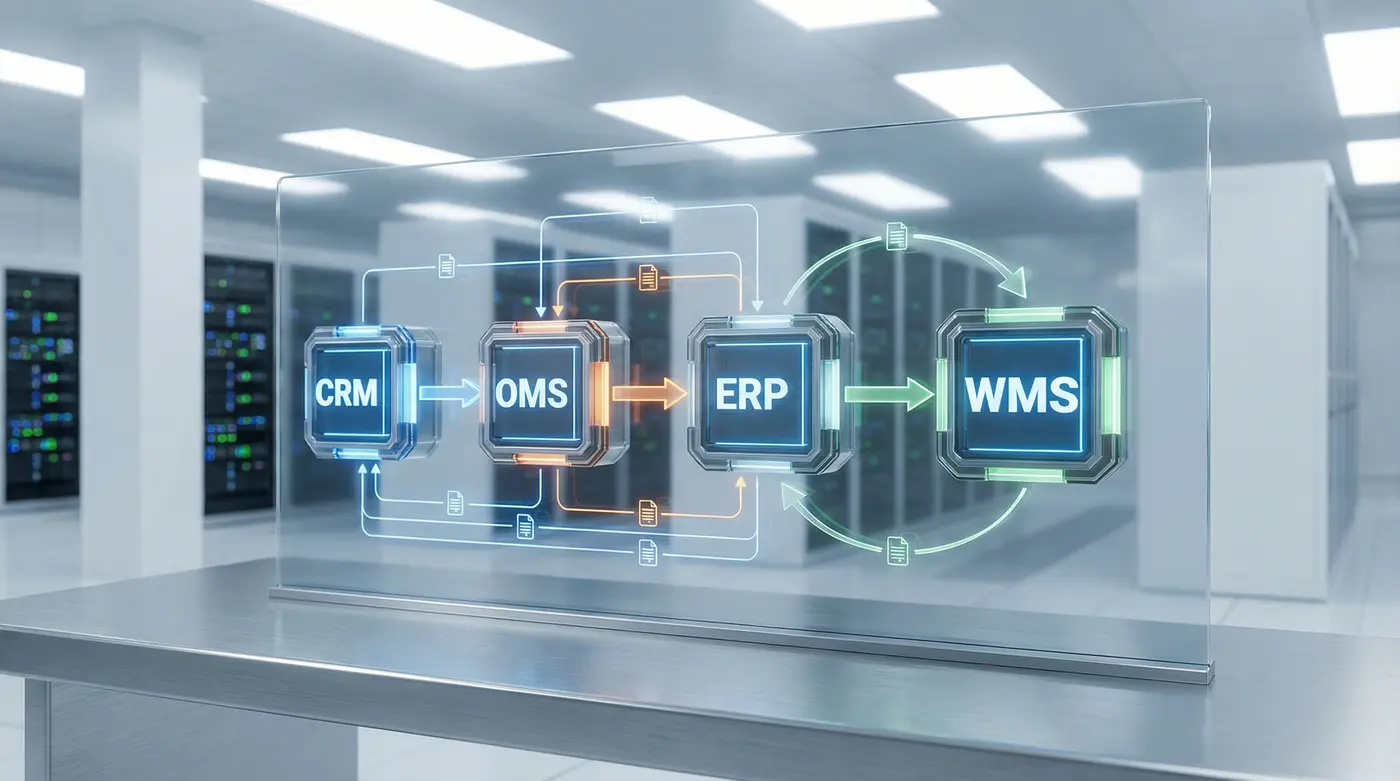
Your technology stack should integrate seamlessly to provide comprehensive data visibility and automation capabilities. Choose platforms that communicate effectively with each other and provide APIs for custom integrations when necessary.
Customer relationship management systems serve as the central database for all customer interactions. Platforms like HubSpot or Salesforce enable sophisticated lead scoring, automated follow-up sequences, and sales pipeline management. Integration with marketing tools ensures consistent data flow across all touchpoints.
Marketing automation platforms orchestrate complex multi-channel campaigns with minimal manual intervention. Look for tools that provide advanced segmentation, behavioral triggers, and performance analytics. The ability to create sophisticated workflows saves time while improving campaign effectiveness.
Analytics and attribution tools provide the insights necessary for optimization and future planning. Implement comprehensive tracking that captures the entire customer journey from first touch to final conversion and beyond. Regular analysis of this data informs strategic decisions and budget allocation.
E-commerce platforms should integrate with your marketing stack to provide seamless customer experiences. Features like abandoned cart recovery, product recommendations, and dynamic pricing can significantly impact conversion rates and average order values.
180-Day Launch Timeline for Maximum Impact
A successful launch requires careful planning and execution across multiple phases. Begin with market validation and competitive analysis 180 days before launch. Use this time to refine your product positioning and identify key differentiators.
Days 150-120 focus on content creation and influencer outreach. Develop your core messaging, create launch assets, and begin building relationships with potential partners and influencers. This preparation phase determines much of your launch success.
Days 120-90 involve soft launch activities and beta testing. Release your product to a limited audience to gather feedback and identify potential issues. Use this feedback to make final adjustments before your full market launch.
Days 90-60 ramp up marketing activities with teaser campaigns and pre-launch buzz building. Begin email sequences, social media campaigns, and content marketing efforts. Build anticipation while collecting pre-orders or early interest.
Days 60-30 intensify marketing efforts with full campaign launches across all channels. Coordinate paid advertising, influencer collaborations, PR outreach, and owned channel campaigns. Monitor performance closely and adjust tactics based on early results.
Launch day and the following 30 days require intensive monitoring and rapid optimization. Be prepared to scale successful campaigns quickly while addressing any issues that arise. Customer service becomes critical during this period as new users experience your product for the first time.
Post-launch analysis and planning for future iterations should begin immediately after the initial launch period. Document lessons learned, analyze performance data, and begin planning improvements for future launches or product iterations.
Key Success Metrics and Optimization Strategies
Measuring launch success requires tracking both immediate and long-term metrics. Immediate metrics include conversion rates, traffic volumes, social engagement, and early sales velocity. These indicators provide real-time feedback on campaign effectiveness.
Long-term metrics focus on customer lifetime value, retention rates, and organic growth through referrals and word-of-mouth marketing. These metrics often provide more accurate assessments of launch success than immediate sales figures.
Revenue attribution across channels helps optimize budget allocation for future campaigns. Understanding which channels drive the highest-value customers enables more strategic investment decisions.
Customer acquisition cost analysis ensures sustainable growth models. Calculate fully-loaded acquisition costs including all marketing, sales, and operational expenses. Compare these costs against customer lifetime value to ensure profitable unit economics.
Engagement metrics across all touchpoints provide insights into message resonance and audience preferences. High engagement rates often predict strong long-term performance even when immediate conversions lag expectations.
Preparing for Future Launch Success
The most successful companies treat each launch as an opportunity to refine their systems and processes. Document everything: what worked, what didn’t, and what could be improved. This institutional knowledge becomes invaluable for future launches.
Build templates and playbooks that can be adapted for different products and market conditions. Standardized processes reduce planning time while ensuring consistent execution quality.
Invest in team training and development to keep pace with evolving marketing technologies and consumer behaviors. The launch landscape changes rapidly, and continuous learning ensures your strategies remain effective.
Maintain relationships with influencers, partners, and media contacts between launches. These relationships often determine the success of future campaigns, so nurture them consistently rather than only during active campaigns.
Technology stack evolution should be ongoing rather than reactive. Regularly evaluate new tools and platforms that could improve your launch capabilities. Early adoption of effective technologies often provides competitive advantages.
Ready to optimize your next product launch with proven, data-driven strategies? Our team specializes in creating comprehensive launch campaigns that integrate multi-channel marketing, automation, and conversion optimization to maximize ROI. Contact us today to discuss how we can help you build scalable launch systems that drive sustainable growth for your business.