How to Master Personalization in Sales Funnels Using Behavioral Data for Maximum Conversions
Modern buyers have fundamentally changed the way they make purchasing decisions. They research extensively, compare options across multiple touchpoints, and expect businesses to understand their unique needs and preferences. Generic, one-size-fits-all marketing messages no longer cut it in today’s competitive landscape.
For mid-market businesses and high-ticket service providers, the solution lies in personalization in sales funnels using behavioral data. This approach transforms how you engage prospects by leveraging real-time insights about their actions, preferences, and buying signals to deliver highly relevant experiences that drive conversions.
Why Behavioral Data Is the Foundation of Effective Sales Funnel Personalization
Customer expectations have evolved dramatically. Research shows that 73% of buyers demand brands understand their preferences, while 81% actively ignore irrelevant marketing messages. This shift has made behavioral data the cornerstone of successful funnel personalization.
Unlike demographic data that provides static information, behavioral data reveals dynamic insights about how prospects interact with your content, what problems they’re trying to solve, and where they are in their buying journey. This includes:
• Website browsing patterns and page engagement
• Email interaction rates and click behavior
• Content consumption preferences
• Purchase history and transaction patterns
• Social media engagement and sharing activity
• Time spent on specific pages or resources
Companies that excel at behavioral-driven personalization achieve up to 40% higher revenue from those activities compared to businesses using generic approaches. The key difference is their ability to respond to real-time signals rather than assumptions about what prospects might want.

Moving Beyond Vanity Metrics to Business-Impacting KPIs
Many businesses get trapped focusing on vanity metrics like page views, social media likes, or email open rates. While these numbers might look impressive in reports, they don’t directly correlate to revenue growth or business success.
Effective sales funnel strategies require focusing on metrics that impact your bottom line:
Revenue-Focused Metrics:
• Customer Acquisition Cost (CAC)
• Lifetime Value (LTV) and LTV to CAC ratio
• Lead-to-sale conversion velocity
• Average order value and repeat purchase rates
• Channel-specific conversion rates
Behavioral Engagement Metrics:
• Time spent in each funnel stage
• Content engagement depth and progression
• Lead scoring accuracy and qualification rates
• Behavioral trigger response rates
• Cross-channel interaction patterns
By aligning your personalization efforts around these business-impacting KPIs, you create accountability and demonstrate clear ROI from your funnel optimization initiatives.
First-Party and Zero-Party Data Collection Strategies
With privacy regulations tightening and third-party data becoming less reliable, first-party and zero-party data collection has become essential for effective personalization.
First-Party Data Sources:
• Website analytics and user behavior tracking
• CRM interactions and sales conversation logs
• Email engagement patterns and preferences
• Purchase history and transaction data
• Customer service interactions and feedback
Zero-Party Data Collection Methods:
• Interactive quizzes and assessments
• Preference centers and subscription management
• Survey responses and feedback forms
• Progressive profiling through gated content
• Webinar registrations and event participation
The key is creating valuable exchanges where prospects willingly share information in return for personalized experiences or valuable resources. For example, a financial services firm might offer a retirement planning calculator that collects zero-party data about income, goals, and timeline while providing immediate value.
Mapping the True, Nonlinear Buyer Journey
Traditional linear funnel models assume prospects move predictably from awareness to consideration to decision. However, modern buyers follow complex, nonlinear paths influenced by multiple touchpoints and decision-makers.
Effective personalization in sales funnels using behavioral data requires mapping these true customer journeys:
Behavioral Trigger Mapping:
• Identify key actions that indicate buying intent
• Track cross-channel engagement patterns
• Monitor content consumption sequences
• Recognize decision-maker involvement signals
• Map objection and concern patterns
Dynamic Content Delivery:
• Serve relevant content based on current behavior, not funnel stage
• Adjust messaging for different stakeholder roles
• Respond to engagement intensity and frequency
• Personalize based on industry, company size, or use case
• Trigger appropriate follow-up sequences automatically
This behavioral approach allows you to meet prospects where they are in their unique journey rather than forcing them through a predetermined path.
Real-World Personalization Tactics That Drive Results
Implementing personalization requires specific tactics that leverage behavioral data effectively:
Dynamic Website Content:
• Personalized homepage messaging based on traffic source
• Industry-specific case studies and testimonials
• Role-based navigation and content recommendations
• Behavioral retargeting with relevant offers
• Real-time chat triggers based on page engagement
Segmented Nurture Flows:
• Behavioral trigger sequences for different actions
• Content tracks based on demonstrated interests
• Progressive profiling through email interactions
• Abandoned cart or demo request recovery sequences
• Post-purchase onboarding and expansion campaigns
Adaptive CTAs and Offers:
• A/B testing shows personalized CTAs convert 202% better than generic versions
• Dynamic pricing based on company size or industry
• Customized demo or consultation offers
• Relevant resource recommendations
• Time-sensitive offers based on engagement patterns
The Role of AI and Automation in Behavioral Personalization
AI-driven marketing automation has revolutionized how businesses can scale personalization efforts. More than 90% of businesses now use AI to power their personalization strategies, enabling sophisticated behavioral analysis and response at scale.
Predictive Lead Scoring:
AI analyzes historical behavioral patterns to identify which actions most strongly correlate with eventual purchases. This allows for more accurate lead qualification and prioritization.
Real-Time Content Adaptation:
Machine learning algorithms can instantly adjust website content, email messaging, and offer presentation based on individual behavioral signals and similar user patterns.
Automated Marketing-to-Sales Handoffs:
Behavioral triggers can automatically notify sales teams when prospects reach predetermined engagement thresholds, ensuring timely follow-up while leads are most engaged.
Intelligent Channel Selection:
AI can determine the optimal communication channel and timing for each prospect based on their historical response patterns and current behavior.
CRM as Your Personalization Engine
Your Customer Relationship Management system serves as the central hub for behavioral data collection, analysis, and activation. Modern CRMs enable seamless automation and personalization by:
• Consolidating behavioral data from all touchpoints
• Enabling no-code automation workflows
• Providing sales teams with rich behavioral context
• Facilitating cross-team collaboration and visibility
• Supporting progressive profiling and lead scoring
Organizations using automated CRM workflows report 70% improvements in administrative efficiency, freeing up time for strategic personalization initiatives.
Integration capabilities allow your CRM to connect with email platforms, website analytics, social media tools, and marketing automation systems, creating a unified view of each prospect’s behavioral journey. Tools like CRM integrations further enhance these capabilities.
Avoiding Common Personalization Pitfalls
While personalization offers significant benefits, several common mistakes can undermine your efforts:
Over-Personalization:
Being too specific or intrusive can make prospects uncomfortable. Focus on relevant, value-driven personalization rather than showing off how much data you’ve collected.
Privacy Concerns:
Be transparent about data collection and use. Provide clear value in exchange for information and respect user preferences and opt-out requests.
Data Quality Issues:
Inaccurate or outdated behavioral data leads to irrelevant personalization. Implement regular data cleaning and validation processes.
Technology Over Strategy:
Don’t let tools drive your strategy. Start with clear business objectives and customer needs, then select technology that supports those goals.
Lack of Testing:
Assumptions about what personalization works best often prove incorrect. Implement continuous A/B testing to validate and optimize your approaches.
Continuous Experimentation and Optimization
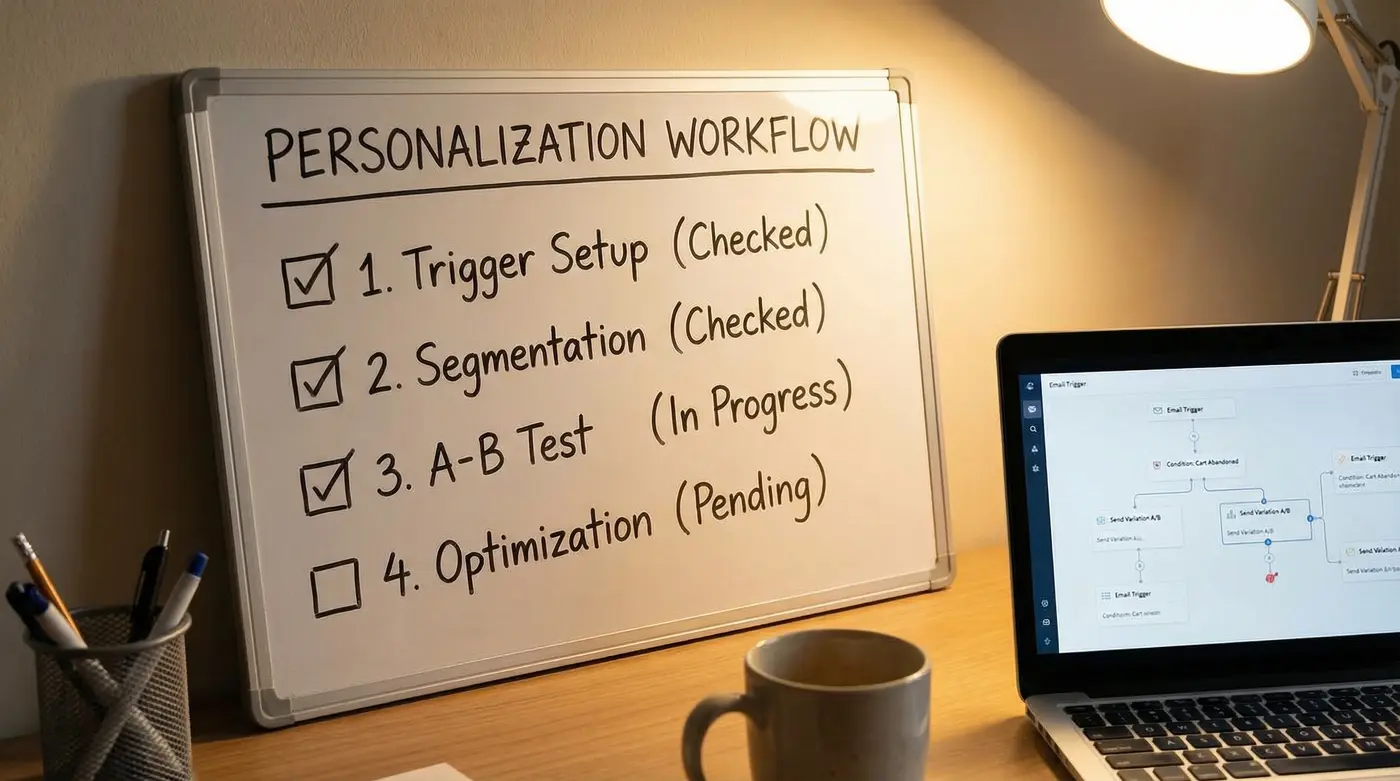
Successful personalization requires ongoing testing and refinement. Implement these practices for continuous improvement:
A/B Testing Framework:
• Test different behavioral triggers and thresholds
• Compare personalized versus generic messaging
• Experiment with timing and frequency of communications
• Validate assumptions about prospect preferences
• Measure impact on business metrics, not just engagement
Feedback Loops:
• Monitor behavioral responses to personalization efforts
• Collect direct feedback through surveys and interviews
• Analyze sales team insights about prospect reactions
• Track long-term customer satisfaction and retention
• Adjust strategies based on performance data
Rapid Iteration:
The value of behavioral data diminishes with time. Implement systems that allow for quick testing, learning, and optimization cycles.
Cross-Channel Orchestration for Consistent Experiences
Modern buyers interact with your brand across multiple channels and devices. Creating consistent, personalized experiences across all touchpoints is crucial for building trust and driving conversions.
Omnichannel Personalization Strategy:
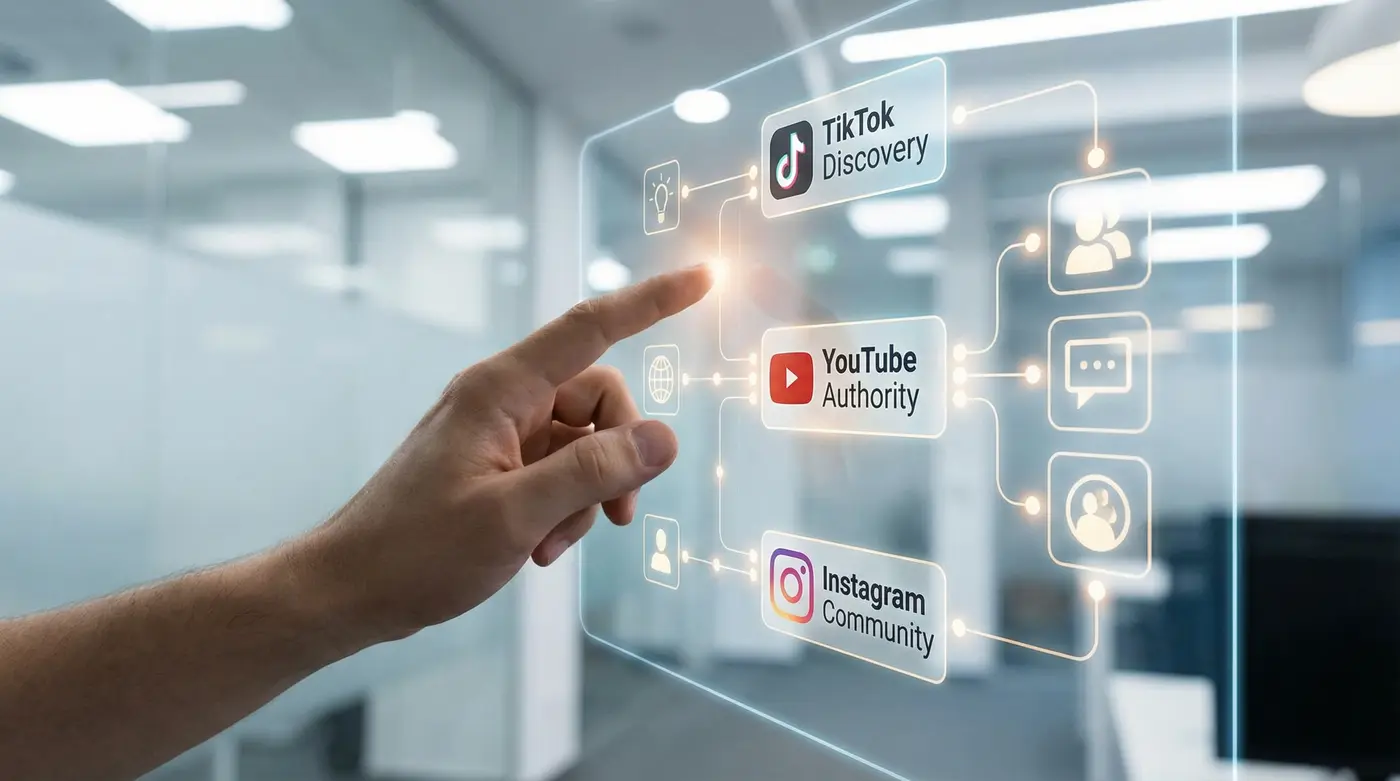
• Synchronize messaging across email, website, social media, and advertising
• Maintain behavioral data consistency across platforms
• Create seamless handoffs between digital and human interactions
• Personalize based on cross-channel behavior patterns
• Optimize for mobile and desktop experiences
Brands that achieve true omnichannel personalization see up to 3x better outcomes compared to single-channel approaches, though only about 35% of businesses currently achieve this level of integration. A deeper dive into orchestration systems can be explored in our multi-channel automation system guide.
Your 90-Day Action Plan for Behavioral Personalization
Ready to implement personalization in sales funnels using behavioral data? Here’s your roadmap for the next 90 days:
Days 1-30: Foundation Building
• Audit current data collection and integration capabilities
• Implement behavioral tracking across key touchpoints
• Define business-impacting KPIs and measurement frameworks
• Create detailed buyer personas based on behavioral patterns
• Set up basic lead scoring and segmentation
Days 31-60: Initial Personalization Deployment
• Launch behavioral-triggered email sequences
• Implement dynamic website content for key pages
• Create personalized nurture flows for different segments
• Deploy basic retargeting campaigns using behavioral data
• Begin A/B testing personalized versus generic approaches
Days 61-90: Advanced Optimization
• Implement AI-driven lead scoring and content recommendations
• Launch cross-channel personalization campaigns
• Deploy advanced behavioral triggers and automations
• Optimize based on performance data and testing results
• Plan expansion into additional channels and use cases
Transform Your Funnel Performance with Behavioral Personalization
Personalization in sales funnels using behavioral data represents a fundamental shift from hoping prospects will respond to your generic messages to knowing they will engage with relevant, timely communications tailored to their specific needs and behaviors. To deepen your mastery of funnel automation, explore our guide on automating sales funnels with AI.
The businesses that master this approach don’t just improve their conversion rates, they create sustainable competitive advantages by building deeper relationships with prospects and customers. By focusing on behavioral signals rather than assumptions, implementing systematic testing and optimization, and leveraging AI and automation to scale personalized experiences, you can transform your sales funnel from a conversion tool into a growth engine.
The question isn’t whether behavioral personalization will become standard practice, it’s whether your business will lead the transition or struggle to catch up. The time to start is now.
Ready to implement behavioral personalization in your sales funnels? Our team specializes in creating data-driven, personalized funnel experiences that drive measurable growth for mid-market businesses and high-ticket service providers. Contact us today to learn how we can help you leverage behavioral data to double your growth in the next 12 months.