The Complete Guide to Sales Funnel Optimization: Data-Driven Strategies That Double Revenue
Sales funnel optimization has evolved from a nice-to-have marketing tactic into the cornerstone of predictable revenue growth. Companies that master their funnel optimization strategies see 3-10x faster growth rates than their competitors, while 47% experience increased average transaction sizes through strategic nurturing.
For businesses generating $500K to $10M in revenue, the difference between a mediocre funnel and an optimized one can mean the difference between stagnation and doubling growth within 12 months. This comprehensive guide will walk you through the exact strategies, tools, and frameworks that high-performing companies use to transform their sales funnels into revenue-generating machines.
Why Traditional Sales Funnels Are Failing in the Modern Market
The traditional linear funnel model, where prospects move neatly from awareness to consideration to purchase, no longer reflects buyer behavior. Today’s B2B buyers conduct 67% of their research independently before ever engaging with a sales representative. They jump between stages, skip steps entirely, and often involve multiple decision-makers throughout the process.
This shift demands a more sophisticated approach to sales funnel optimization. Instead of pushing high volumes of leads through a static pipeline, successful businesses now focus on creating dynamic, intelligent systems that adapt to buyer behavior in real-time.
The Evolution of Buyer Expectations
Modern buyers expect personalized experiences at every touchpoint. They want relevant content that addresses their specific challenges, timely responses to their inquiries, and seamless transitions between channels. Generic messaging and one-size-fits-all approaches result in decreased engagement and lost opportunities.
Companies that embrace this reality and implement sophisticated sales funnel optimization strategies report 32% higher revenue and 36% better customer retention rates compared to those using outdated approaches.
Mapping the Modern Sales Funnel: Beyond TOFU, MOFU, and BOFU
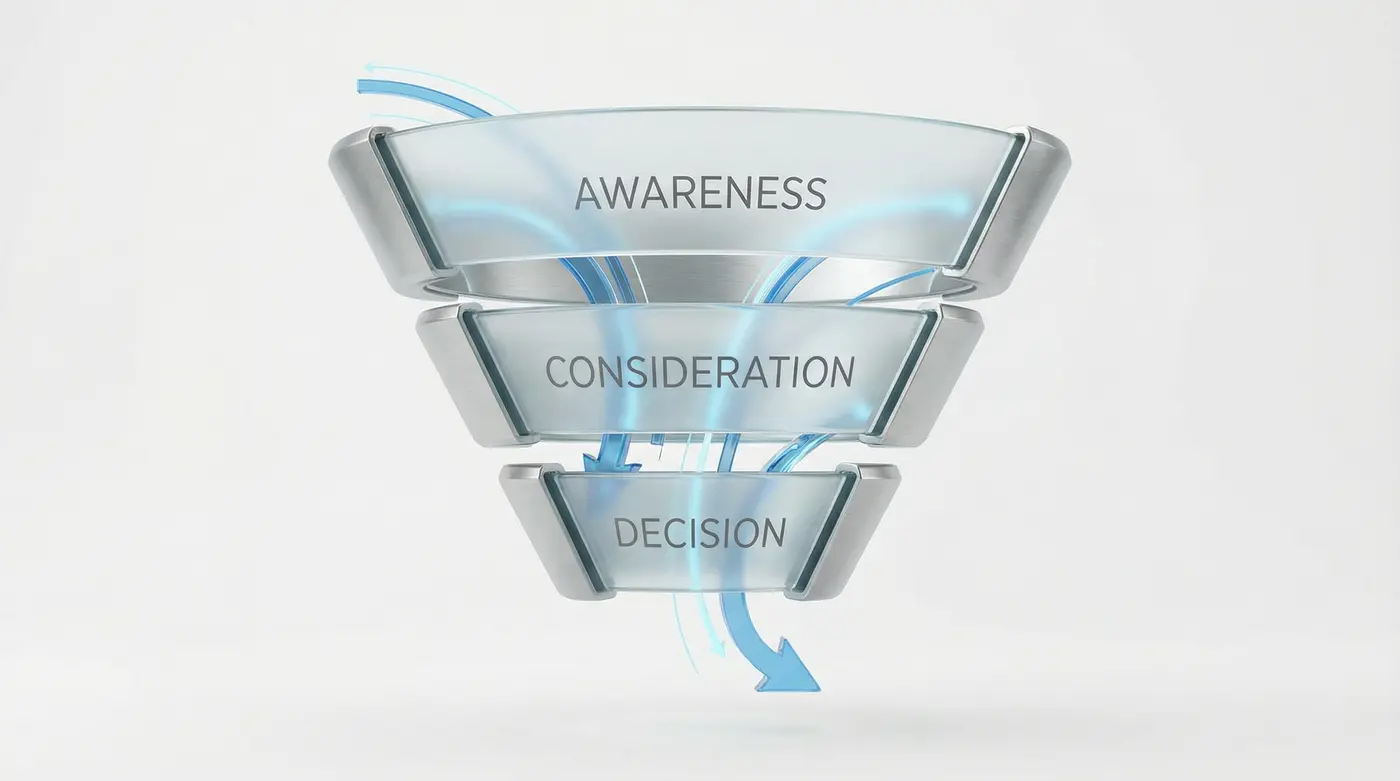
While the traditional Top of Funnel (TOFU), Middle of Funnel (MOFU), and Bottom of Funnel (BOFU) framework provides a basic structure, modern sales funnel optimization requires a more nuanced understanding of customer journey stages.
Top of Funnel: Awareness and Problem Recognition
At the TOFU stage, prospects are experiencing pain points but may not yet understand the full scope of their challenges. Your role is to educate and build trust through valuable content that addresses their immediate concerns.
Effective TOFU strategies include:
• Educational blog posts that address industry-specific challenges
• Social media content that sparks conversations around relevant topics
• SEO-optimized content that captures high-intent search queries
• Thought leadership pieces that position your brand as an authority
• Lead magnets that provide immediate value in exchange for contact information
Middle of Funnel: Solution Evaluation and Trust Building
MOFU prospects understand their problems and are actively researching solutions. This is where business automation and personalization become critical for effective sales funnel optimization. Your content should demonstrate expertise while addressing specific objections and concerns.
Key MOFU tactics include:
• Case studies that showcase relevant success stories
• Webinars and demos that provide hands-on experience
• Comparison guides that position your solution favorably
• Email marketing automation sequences that nurture based on behavior
• Retargeting campaigns that keep your brand top-of-mind
Bottom of Funnel: Decision Making and Purchase
BOFU prospects are ready to make a decision but need final reassurance and clear next steps. Your sales funnel optimization efforts should focus on removing friction and providing compelling reasons to choose your solution over alternatives.
Critical BOFU elements include:
• Free trials or consultations that reduce perceived risk
• Detailed pricing information and flexible payment options
• Customer testimonials and social proof
• Clear calls-to-action and streamlined purchase processes
• Urgency-creating offers with genuine value
Post-Funnel: Retention and Expansion
The most successful sales funnel optimization strategies extend beyond the initial purchase. Post-funnel optimization focuses on turning customers into advocates and identifying expansion opportunities.
Post-funnel strategies include:
• Onboarding sequences that ensure customer success
• Regular check-ins and value-added communications
• Upsell and cross-sell campaigns based on usage data
• Referral programs that incentivize customer advocacy
• Customer success metrics monitoring and intervention protocols
Aligning Sales and Marketing for Unified Funnel Performance
One of the biggest obstacles to effective sales funnel optimization is the disconnect between sales and marketing teams. When these departments operate in silos, leads fall through cracks, messaging becomes inconsistent, and opportunities are lost.
Companies with strong sales and marketing alignment generate 32% higher revenue and achieve 36% better customer retention. The key is establishing shared definitions, processes, and accountability measures.
Creating a Shared Source of Truth
Effective alignment starts with agreeing on fundamental definitions: What constitutes a qualified lead? When should marketing hand off to sales? How do you measure funnel performance? These agreements must be documented and consistently applied across both teams.
Implement these alignment strategies:
• Define clear handoff criteria between marketing and sales
• Establish shared KPIs that both teams are accountable for
• Create regular feedback loops between teams
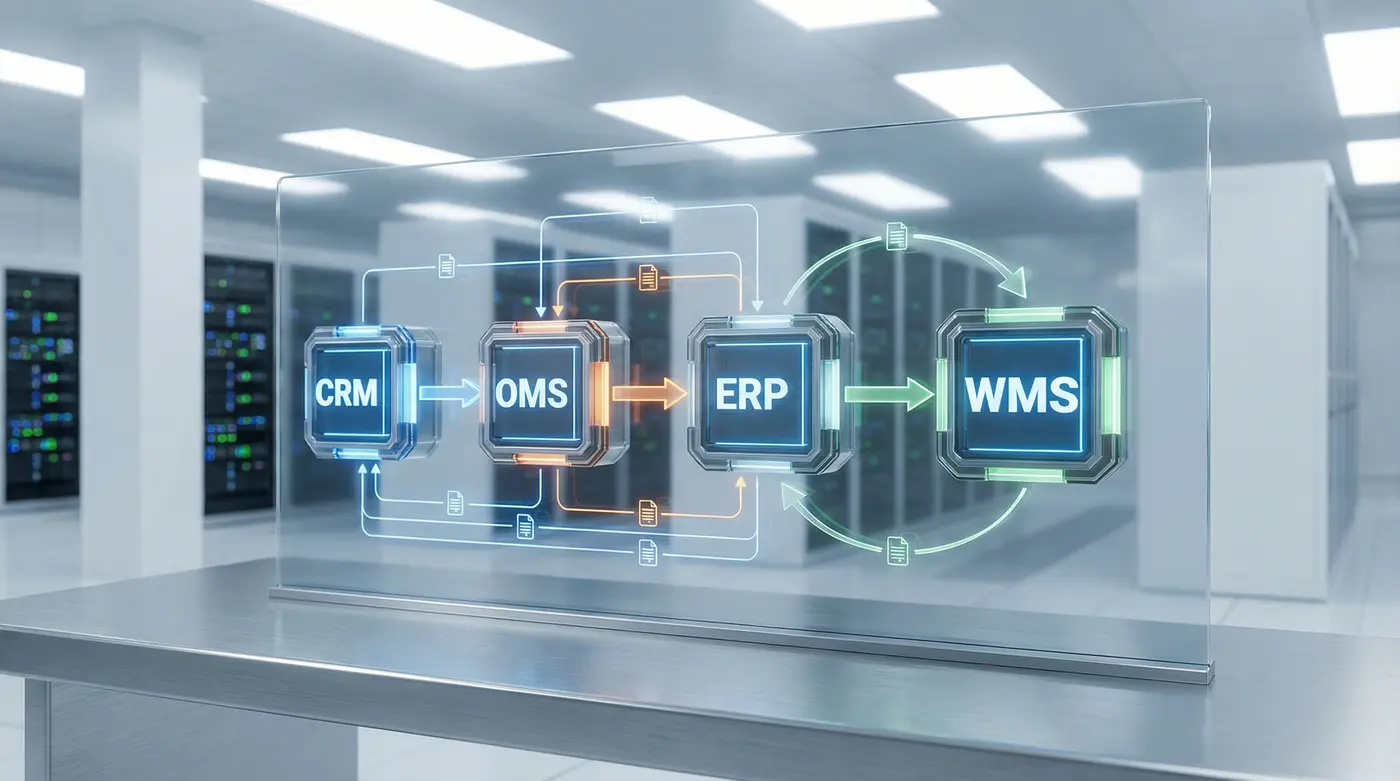
• Use integrated CRM and marketing automation tools
• Conduct joint planning sessions for campaign development
Multi-Channel Integration for Seamless Customer Journeys
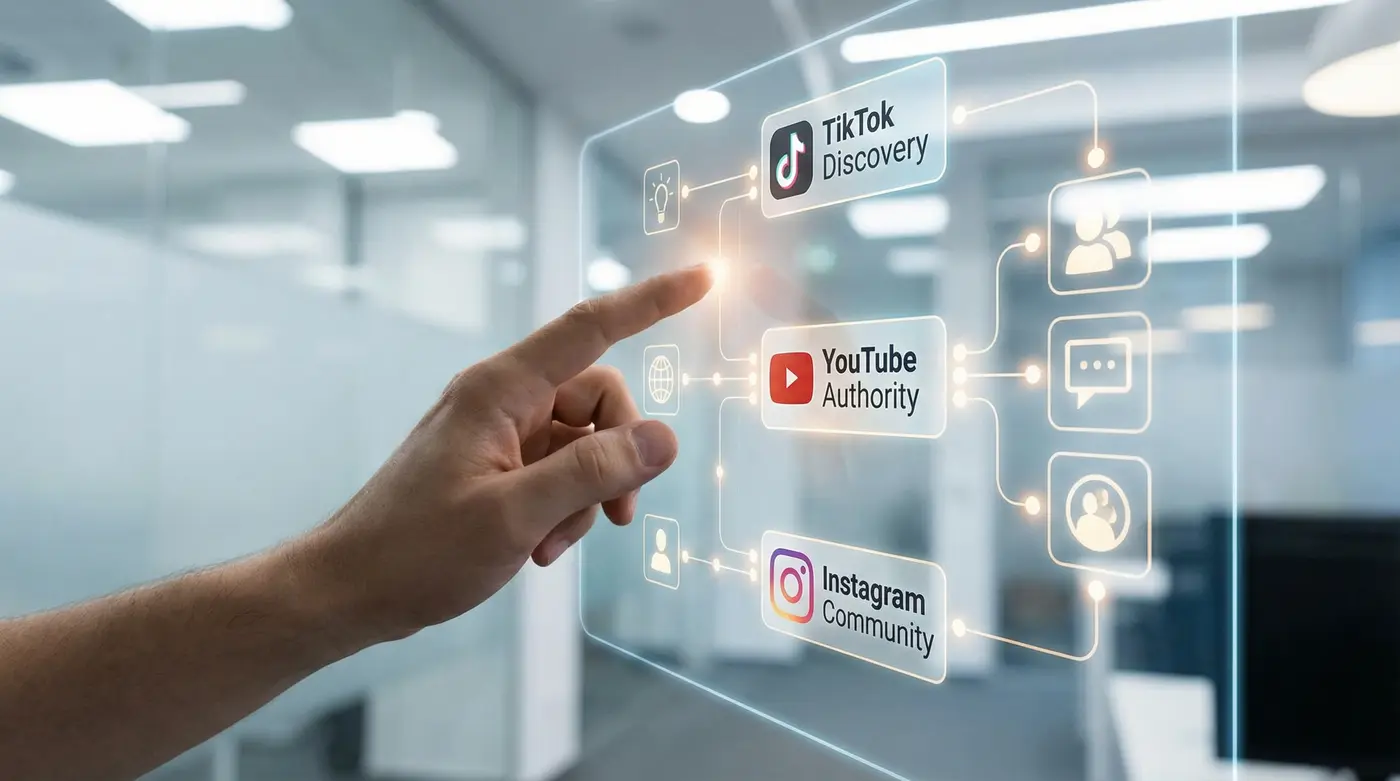
Modern sales funnel optimization requires a multi-channel approach that meets prospects wherever they are most comfortable engaging. This means creating consistent experiences across email, social media, paid advertising, content marketing, and direct sales outreach.
Email Marketing Automation as the Funnel Backbone
Email marketing automation serves as the central nervous system of most successful sales funnels. It allows for personalized, timely communication that nurtures prospects through each stage of their journey.
Advanced email automation strategies include:
• Behavioral trigger sequences based on website activity
• Segmentation based on demographic and firmographic data
• Dynamic content that adapts to prospect preferences
• Lead scoring integration that prioritizes hot prospects
• Cross-channel coordination with paid advertising and social media
Social Media and Paid Advertising Integration
Social media and paid advertising should work in concert with your email marketing automation to create multiple touchpoints throughout the customer journey. This omnichannel approach increases brand recall and provides multiple opportunities for engagement.
Effective integration tactics include:
• Retargeting email subscribers with relevant social media ads
• Using social proof from one channel to enhance credibility on others
• Creating consistent messaging themes across all paid channels
• Leveraging lookalike audiences based on email subscriber data
• Coordinating content calendars across all marketing channels
Leveraging AI and Automation for Intelligent Funnel Management
Artificial intelligence and marketing automation tools have revolutionized sales funnel optimization by enabling real-time personalization, predictive analytics, and automated decision-making at scale.
Real-Time Personalization
AI-powered personalization goes beyond inserting first names into emails. Modern systems can analyze prospect behavior, predict preferences, and deliver customized content recommendations that significantly improve engagement rates.
Advanced personalization features include:
• Dynamic website content that adapts to visitor behavior
• Predictive lead scoring that identifies purchase intent
• Automated content recommendations based on past engagement
• Personalized send time optimization for email campaigns
• Real-time chat responses based on prospect characteristics
Lead Scoring and Priority Management
Intelligent lead scoring systems help sales teams focus their efforts on prospects most likely to convert. By analyzing behavioral data, demographic information, and engagement patterns, these systems can predict which leads deserve immediate attention. Many organizations enhance this with AI CRM integrations.
Effective lead scoring considers:
• Website pages visited and time spent on each page
• Email engagement rates and content preferences
• Social media interactions and content sharing
• Form submissions and content downloads
• Company size, industry, and technology stack
Content Strategy for Each Funnel Stage
Content remains the fuel that powers every stage of your sales funnel optimization efforts. However, the type, format, and messaging of content must align with where prospects are in their buying journey.
Awareness Stage Content
Awareness stage content should focus on education and problem identification rather than product promotion. The goal is to establish thought leadership and build trust with prospects who may not yet realize they need your solution.
Effective awareness content includes:
• Industry research reports and trend analyses
• How-to guides that address common challenges
• Thought leadership articles on industry developments
• Social media content that sparks meaningful conversations
• Educational webinars and podcast appearances
Consideration Stage Content
Consideration stage content should help prospects evaluate different approaches to solving their problems. This is where you can begin introducing your methodology and expertise while still focusing on education over promotion. Many companies improve this stage by leveraging automation for conversion improvement.
Consideration stage assets include:
• Comparison guides that evaluate different approaches
• Case studies that demonstrate successful outcomes
• ROI calculators and assessment tools
• Demo videos that showcase your solution in action
• Expert interviews and customer success stories
Decision Stage Content
Decision stage content should remove final objections and provide clear next steps for moving forward. This content is more promotional but should still provide genuine value to prospects.
Decision stage content includes:
• Detailed pricing information and package comparisons
• Implementation timelines and success metrics
• Customer testimonials and reference stories
• Risk mitigation strategies and guarantees
• Clear proposal templates and next step processes
Analytics and KPIs: Measuring What Matters
Effective sales funnel optimization requires continuous measurement and refinement based on data-driven insights. The key is focusing on metrics that directly correlate with revenue growth rather than vanity metrics that look impressive but don’t drive business results.
Stage-Specific Conversion Metrics
Each funnel stage requires different metrics to accurately assess performance and identify optimization opportunities. Tracking stage-specific conversions helps pinpoint exactly where prospects are dropping off and why.
Critical conversion metrics include:
• TOFU: Website traffic, content engagement, and lead magnet downloads
• MOFU: Email open rates, content consumption, and sales-qualified leads
• BOFU: Proposal requests, demo completions, and close rates
• Post-funnel: Customer satisfaction scores, expansion revenue, and referral rates
Revenue-Focused KPIs
While conversion metrics help optimize individual funnel stages, revenue-focused KPIs provide the big picture view of funnel performance and business impact.
Essential revenue KPIs include:
• Customer Acquisition Cost (CAC) and Customer Lifetime Value (LTV)
• Sales cycle length and average deal size
• Monthly recurring revenue growth and churn rates
• Pipeline velocity and forecast accuracy
• Return on marketing investment and channel performance
Post-Purchase Optimization: Turning Customers into Advocates
The most successful sales funnel optimization strategies recognize that the customer journey doesn’t end at purchase. Post-purchase optimization focuses on maximizing customer lifetime value through retention, expansion, and advocacy.
Customer Success and Retention
Customer success programs ensure that new customers achieve their desired outcomes while identifying opportunities for expansion. Proactive success management can reduce churn by up to 2.3% while increasing expansion revenue opportunities.
Effective customer success strategies include:
• Structured onboarding programs with clear milestones
• Regular check-ins and value realization assessments
• Usage monitoring and intervention protocols
• Educational resources and best practice sharing
• Success story documentation and case study development
Referral and Advocacy Programs
Satisfied customers are your best source of new business, with referral leads converting 3-4x better than other lead sources while costing significantly less to acquire. Formal referral programs provide structure and incentives for customer advocacy.
Successful referral programs include:
• Clear value propositions for both referrer and referee
• Simple referral processes with tracking and attribution
• Multiple referral opportunities throughout the customer lifecycle
• Recognition programs that celebrate customer advocates
• Integration with CRM systems for proper tracking and follow-up
Practical Frameworks for Implementation
Implementing comprehensive sales funnel optimization can feel overwhelming, but breaking it down into manageable frameworks makes the process more achievable and measurable.
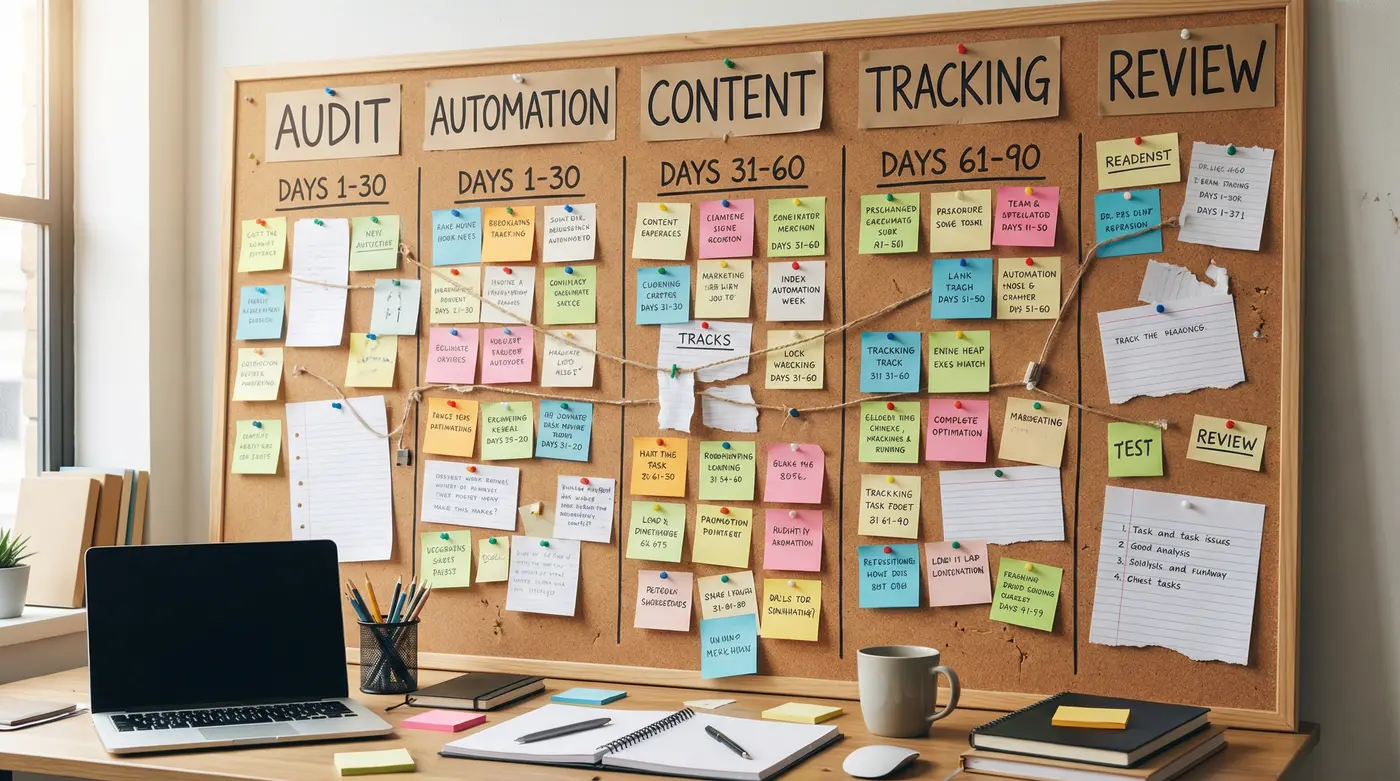
The 90-Day Quick Win Framework
Start with high-impact, low-effort optimizations that can show results within 90 days:
• Audit current funnel performance and identify biggest bottlenecks
• Implement basic email marketing automation sequences
• Create stage-appropriate content for your three biggest gaps
• Set up proper tracking and attribution systems
• Establish weekly review processes for continuous optimization
The Six-Month Transformation Framework
Build on quick wins with more comprehensive optimizations:
• Implement advanced segmentation and personalization
• Integrate multiple marketing channels for omnichannel experiences
• Develop comprehensive content libraries for each funnel stage
• Deploy AI-powered lead scoring and priority management
• Create formal sales and marketing alignment processes
Real-World Success Stories
Learning from companies that have successfully implemented sales funnel optimization provides valuable insights and inspiration for your own efforts.
Case Study: SaaS Company Doubles Revenue
A mid-market SaaS company implemented comprehensive sales funnel optimization by focusing on three key areas: lead scoring automation, content personalization, and post-purchase expansion. Within 12 months, they achieved:
• 127% increase in qualified leads
• 43% reduction in sales cycle length
• 89% increase in customer lifetime value
• 156% growth in overall revenue
The key to their success was treating sales funnel optimization as an ongoing process rather than a one-time project. They established weekly optimization reviews, monthly strategy adjustments, and quarterly comprehensive assessments.
Case Study: Professional Services Firm Scales Growth
A professional services firm specializing in financial consulting used business automation and email marketing automation to scale their high-ticket sales process. Their results included:
• 78% increase in qualified consultation requests
• 34% improvement in consultation-to-client conversion rates
• 67% reduction in manual follow-up time
• 145% growth in annual recurring revenue
Their success came from implementing sophisticated nurture sequences that educated prospects about complex financial topics while building trust and credibility throughout the extended sales cycle. Their process became more scalable after applying principles similar to those found in AI-enabled shared services.
Getting Started with Sales Funnel Optimization
The key to successful sales funnel optimization is starting with a clear understanding of your current performance and focusing on the areas with the biggest potential impact. Begin by conducting a comprehensive audit of your existing funnel, identifying bottlenecks, and prioritizing improvements based on potential ROI.
Remember that sales funnel optimization is not a one-time project but an ongoing process of testing, measuring, and refining. Companies that embrace this mindset and commit to continuous improvement see the most dramatic and sustainable results.
If you’re ready to transform your sales funnel into a predictable revenue-generating system, consider partnering with experts who specialize in done-for-you marketing automation and funnel optimization. The right partnership can accelerate your results while ensuring you implement best practices from day one.
Ready to double your revenue through strategic sales funnel optimization? Contact our team to learn how our data-driven approach to marketing automation tools and business automation can transform your customer acquisition and retention processes.