How AI Business Assistants Transform Entrepreneurial Growth Through Smart Automation and Sales
The entrepreneurial landscape has fundamentally shifted. While traditional business owners once relied on large teams and substantial overhead to scale their operations, today’s growth-minded entrepreneurs are leveraging AI business assistant for entrepreneurs to achieve remarkable results with lean resources. This transformation isn’t just about adopting new technology, it’s about fundamentally reimagining how businesses operate, compete, and thrive in an increasingly digital marketplace.
Modern entrepreneurs face unprecedented challenges: rising customer acquisition costs, intensifying competition from both startups and established players, and the constant pressure to deliver personalized experiences at scale. Yet those who embrace AI-powered automation are discovering they can not only compete with larger organizations but often outmaneuver them through superior efficiency, responsiveness, and cost-effectiveness.
Why AI Business Assistants Are Essential for Modern Entrepreneurs
The statistics tell a compelling story about the current state of AI adoption in business. Research indicates that 78% of professionals are planning to implement AI agents in their operations, while 67% of business leaders expect AI-driven transformation within the next two years. However, only 1% of companies consider their AI maturity level high, revealing a massive opportunity for forward-thinking entrepreneurs.
An AI business assistant for entrepreneurs serves as a force multiplier, handling repetitive tasks that once consumed valuable time and mental energy. These intelligent systems can manage email outreach, qualify leads, schedule appointments, create content, analyze performance data, and even conduct initial customer service interactions. The result is a dramatic increase in operational efficiency that allows entrepreneurs to focus on strategic decision-making and relationship building.
The competitive advantage extends beyond mere efficiency gains. AI assistants operate 24/7 without breaks, sick days, or vacation time. They can simultaneously handle multiple conversations, analyze vast amounts of data in seconds, and maintain consistent brand messaging across all touchpoints. For entrepreneurs competing against larger organizations with extensive human resources, this technological leverage becomes a crucial equalizer.
Cost savings represent another significant benefit. Traditional business scaling often requires proportional increases in staffing costs, office space, and management overhead. AI assistants eliminate many of these scaling challenges by automating functions that would otherwise require multiple full-time employees. A single entrepreneur can now manage operations that previously demanded a team of specialists.
Top AI Business Assistant Platforms Revolutionizing Entrepreneurship
The AI assistant landscape has evolved rapidly, with specialized platforms emerging to address specific business functions and industry needs. Understanding the strengths and applications of leading platforms helps entrepreneurs make informed decisions about their technology stack.
Jasper has established itself as a premier content creation platform, enabling entrepreneurs to produce high-quality blog posts, email campaigns, social media content, and advertising copy at unprecedented speed. Its ability to maintain brand voice consistency while generating diverse content types makes it invaluable for businesses that rely on content marketing and thought leadership.
Reply.io’s Jason AI represents a breakthrough in sales automation, functioning as an end-to-end sales agent that identifies prospects, crafts personalized outreach campaigns, manages multi-channel communication across email, LinkedIn, SMS, and WhatsApp, and even handles initial prospect responses. This comprehensive approach to sales automation is particularly powerful for service-based businesses and agencies that depend on consistent lead generation.
ChatGPT and Gemini offer versatile capabilities that extend across multiple business functions. ChatGPT excels at complex problem-solving, content creation, and strategic planning, while Gemini’s deep integration with Google Workspace makes it ideal for businesses heavily invested in Google’s ecosystem. Both platforms provide the flexibility to handle diverse tasks while maintaining conversational intelligence that feels natural to users.
Enso represents the next generation of specialized business automation, offering over 1,000 industry-specific AI agents designed for marketing, sales, SEO, competitor analysis, and financial management. This platform’s strength lies in its pre-configured solutions that require minimal setup while delivering sophisticated automation capabilities.
Qeen.ai focuses specifically on e-commerce automation, providing AI-powered content generation, conversational sales support, and marketing optimization. For entrepreneurs in retail or product-based businesses, this specialized focus delivers more targeted functionality than general-purpose platforms.
Automating Sales Funnels and Multi-Channel Outreach
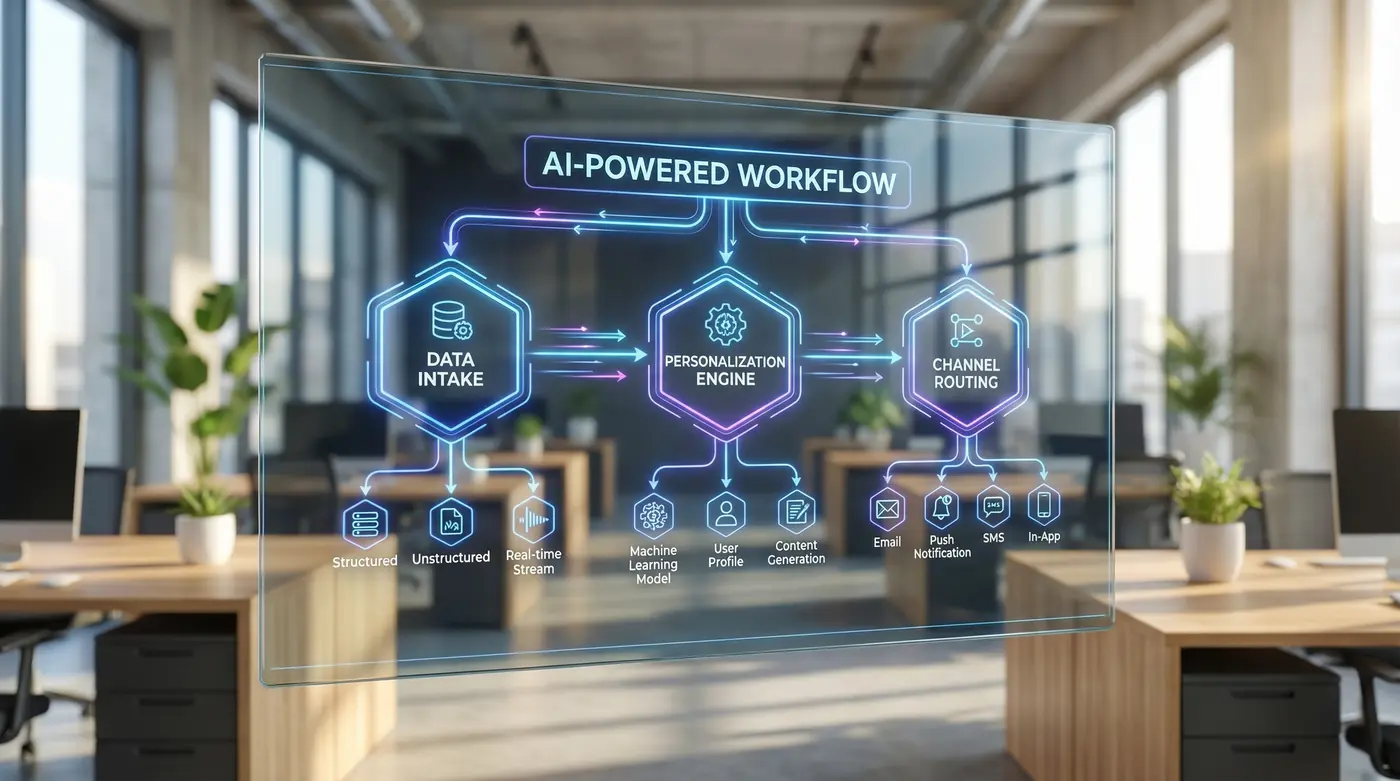
Modern sales funnel optimization demands sophisticated coordination across multiple channels and touchpoints. AI business assistants excel at managing these complex workflows while maintaining personalization at scale. The integration of AI into sales funnel automation represents one of the most transformative applications of this technology.
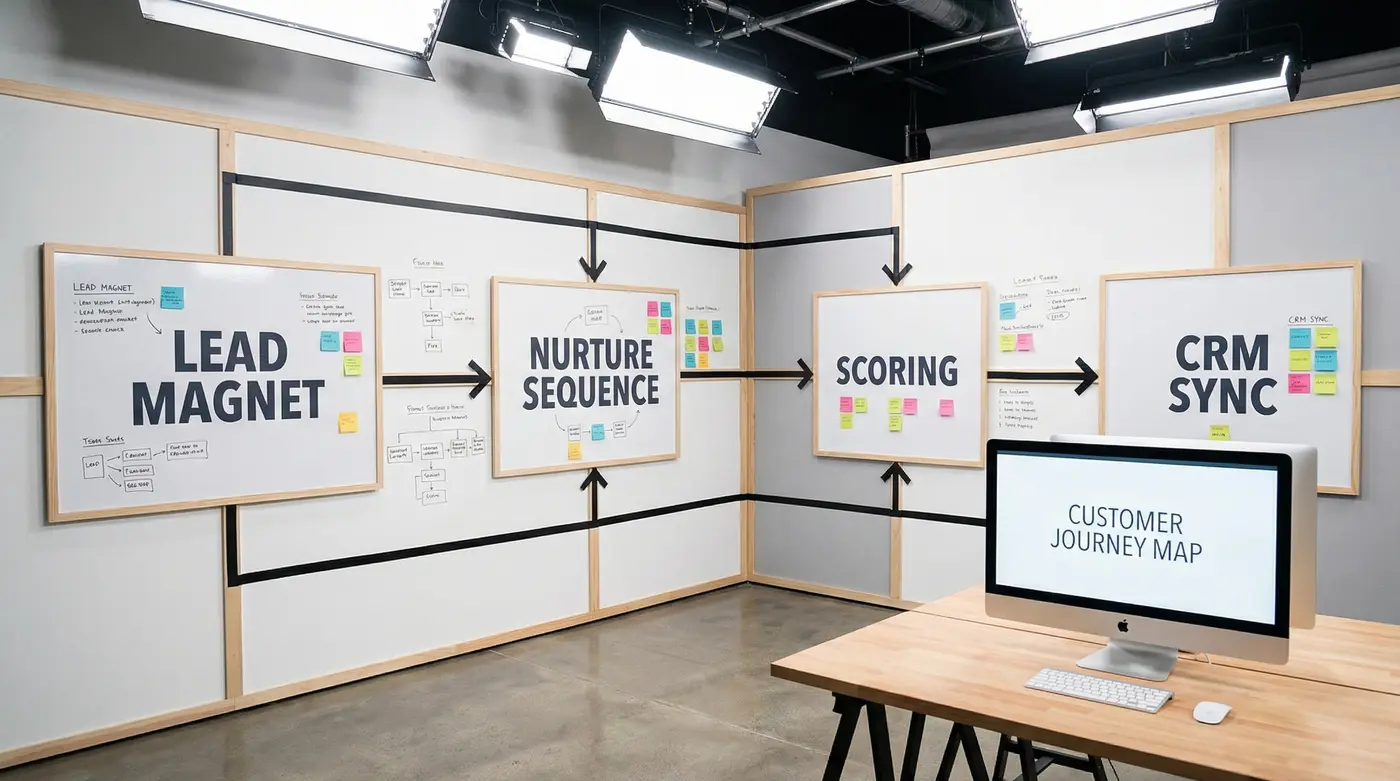
Effective funnel automation begins with intelligent lead scoring and segmentation. AI assistants analyze prospect behavior, engagement patterns, and demographic data to automatically categorize leads and trigger appropriate follow-up sequences. This ensures that high-potential prospects receive immediate attention while lower-priority leads are nurtured through automated campaigns.

Multi-channel outreach coordination becomes seamless with AI assistance. Rather than managing separate campaigns across email, social media, and direct messaging platforms, entrepreneurs can deploy unified strategies that maintain consistent messaging while adapting to each platform’s unique characteristics. AI assistants track engagement across all channels and adjust timing, frequency, and messaging based on individual prospect preferences.
CRM integration amplifies these capabilities by ensuring that all prospect interactions are automatically logged, analyzed, and acted upon. Advanced AI assistants can identify patterns in successful conversions and automatically adjust outreach strategies to replicate winning approaches. This continuous optimization leads to steadily improving conversion rates without requiring manual intervention.
The sophistication of modern AI allows for dynamic personalization that goes far beyond simple name insertion. AI assistants can craft messages that reference specific industry challenges, recent company news, mutual connections, or relevant content consumption patterns. This level of personalization, previously possible only through extensive manual research, now happens automatically at scale.
Industry-Specific AI Solutions for Targeted Markets
The most effective AI implementations often involve specialized solutions designed for specific industries or business models. Understanding how AI business assistant for entrepreneurs can be customized for different sectors helps in selecting the most appropriate tools and strategies.
Real estate professionals benefit enormously from AI assistants that can manage property listings, conduct initial buyer qualification, schedule showings, and provide market analysis. These systems can automatically update listing information across multiple platforms, respond to basic inquiries about properties, and even conduct virtual property tours using advanced chatbot technology.
Financial services entrepreneurs leverage AI for client onboarding, risk assessment, portfolio analysis, and regulatory compliance monitoring. AI assistants can automatically gather required documentation, conduct preliminary risk evaluations, and maintain ongoing compliance monitoring that alerts human advisors to potential issues before they become problems.
E-commerce businesses deploy AI for inventory management, customer service, personalized product recommendations, and dynamic pricing optimization. These systems can automatically adjust pricing based on competitor analysis, manage customer inquiries across multiple channels, and create personalized shopping experiences that increase average order values.
Luxury service providers, including high-end coaches and consultants, use AI to manage client communications, schedule premium services, and maintain the white-glove experience their clientele expects. AI assistants can handle routine communications while ensuring that all interactions maintain the sophistication and attention to detail that luxury markets demand.

The key to successful industry-specific implementation lies in selecting AI solutions that understand the unique workflows, compliance requirements, and customer expectations of each sector. Generic AI tools often require extensive customization to deliver optimal results in specialized markets.
Best Practices for AI Assistant Selection and Implementation
Successful AI implementation requires strategic planning and careful attention to integration details. The most common implementation failures result from poor tool selection, inadequate onboarding, or insufficient integration with existing business processes.
Tool selection should begin with a comprehensive audit of current business processes and identification of the highest-impact automation opportunities. Rather than attempting to automate everything simultaneously, successful entrepreneurs focus on specific pain points that consume disproportionate amounts of time or create bottlenecks in their operations.
Integration capabilities deserve careful evaluation during the selection process. AI assistants that cannot seamlessly connect with existing CRM systems, communication platforms, or data sources often create more problems than they solve. The most effective implementations involve AI tools that enhance existing workflows rather than requiring complete process overhauls.
Team training and change management represent critical success factors that are often overlooked. Even the most sophisticated AI assistant requires human oversight and optimization. Successful implementations include comprehensive training programs that help team members understand how to effectively collaborate with AI systems and identify opportunities for continuous improvement.
Data quality and management practices significantly impact AI effectiveness. AI assistants perform best when working with clean, well-organized data. Implementing proper data hygiene practices before deploying AI tools ensures optimal performance and prevents the amplification of existing data quality issues.
Security and privacy considerations must be addressed proactively, particularly for businesses handling sensitive client information or operating in regulated industries. Understanding data handling practices, security protocols, and compliance capabilities of AI platforms helps prevent potential issues before they arise.
Overcoming Common Implementation Challenges
Despite the tremendous potential of AI business assistants, entrepreneurs frequently encounter predictable challenges during implementation. Understanding these common obstacles and their solutions helps ensure successful deployment and adoption.
Technology stack compatibility issues arise when new AI tools cannot effectively integrate with existing systems. Research indicates that 86% of enterprises require tech stack upgrades to fully leverage AI capabilities. Entrepreneurs can address this challenge by conducting thorough compatibility assessments before making tool selections and budgeting for necessary infrastructure improvements.
Knowledge gaps represent another significant barrier, with 52% of workers citing insufficient understanding as an obstacle to AI adoption. This challenge requires proactive education and training initiatives that help team members understand not just how to use AI tools, but how to optimize their effectiveness and identify new automation opportunities.
Maintaining appropriate human oversight while maximizing automation benefits requires careful balance. Over-automation can lead to loss of personal touch and customer connection, while under-automation fails to capture available efficiency gains. Successful implementations establish clear guidelines about when human intervention is required and ensure that AI assistants enhance rather than replace human judgment in critical areas.
Quality control and brand consistency become more complex when AI systems generate customer-facing content or communications. Implementing robust review processes and establishing clear brand guidelines for AI-generated content helps maintain quality standards while capturing automation benefits.
Future Trends Shaping AI Business Assistance
The AI assistant landscape continues evolving rapidly, with several emerging trends that will significantly impact how entrepreneurs leverage these technologies in the coming years.
Multimodal AI assistants that can process and generate text, images, audio, and video content are becoming increasingly sophisticated. This capability enables more natural and comprehensive business interactions, from creating complete marketing campaigns to conducting video-based customer consultations.
Autonomous AI agents represent the next frontier in business automation. These advanced systems can execute complex, multi-step workflows with minimal human supervision. Early examples include AI agents that can conduct complete sales cycles, from initial prospect identification through contract negotiation and closing.
AI agent marketplaces are emerging as centralized platforms where entrepreneurs can access pre-trained, industry-specific AI solutions. These marketplaces reduce implementation complexity and enable rapid deployment of specialized capabilities without requiring extensive customization or technical expertise.
Predictive analytics integration is becoming standard in AI business assistants, enabling proactive decision-making and opportunity identification. Advanced systems can anticipate customer needs, predict market trends, and recommend strategic adjustments before issues become apparent through traditional metrics.
Creating Your AI Implementation Action Plan
Successful AI adoption requires systematic planning and phased implementation that allows for learning and optimization along the way. The most effective approach involves starting with specific, high-impact use cases and gradually expanding AI integration as capabilities and confidence grow.
Begin by conducting a comprehensive process audit to identify tasks that consume significant time but don’t require complex human judgment. Common starting points include email management, appointment scheduling, basic customer inquiries, and routine data entry or analysis tasks.
Establish clear success metrics before implementation begins. These might include time savings, cost reduction, lead generation improvements, or customer satisfaction scores. Having specific, measurable goals helps evaluate AI effectiveness and guides optimization efforts.
Plan for iterative improvement rather than expecting immediate perfection. AI assistants improve through use and feedback, so initial implementations should include regular review and optimization cycles. This approach allows for continuous refinement and helps identify additional automation opportunities.
Consider the broader business automation strategy when selecting individual AI tools. The most effective implementations involve AI assistants that can work together seamlessly, sharing data and coordinating activities across different business functions.
The Strategic Role of Professional Guidance
While AI tools are becoming more accessible, the strategic implementation of comprehensive AI business assistant systems often benefits from professional expertise. Digital marketing consulting services play a crucial role in helping entrepreneurs navigate the complex landscape of AI options and develop implementation strategies that align with specific business goals.
Experienced consultants bring valuable perspective on tool selection, integration challenges, and optimization strategies developed through working with multiple clients across diverse industries. This expertise can significantly accelerate implementation timelines and help avoid common pitfalls that delay or derail AI adoption initiatives.
The complexity of modern AI ecosystems, combined with the rapid pace of technological advancement, makes professional guidance increasingly valuable for entrepreneurs who want to maximize their AI investment while maintaining focus on core business activities.
Ready to transform your business with AI-powered automation? Our team specializes in helping growth-focused entrepreneurs implement comprehensive AI business assistant solutions that drive measurable results. Contact us today to discuss how we can help you leverage AI to double your business growth while reducing operational complexity and costs.
The future of entrepreneurial success increasingly depends on the strategic deployment of AI business assistants that amplify human capabilities while automating routine tasks. Entrepreneurs who embrace these technologies thoughtfully and systematically position themselves for sustained competitive advantage in an increasingly automated business environment.