AI Implementation for Online Business: Your Complete Guide to Scalable Growth and Personalization
Why AI Has Become Essential for Online Business Success
The landscape of online business has fundamentally shifted. What was once considered cutting-edge technology reserved for tech giants has become a necessity for survival and growth. AI implementation for online business is no longer optional, it’s the baseline requirement for competing effectively in today’s market.
Consumer expectations have evolved dramatically. Today’s customers demand personalized experiences, instant responses, and seamless interactions across all touchpoints. They expect your business to recognize their preferences, remember their purchase history, and anticipate their needs. Without AI powering these capabilities, you’re essentially fighting with outdated weapons in a modern battlefield.
The statistics tell a compelling story. By 2026, 87% of retailers report positive revenue impact from AI, while 95% of eCommerce brands using AI see strong returns on investment. Companies implementing AI solutions experience 15-30% higher conversion rates, 20-40% increased customer lifetime value, and operational cost reductions of up to 60%.
The Competitive Reality
Businesses that resist AI adoption face severe disadvantages. They’re stuck with generic user experiences that turn off modern consumers, manual processes that inflate operational costs, and underutilized data that could otherwise drive strategic insights. As AI becomes the industry standard, these laggards are increasingly perceived as outdated and deliver measurably weaker performance.
For online businesses generating $500K to $10M in revenue, AI represents the bridge between current operations and the scalable, efficient systems needed to double growth in 12 months. The question isn’t whether to implement AI, but how quickly and effectively you can do it.
High-Impact AI Use Cases for Online Business Growth
Hyper-Personalization at Scale
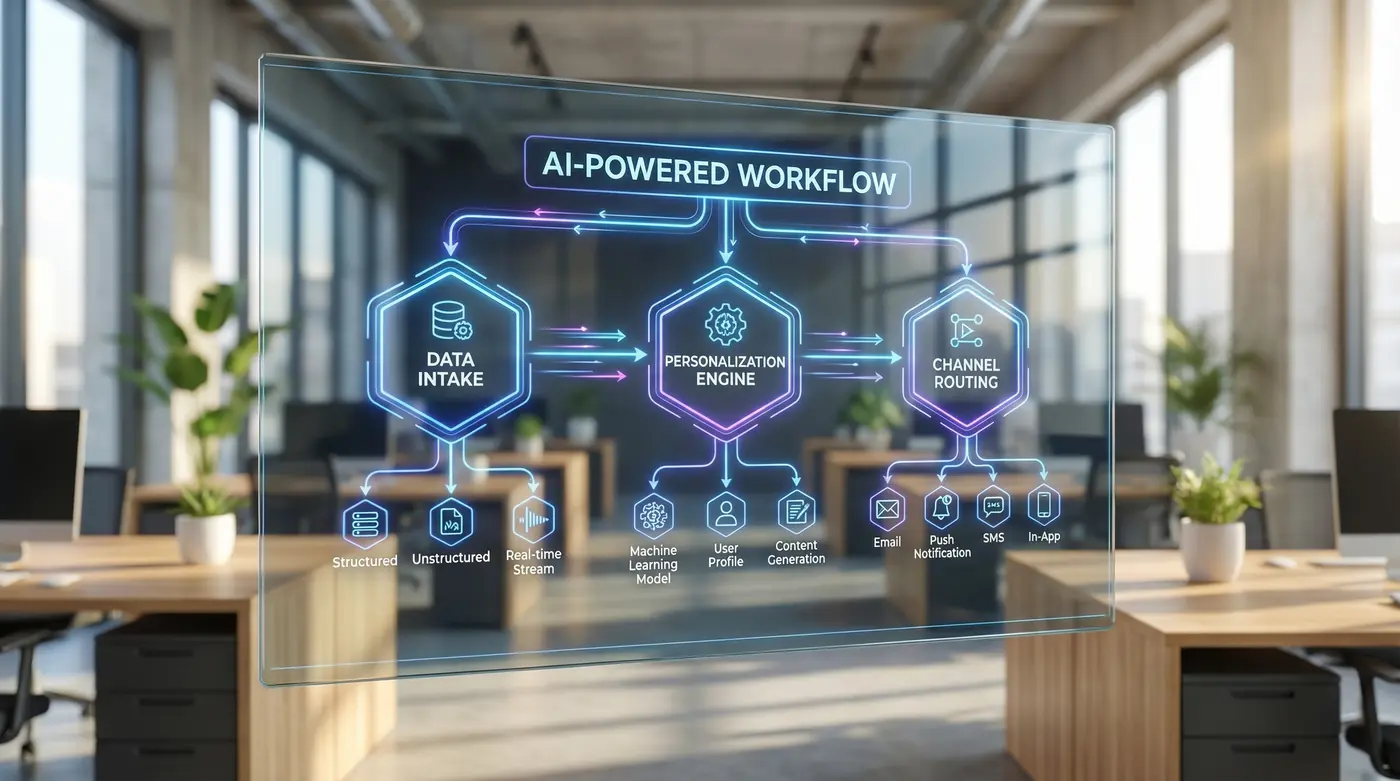
Personalization has evolved far beyond simple product recommendations. Modern AI-powered personalization creates dynamic experiences tailored to individual customer behavior, preferences, and position in the buying journey. This includes personalized homepages, custom offers, tailored content, and dynamic pricing strategies.

Businesses leveraging AI personalization see up to 30% improvements in customer retention and 25% increases in average order value. The technology analyzes browsing patterns, purchase history, engagement data, and real-time signals to deliver precisely relevant experiences that drive conversions.
Intelligent Customer Service and Support
AI assistants for business have revolutionized customer service operations. Modern AI chatbots resolve up to 80% of customer queries automatically, provide 24/7 availability, and seamlessly escalate complex issues to human agents with full context preserved.
The impact is substantial: businesses report 50% reductions in support costs, 25% improvements in customer satisfaction scores, and the ability to handle significantly higher volumes without proportional staff increases. For high-ticket coaching and luxury sectors, AI assistants can qualify leads, schedule consultations, and nurture prospects through sophisticated conversation flows.
Dynamic Pricing and Revenue Optimization
AI-powered dynamic pricing analyzes demand patterns, competitor pricing, inventory levels, and customer segments to optimize pricing in real-time. This sophisticated approach can increase revenue by 5-10% and improve margins by 15-20% without manual intervention.
For online businesses, this means the ability to respond instantly to market conditions, maximize revenue during peak demand periods, and maintain competitiveness without sacrificing profitability.
Predictive Analytics and Demand Forecasting
AI transforms how businesses predict and prepare for future demand. By analyzing sales data, seasonality patterns, promotional impacts, market trends, and even external factors like weather and social sentiment, AI provides accurate forecasts that drive inventory optimization and strategic planning.
Companies implementing AI forecasting see 30-40% reductions in excess inventory, 60-75% decreases in stockouts, and significant improvements in cash flow management.
AI-Powered Sales Funnels and CRM Integration
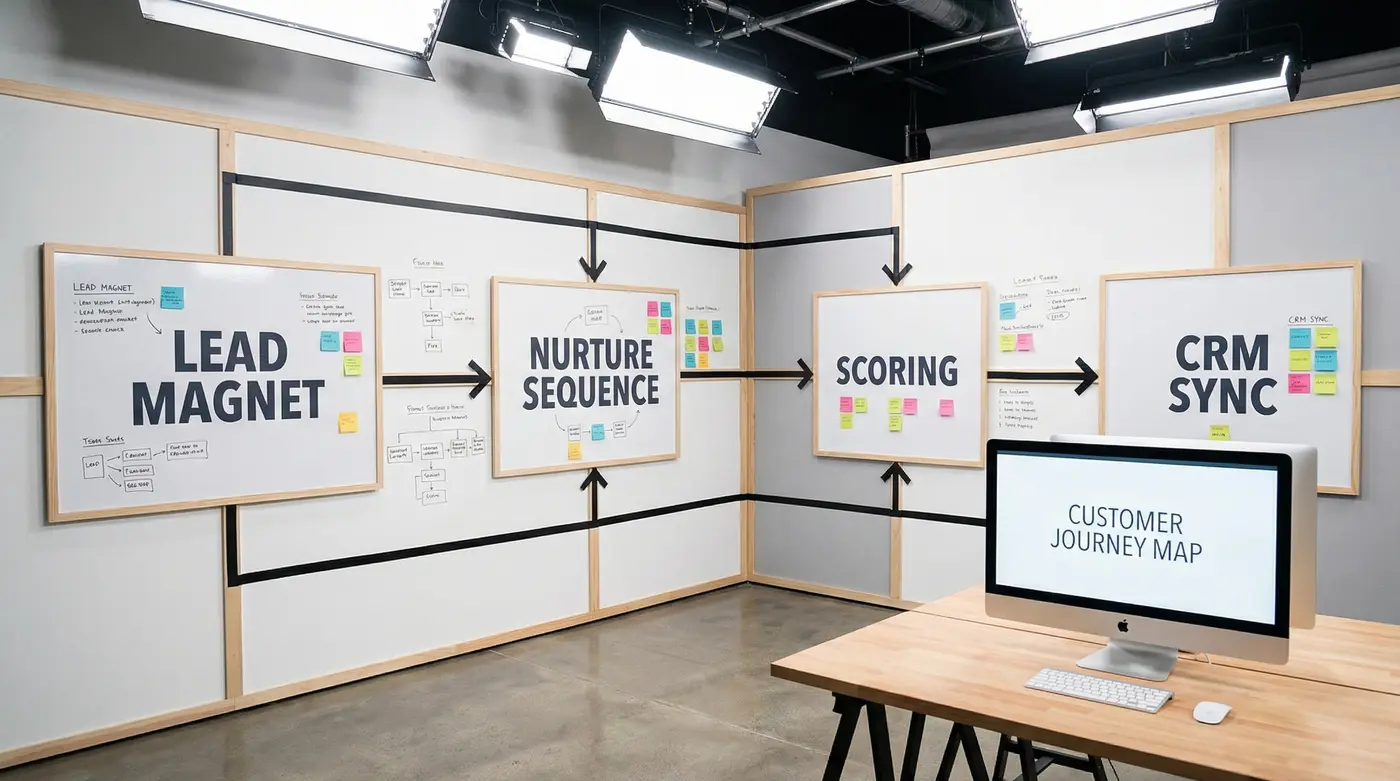
The integration of AI into sales funnels and CRM systems creates powerful automation that drives higher conversions and customer loyalty. AI analyzes customer behavior throughout the funnel, identifies optimization opportunities, and automatically adjusts messaging, offers, and touchpoints to maximize conversion rates.
Intelligent Lead Scoring and Qualification
AI evaluates leads based on multiple data points including demographic information, behavioral patterns, engagement history, and buying signals. This enables sales teams to focus on the highest-probability prospects while ensuring no qualified leads fall through the cracks.
Automated Follow-up and Nurturing
AI-powered email sequences and nurturing campaigns adapt based on recipient behavior, delivering the right message at the right time. This personalized approach increases engagement rates and shortens sales cycles by up to 25%. This section aligns with the AI sales follow-up strategies discussed in depth in our related guide.
Omnichannel Strategy Optimization
AI unifies customer data across all touchpoints, creating a complete view of the customer journey. This enables consistent, personalized experiences whether customers interact through your website, social media, email, or other channels.
A Practical Framework for AI Implementation
Step 1: Assess Data Readiness
Successful AI implementation begins with quality data. Audit your existing data sources including customer information, purchase history, website analytics, email engagement, and inventory data. Identify gaps and inconsistencies that need addressing before AI deployment.
Unify data across all systems to create a single source of truth. This integrated approach ensures AI tools have access to comprehensive information needed for accurate analysis and recommendations.
Step 2: Define Clear Business Objectives
Before selecting AI tools, establish specific, measurable objectives. Whether you’re aiming to increase conversion rates, reduce customer acquisition costs, improve customer lifetime value, or automate operations, clear goals guide tool selection and success measurement.
Step 3: Start with High-Impact, Low-Risk Pilots
Begin AI implementation with focused pilots in areas where you can achieve quick wins and measurable ROI. Popular starting points include:
– AI chatbots for customer service
– Intelligent product recommendations
– Automated email personalization
– Dynamic website content
– Predictive inventory management

Step 4: Choose Scalable, Integrated Solutions
Select AI tools that integrate seamlessly with your existing CMS, CRM, and ERP systems. Prioritize solutions that can grow with your business and support multiple use cases rather than point solutions that create data silos.
Integration Best Practices for Marketing Automation
Successful AI integration requires careful attention to existing systems and workflows. The goal is seamless enhancement, not disruptive replacement.
CRM Integration Strategies
Ensure AI tools can read from and write to your CRM system, maintaining data consistency and enabling automated lead scoring, contact segmentation, and personalized communication triggers. This integration is crucial for businesses looking to monetize your expertise online through sophisticated nurturing sequences. For deeper CRM strategies, explore our advanced CRM integrations guide.
Marketing Automation Enhancement
Layer AI capabilities onto existing marketing automation platforms to create more intelligent workflows. AI can optimize send times, personalize content, predict churn risk, and automatically adjust campaigns based on performance data.
Sales Funnel Optimization
Implement AI at key funnel stages to reduce friction and increase conversions. This includes intelligent form optimization, dynamic pricing displays, personalized product recommendations, and automated objection handling.
Overcoming Common Implementation Challenges
Data Privacy and Compliance
With increasing privacy regulations, ensure your AI implementation includes robust data governance. Strip personally identifiable information before model training, implement clear consent mechanisms, and maintain transparency about data usage.
Change Management
AI implementation often requires workflow changes and staff training. Develop a change management plan that includes employee education, clear communication about AI’s role in enhancing rather than replacing human capabilities, and ongoing support during the transition.
Vendor Selection
Choose AI vendors with proven track records, strong security practices, and integration capabilities that match your technical requirements. Prioritize vendors offering ongoing support and regular model updates.
ROI Measurement
Establish clear metrics for measuring AI success from the outset. Track both leading indicators like engagement rates and lagging indicators like revenue impact to ensure your investment delivers measurable returns.
Real-World Success Stories
Companies across industries are achieving remarkable results through strategic AI implementation. Doe Beauty saved $30,000 weekly using AI-powered inventory automation. BÉIS grew double digits by targeting AI-driven offers at key buying moments. Peter Sheppard Footwear achieved 30% revenue gains through AI-enhanced customer engagement.
These successes share common elements: clear objectives, quality data, integrated implementation, and ongoing optimization. They demonstrate that AI isn’t just for tech companies, it’s a practical growth tool for any online business ready to embrace modern capabilities.
Future Trends Shaping AI in Online Business
Agentic Commerce
By 2028, autonomous AI systems will manage critical business functions including inventory, pricing, and checkout flows with minimal human intervention. This evolution will enable online businesses to operate with greater efficiency while maximizing growth potential.
Generative SEO and Content Optimization
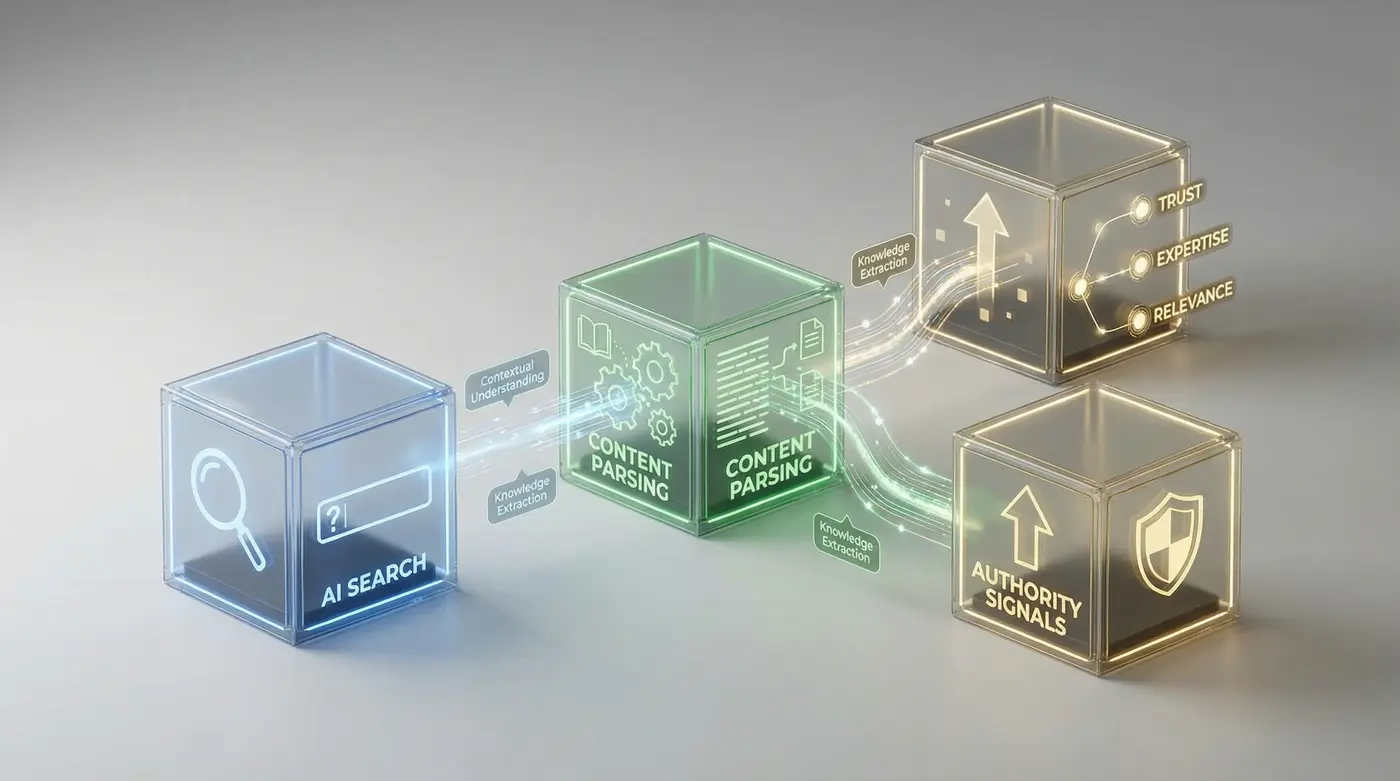
As search engines integrate AI-generated results, businesses must optimize for Generative Engine Optimization (GEO). This requires structured, conversational product data designed for inclusion in AI-powered search summaries.
Immersive Customer Experiences
AI will power increasingly sophisticated virtual shopping experiences, AR product visualization, and voice commerce interfaces that blur the lines between digital and physical retail.
Why Partner with AI Implementation Experts
While AI tools are becoming more accessible, successful implementation requires strategic planning, technical expertise, and ongoing optimization. For entrepreneurs seeking lifestyle flexibility for entrepreneurs, partnering with experienced implementation specialists accelerates results while freeing you to focus on high-level strategy.
Digital marketing agencies specializing in AI implementation bring several advantages:
– Proven frameworks that reduce implementation risk
– Experience across multiple industries and use cases
– Technical expertise for complex integrations
– Ongoing optimization and performance monitoring
– Access to cutting-edge tools and platforms
Getting Started with AI Implementation
The key to successful AI implementation is starting with a clear strategy and realistic expectations. Begin by auditing your current data and systems, identifying high-impact use cases, and selecting pilot projects that can demonstrate quick wins.
Remember that AI implementation is not a one-time project but an ongoing evolution. As your data quality improves and your team becomes comfortable with AI tools, you can expand into more sophisticated applications that drive greater business value.
The competitive advantages of AI are too significant to ignore, and the barriers to entry continue to decrease. The question isn’t whether your online business needs AI, but how quickly you can implement it effectively to accelerate growth and enhance customer experiences.
Ready to implement AI solutions that drive measurable growth for your online business? Our team specializes in strategic AI implementation for companies generating $500K-$10M in revenue. From intelligent sales funnels to automated personalization, we help you leverage AI to double your growth in 12 months. Contact us today to discover how AI can transform your business operations and customer experiences.