The Best Automation Tools for Online Entrepreneurs: How to Scale Smarter, Not Harder
Online entrepreneurs today face an unprecedented challenge: scaling their businesses efficiently while maintaining quality customer experiences across multiple channels. The solution lies in strategic automation that works smarter, not harder. This comprehensive guide explores the most effective automation tools for online entrepreneurs and how to implement them for maximum growth impact.
Why Automation is Mission-Critical for Modern Online Entrepreneurs
The digital landscape has fundamentally shifted. Customer expectations have skyrocketed, competition has intensified, and manual processes simply cannot keep pace with growth demands. Successful online entrepreneurs understand that automation for small businesses is no longer optional, it is essential for survival and scale.
Automation delivers four critical advantages that directly impact your bottom line. First, cost reduction occurs through decreased labor costs and improved operational efficiency. Studies show that businesses implementing comprehensive automation strategies reduce operational costs by 20-40% within the first year. Second, scalability becomes achievable as automated systems handle increased volume without proportional increases in resources or overhead.
Third, customer satisfaction improves dramatically when automation delivers consistent, timely responses and personalized experiences at scale. Finally, operational efficiency increases as team members focus on high-value strategic work rather than repetitive tasks.
Essential Automation Tool Categories Every Entrepreneur Needs
Modern online businesses require automation across five core categories to achieve optimal performance and growth. Understanding these categories helps entrepreneurs build comprehensive automation stacks that work together seamlessly.
Customer Support Automation
Customer support automation transforms how businesses handle inquiries, complaints, and service requests. Tools like eDesk excel in e-commerce environments with native integration across 250+ marketplaces and online stores. Its AI-powered ticket suggestions and real-time order context within tickets enable support teams to resolve issues faster while maintaining personal touch.
Gorgias stands out for its ability to turn support interactions into revenue opportunities. Agents can process refunds, modify orders, and update shipping directly from the support interface, creating seamless customer experiences that drive retention and additional sales.
Marketing Automation
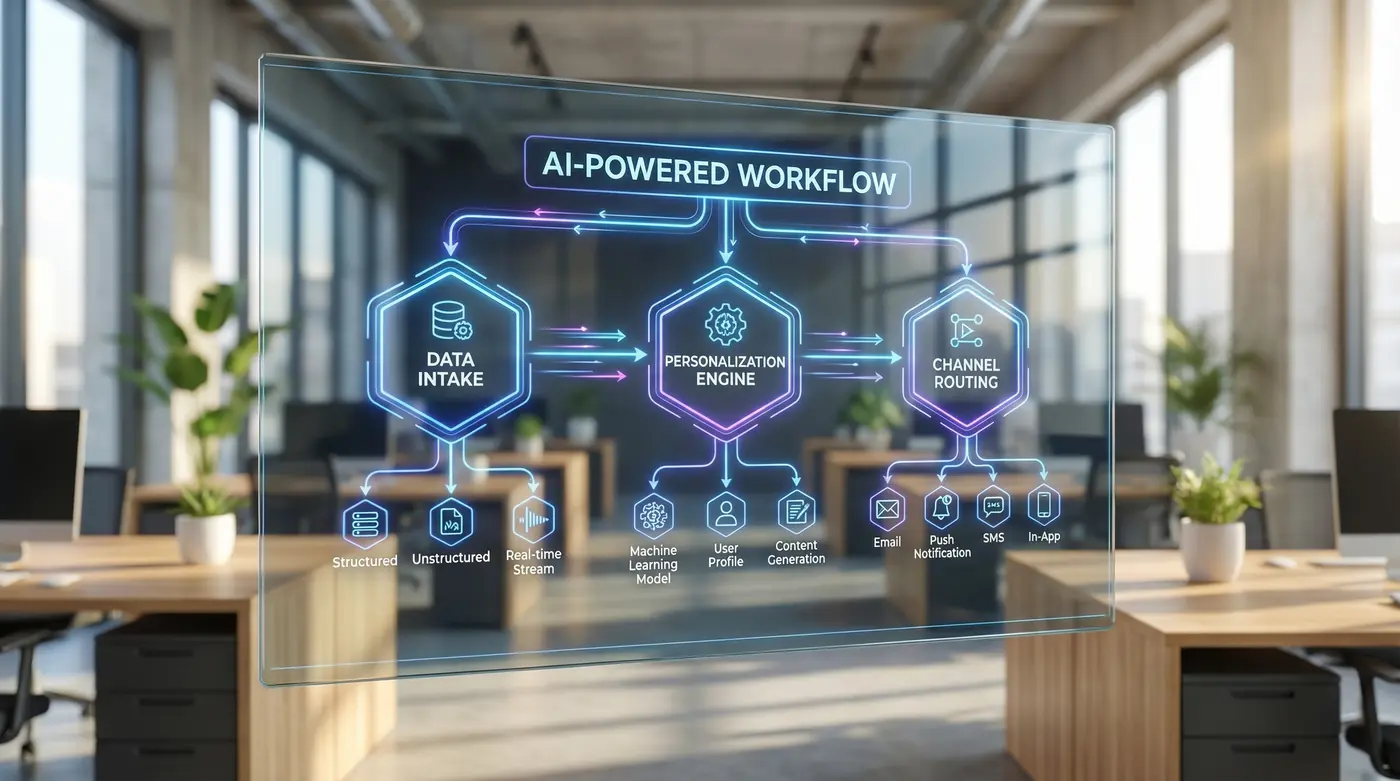
Email marketing automation remains one of the highest ROI activities for online entrepreneurs. Klaviyo leads this space by transforming basic email campaigns into sophisticated revenue drivers through zero-party data capture, behavioral segmentation, and predictive analytics. Its tight integration with ecommerce platforms enables automated flows that respond to customer actions in real-time.
SMS automation through platforms like SlickText delivers exceptional open rates exceeding 90%, making it ideal for urgent offers and time-sensitive communications. The combination of email and SMS automation creates multi-channel nurture sequences that significantly improve conversion rates.
Sales Funnel Management
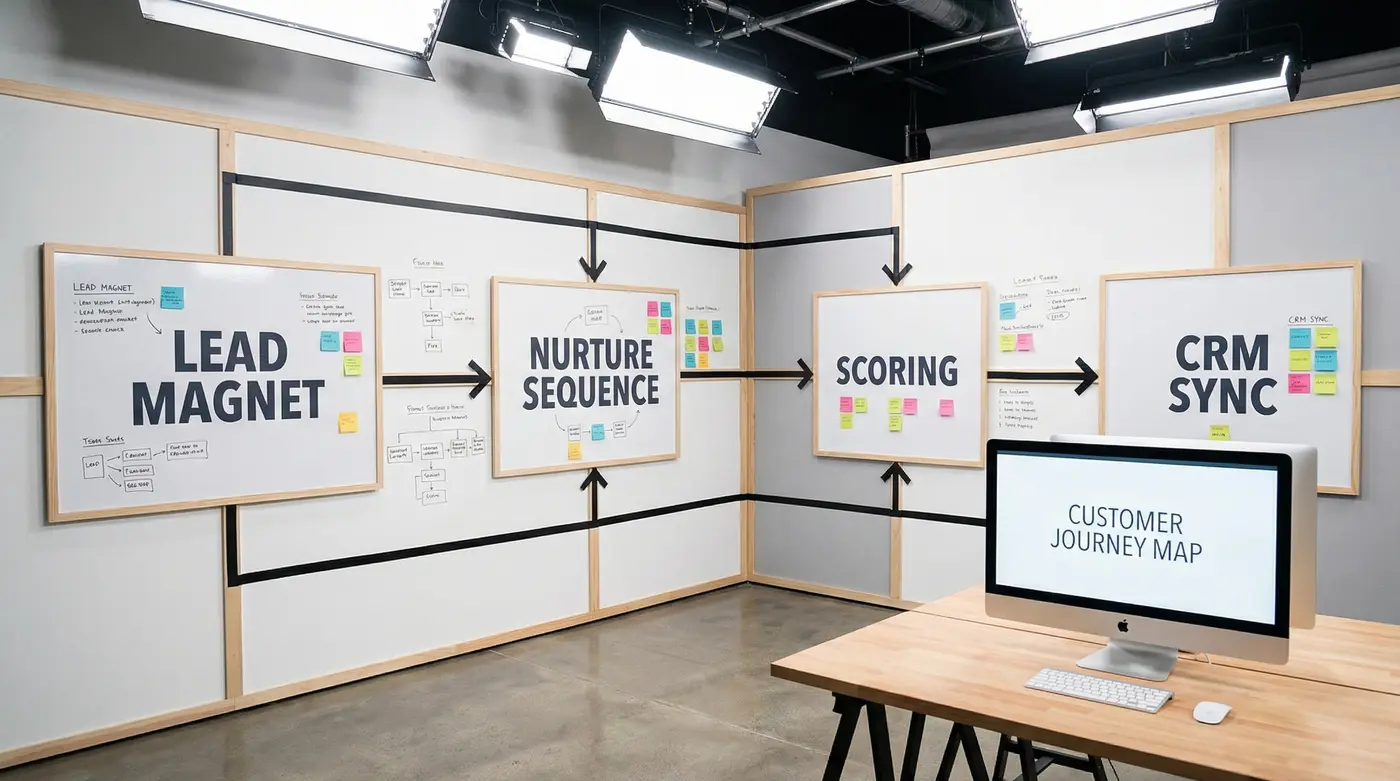
Effective sales funnel optimization tips always include automation at critical conversion points. HubSpot Service Hub excels for businesses running integrated marketing and sales operations, connecting customer support seamlessly to the broader customer journey. This integration ensures no leads fall through cracks and every customer interaction contributes to the sales process.
For more complex funnel requirements, tools like Involve.me enable no-code creation of interactive quizzes, forms, and logic-based personalized experiences. These tools collect zero-party data while guiding prospects through customized journeys that increase conversion rates and customer satisfaction.
Analytics and Performance Tracking
Data-driven decision making requires automated analytics that provide actionable insights without manual reporting overhead. Platforms like Admetrics offer AI-powered multi-touch attribution that tracks customer journeys across channels, helping entrepreneurs understand which marketing investments drive actual revenue.
Advanced analytics automation includes predictive modeling that forecasts customer behavior, identifies at-risk accounts, and recommends optimal intervention strategies. This level of insight enables proactive business management rather than reactive problem-solving.
Workflow Integration
Workflow integration tools like Zapier and Make serve as the connective tissue between different software platforms. Zapier excels for quick, non-technical automations that connect popular business applications. Make handles more complex, high-volume automations with visual workflow builders that accommodate sophisticated business logic.
These integration platforms eliminate data silos, reduce manual data entry, and ensure information flows seamlessly between systems. The result is improved accuracy, reduced administrative overhead, and faster response times across all business processes.
Emerging Trends Shaping Business Automation
The automation landscape continues evolving rapidly, driven by advances in artificial intelligence and changing customer expectations. Understanding these trends helps entrepreneurs make informed tool selection decisions that position their businesses for long-term success.
AI-Powered Conversational Automation
Generative AI has revolutionized chatbot capabilities, enabling more natural, nuanced conversations that feel genuinely helpful rather than robotic. Modern AI chatbots can handle complex queries, provide personalized recommendations, and escalate to human agents seamlessly when needed.
These advanced chatbots integrate with knowledge bases, order management systems, and customer histories to provide contextual responses that resolve issues faster and improve customer satisfaction scores.
Zero-Party Data Collection
Privacy regulations and cookie deprecation have made zero-party data collection essential for effective personalization. Automation tools now focus on engaging customers in voluntary data sharing through interactive experiences like quizzes, polls, and preference centers.
This data enables hyper-personalized marketing campaigns that respect customer privacy while delivering relevant, valuable experiences that drive engagement and sales.
Omnichannel Integration
Customers interact with businesses across multiple touchpoints, expecting consistent experiences regardless of channel. Modern automation platforms integrate email, SMS, social media, live chat, and phone support into unified customer profiles that enable coordinated responses.
This integration ensures customers receive consistent messaging and support quality whether they contact via Facebook, email, or phone call.
Predictive Analytics
Predictive analytics automation identifies patterns in customer behavior that indicate future actions. These insights enable proactive interventions like retention campaigns for at-risk customers or upsell offers for high-potential accounts.
Advanced predictive models can forecast inventory needs, identify optimal pricing strategies, and recommend product development priorities based on customer behavior analysis.
Building Your Automation Stack by Business Stage
Successful automation implementation requires matching tool complexity and investment to current business needs and growth stage. This strategic approach ensures maximum ROI while building scalable foundations for future expansion.
Startup Stage: Foundation Building
Startups should focus on core automations that provide immediate impact with minimal complexity. Essential tools include basic email marketing automation through platforms like Klaviyo, simple customer support through Tidio or Help Scout, and workflow integration via Zapier for connecting essential business applications.
The goal at this stage is establishing automated processes for lead capture, customer communication, and basic analytics. These foundations support growth without overwhelming limited resources or technical capabilities.

Scaling Stage: Integration and Optimization
Growing businesses require more sophisticated automation that handles increased volume while maintaining service quality. This stage involves implementing comprehensive CRM systems like HubSpot, advanced email and SMS automation sequences, and integrated customer support platforms like Gorgias.
Workflow automation becomes more complex, connecting multiple systems and enabling automated decision-making based on customer behavior and business rules. Analytics automation provides detailed insights into channel performance and customer lifecycle metrics.
Performance-Led Stage: Advanced Optimization
Established businesses focus on advanced automation that drives competitive advantage and operational excellence. This includes AI-powered personalization, predictive analytics, advanced attribution modeling, and sophisticated workflow orchestration across all business functions.
Tools like UiPath or Automation Anywhere may be appropriate for complex process automation, while advanced analytics platforms provide deep insights into customer behavior and business performance.
Practical Implementation Tips for Automation Success
Successful automation implementation requires careful planning, systematic execution, and ongoing optimization. These practical tips help entrepreneurs avoid common pitfalls while maximizing automation ROI.
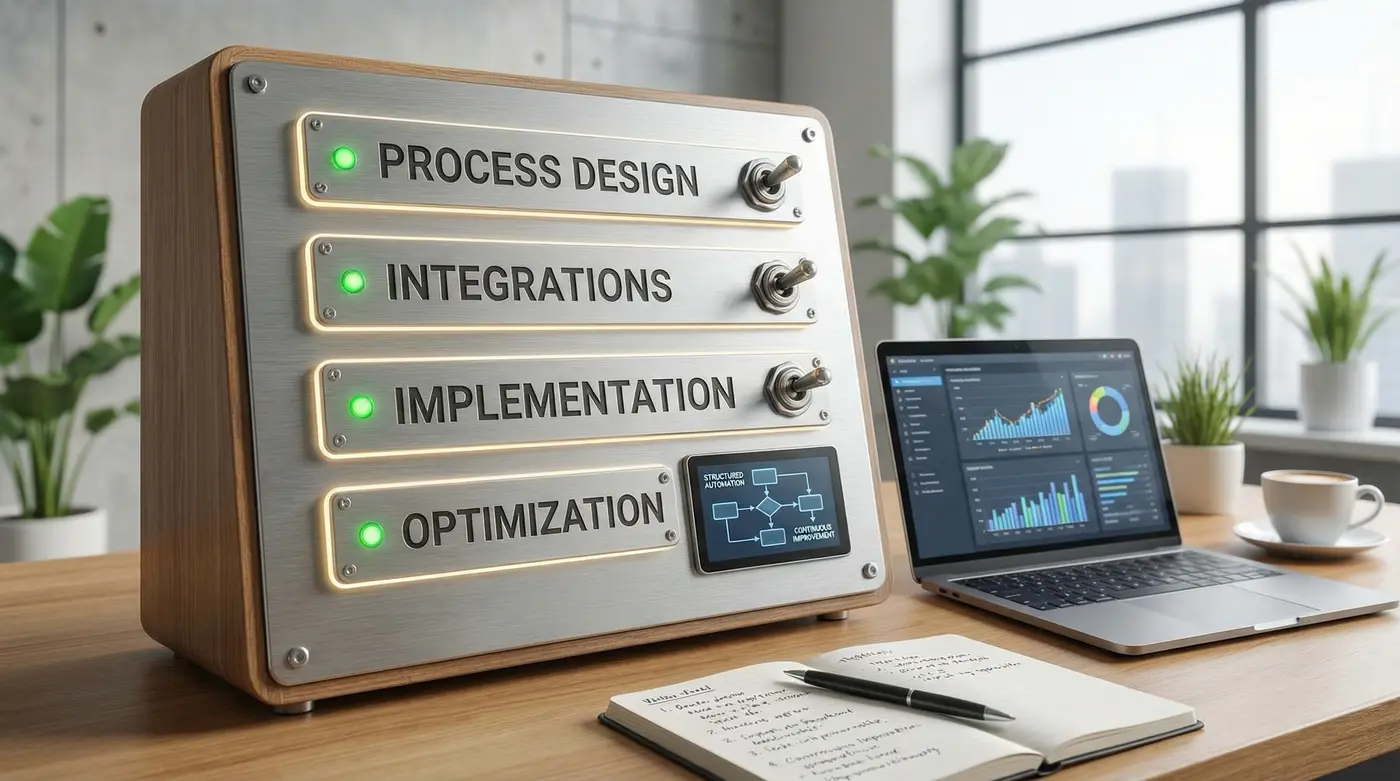
Start with Process Design
Before implementing any automation tool, thoroughly document and optimize existing processes. Automating inefficient processes simply amplifies existing problems and wastes resources. Map current workflows, identify bottlenecks, and redesign processes for efficiency before adding automation.
This preparation ensures automation enhances well-designed processes rather than perpetuating operational inefficiencies.
Prioritize Integration Capabilities
Choose automation tools that integrate well with existing systems and future technology needs. Poor integration leads to data silos, manual workarounds, and reduced automation effectiveness.
Evaluate integration options during tool selection, including native integrations, API availability, and compatibility with workflow automation platforms like Zapier or Make.
Implement Gradually
Roll out automation in phases, starting with simple, high-impact processes before tackling complex workflows. This approach allows teams to build confidence and expertise while delivering quick wins that justify continued investment.
Document each automation implementation thoroughly, including setup procedures, troubleshooting guides, and performance metrics. This documentation supports team training and future optimization efforts.
Monitor and Optimize Continuously
Automation requires ongoing attention to maintain effectiveness and identify optimization opportunities. Establish regular review cycles to assess performance metrics, user feedback, and system reliability.
Use these reviews to refine automation rules, update workflows for changing business needs, and identify additional automation opportunities that support business growth.
Common Pitfalls to Avoid
Automating Without Strategy
Many businesses implement automation tools without clear strategies or success metrics. This approach leads to fragmented systems, wasted resources, and minimal business impact. Develop clear automation strategies that align with business goals and include specific success metrics.
Underestimating Integration Complexity
Integration challenges often exceed initial estimates, leading to delayed implementations and budget overruns. Thoroughly assess integration requirements during tool evaluation, including custom development needs, security considerations, and ongoing maintenance requirements.
Ignoring Change Management
Automation changes how people work, requiring training, communication, and support to ensure successful adoption. Neglecting change management leads to user resistance, underutilization, and failed implementations.
Invest in comprehensive training programs and ongoing support to help team members adapt to new automated workflows effectively.
Measuring Automation ROI
Quantifying automation value helps justify investments and guide future automation decisions. Focus on metrics that reflect both direct cost savings and broader business benefits.
Direct Cost Metrics
Track labor cost reductions, error reduction savings, and efficiency improvements that directly impact operational expenses. These metrics provide clear ROI calculations that justify automation investments.
Customer Experience Metrics
Monitor customer satisfaction scores, response times, and retention rates to measure automation impact on customer relationships. Improved customer experiences often translate to higher lifetime value and reduced acquisition costs.
Team Productivity Metrics
Measure how automation frees team members to focus on high-value activities like strategy development, relationship building, and innovation. These productivity gains often provide the greatest long-term business value.
Automation for High-Ticket and Luxury Markets
Businesses serving high-ticket and luxury markets require automation approaches that maintain personal touch while delivering efficiency and scalability. These sectors demand sophisticated automation that enhances rather than replaces human expertise.
Real Estate Automation
Real estate professionals use automation to nurture leads through complex buying journeys while maintaining personal relationships. CRM automation tracks client preferences, automates property alerts, and schedules follow-up communications based on client behavior and timeline.
Advanced automation includes virtual tour scheduling, document management, and transaction milestone tracking that keeps all parties informed throughout lengthy sales processes.
Financial Services Automation
Financial services firms leverage automation for compliance tracking, client onboarding, and portfolio management communications. Automation ensures consistent service delivery while maintaining the personal attention that high-net-worth clients expect.
Sophisticated workflows automatically generate personalized reports, schedule regular check-ins, and alert advisors to important client events or market conditions that require immediate attention.
Next Steps: Getting Started with Automation
Beginning your automation journey requires careful planning and systematic execution. Start by assessing current processes and identifying high-impact automation opportunities that align with business goals.
Conduct free trials of recommended tools to evaluate functionality and integration capabilities. Focus on tools that offer strong support resources and gradual implementation paths that accommodate learning curves.
Consider partnering with automation specialists who can provide guidance on tool selection, implementation best practices, and ongoing optimization strategies. Professional support often accelerates ROI and reduces implementation risks.
Ready to transform your business with strategic automation? Our team specializes in helping online entrepreneurs implement automation systems that drive measurable growth. Contact us today to discuss how the right automation tools can scale your business smarter, not harder.