How Founders Can Master Task Delegation to AI Assistants for Exponential Business Growth
The landscape of business automation has reached a pivotal moment. For founders managing growing companies, the ability to effectively delegate tasks to AI assistants is no longer a competitive advantage—it’s becoming essential for survival. As businesses scale from $500K to $10M in revenue, the operational complexity increases exponentially, making traditional delegation methods insufficient for sustainable growth.
The emergence of agentic AI systems has transformed how founders can approach task delegation. Unlike simple automation tools that follow rigid scripts, these intelligent assistants can adapt, learn, and execute complex workflows with minimal human intervention. This evolution enables founders to focus on strategic initiatives while maintaining operational excellence across their organizations.
Why AI Delegation Has Become Critical for Modern Founders
The business case for delegating tasks to ai assistants as a founder extends far beyond simple time savings. Market research indicates that 61% of business leaders now use AI tools regularly, with adoption rates climbing steadily across all company sizes. This widespread adoption reflects a fundamental shift in how successful businesses operate.
Operational bottlenecks represent one of the most significant challenges for scaling businesses. Traditional delegation requires hiring, training, and managing human resources for every new function. AI delegation eliminates these constraints, allowing founders to scale operations without proportional increases in overhead costs.
Consider the typical founder’s daily workflow: reviewing reports, responding to client communications, analyzing marketing performance, managing project timelines, and making strategic decisions. Each of these areas contains tasks that can be effectively delegated to AI assistants, freeing up cognitive resources for high-impact activities.
Understanding Agentic AI and Its Business Applications
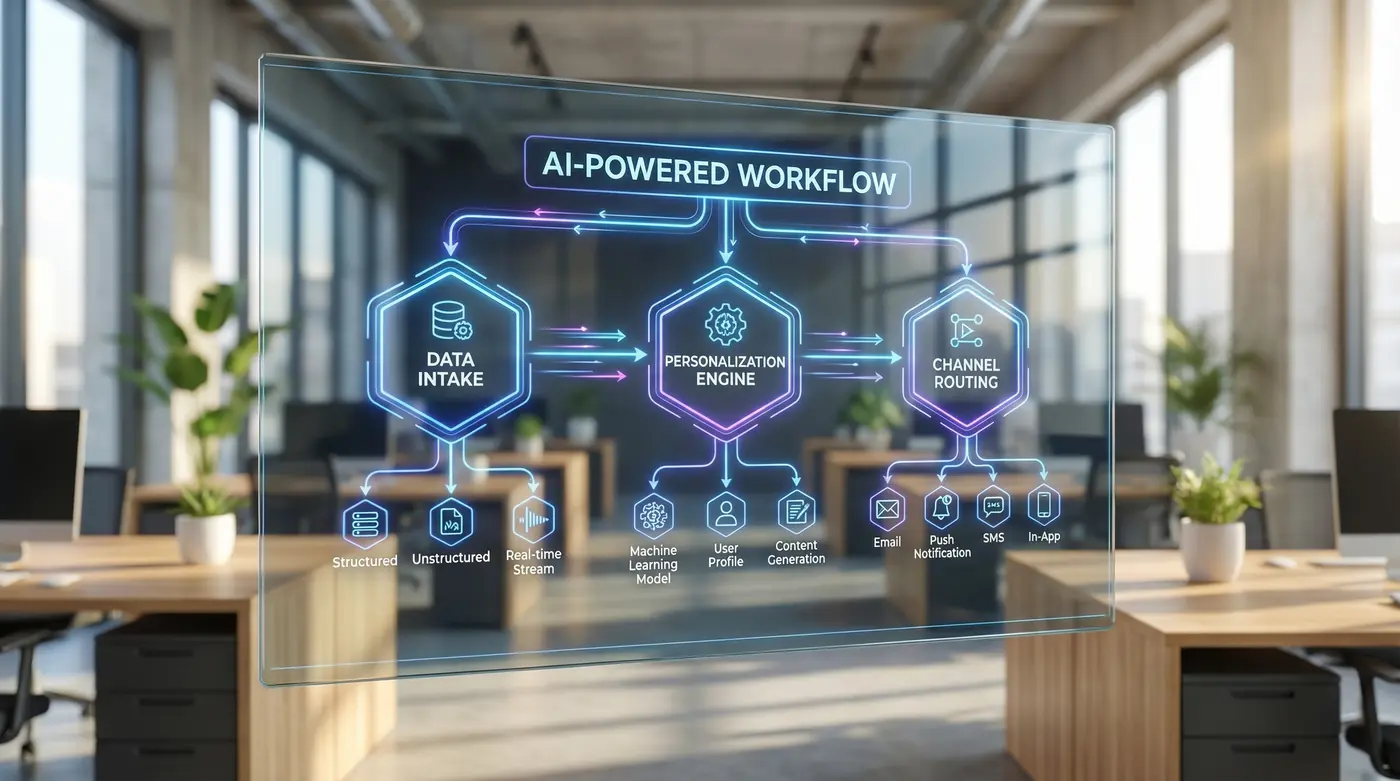
Agentic AI represents a significant evolution from traditional automation. These systems can understand context, make decisions within defined parameters, and adapt their approach based on outcomes. For founders, this means ai to automate small business operations can handle increasingly sophisticated tasks without constant supervision.
The key differentiator of agentic AI lies in its ability to manage complete workflows rather than individual tasks. For example, instead of simply scheduling social media posts, an agentic AI system can analyze engagement patterns, adjust content strategy, optimize posting times, and provide strategic recommendations based on performance data.
In digital marketing applications, agentic AI can manage entire campaign lifecycles. From initial audience research and content creation to performance monitoring and optimization, these systems can execute complex marketing strategies while maintaining consistency with brand guidelines and business objectives.
Strategic Framework for AI Task Delegation
Successful AI delegation requires a systematic approach to identifying, prioritizing, and implementing automation opportunities. The most effective founders begin by auditing their current workflows to identify high-impact delegation opportunities.
High-value delegation targets typically share several characteristics: they’re repetitive, rule-based, data-driven, and don’t require complex human judgment. Examples include lead qualification, content distribution, performance reporting, customer onboarding sequences, and basic customer service inquiries.

The delegation process should follow a structured framework. First, document existing processes in detail, including decision points, exception handling, and success metrics. Next, identify which components can be automated immediately and which require gradual transition. Finally, implement monitoring systems to ensure AI assistants maintain quality standards and business alignment.
For businesses in high-touch sectors like real estate and financial services, the delegation strategy must balance automation efficiency with relationship quality. AI assistants can handle initial client interactions, data gathering, and follow-up communications, while human experts focus on consultation and decision-making phases.
Practical Implementation Strategies
The transition to AI-assisted operations requires careful planning and execution. Successful implementations typically begin with low-risk, high-volume tasks that provide immediate value while building organizational confidence in AI systems.
Content creation represents an excellent starting point for most businesses. AI assistants can generate initial drafts, optimize for SEO, create social media variations, and maintain content calendars. This allows marketing teams to focus on strategy development and performance analysis rather than production tasks.
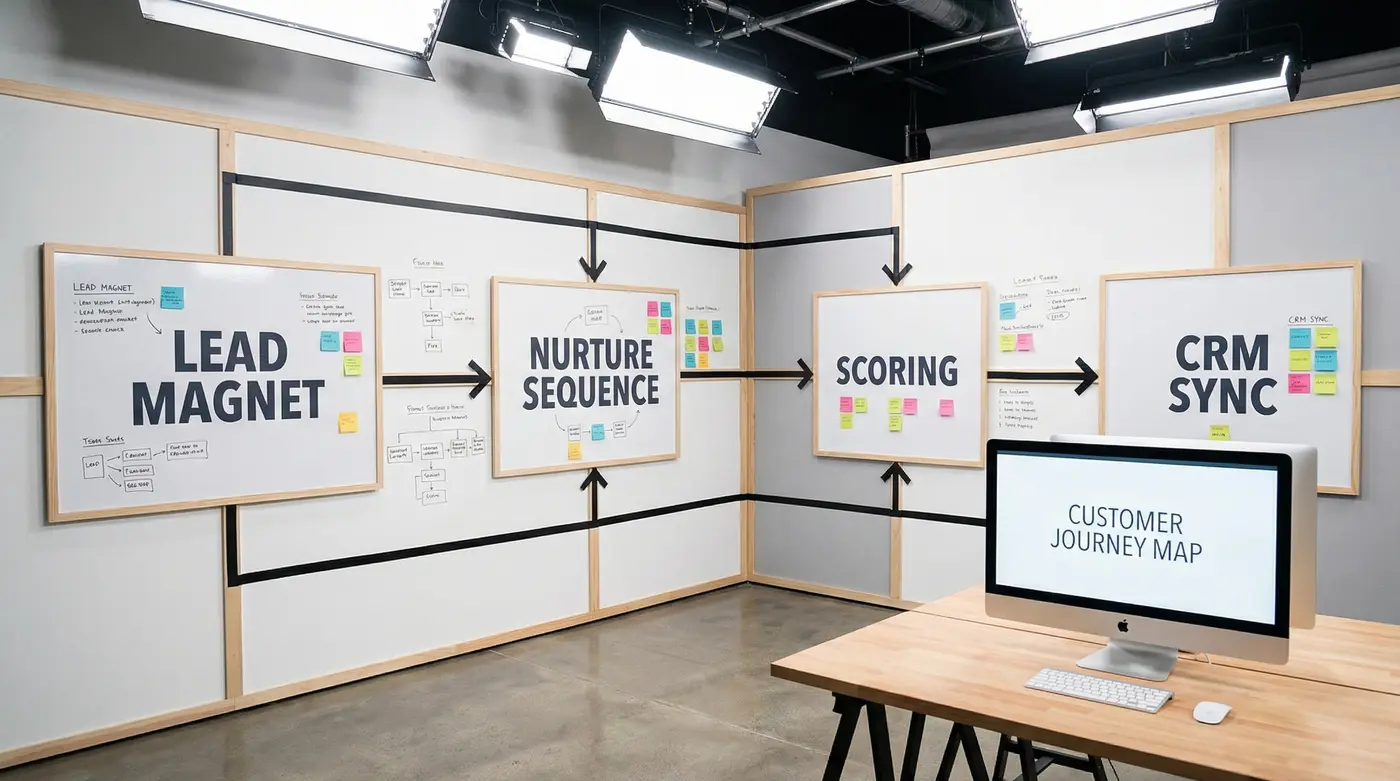
Sales funnel management offers another high-impact opportunity. AI assistants can qualify leads, personalize outreach sequences, schedule follow-ups, and track prospect engagement. These capabilities enable sales teams to focus on relationship building and closing while maintaining consistent prospect nurturing.
Customer service automation through AI assistants can handle routine inquiries, escalate complex issues appropriately, and maintain detailed interaction logs. This approach improves response times while ensuring human agents focus on situations requiring empathy and problem-solving skills.
Maintaining Human Oversight in AI Delegation
Effective AI delegation doesn’t eliminate human involvement, it optimizes human contribution. The most successful implementations maintain clear boundaries between AI autonomy and human oversight, ensuring quality control while maximizing efficiency gains.
Establishing clear performance metrics and monitoring systems is crucial for maintaining delegation effectiveness. Regular audits of AI outputs help identify areas for improvement and ensure alignment with business objectives. These reviews should examine both quantitative metrics and qualitative factors like brand consistency and customer satisfaction.
Trust-building in AI delegation occurs gradually through proven performance. Starting with lower-stakes tasks allows teams to build confidence in AI capabilities while developing effective oversight processes. As trust increases, more complex and critical tasks can be delegated safely.
For businesses serving high-value clients, transparency about AI usage can actually enhance credibility. Clients often appreciate knowing that routine tasks are handled efficiently through automation, freeing human experts to focus on strategic guidance and personalized service.
Overcoming Common AI Delegation Challenges
Shadow AI usage represents one of the most significant risks in modern businesses. When team members use AI tools without proper oversight or integration, it can create consistency issues, security risks, and missed optimization opportunities. Founders must establish clear AI usage policies and provide approved tools to prevent unauthorized implementations.
Integration challenges often arise when AI assistants operate in isolation from existing business systems. Effective delegation requires seamless integration with CRM platforms, marketing automation tools, and other business applications. This integration ensures data consistency and enables comprehensive performance tracking.
Quality control becomes more complex with AI delegation, requiring new approaches to monitoring and correction. Implementing feedback loops, regular audits, and performance benchmarks helps maintain standards while allowing AI assistants to improve over time.
Change management represents another critical challenge. Team members may resist AI delegation due to job security concerns or skepticism about AI capabilities. Successful implementations address these concerns through clear communication about AI’s role in enhancing rather than replacing human capabilities.
Industry-Specific Delegation Strategies
Different industries require tailored approaches to AI delegation based on regulatory requirements, customer expectations, and operational complexity. Digital marketing agencies can leverage AI for campaign management, content creation, and performance analysis while maintaining creative oversight for strategic decisions.
Real estate professionals can delegate property research, market analysis, client communication, and administrative tasks to AI assistants while focusing on relationship building and negotiation. This approach allows agents to handle more clients without compromising service quality.
Financial services firms must balance automation benefits with regulatory compliance and fiduciary responsibilities. AI assistants can handle data analysis, report generation, and routine client communications while human advisors maintain control over investment recommendations and strategic planning.

Coaching and consulting businesses can use AI for client onboarding, progress tracking, content delivery, and administrative management. This delegation allows coaches to focus on high-value interactions while maintaining consistent client support.
Future-Proofing Your AI Delegation Strategy
The rapid evolution of AI technology requires forward-thinking approaches to delegation strategy. Successful founders build flexible systems that can adapt to new AI capabilities while maintaining operational stability.
Continuous learning and adaptation are essential for long-term success. Regular evaluation of new AI tools and techniques ensures businesses remain competitive while avoiding the disruption of constant system changes. Building relationships with AI technology providers can provide early access to new capabilities and implementation support.
Team upskilling becomes increasingly important as AI capabilities expand. Training programs should focus on AI collaboration skills, oversight techniques, and strategic thinking rather than attempting to compete with AI capabilities. This approach ensures human team members remain valuable contributors in an AI-enhanced environment.
Scalability planning should account for AI delegation expansion. As businesses grow, AI systems should scale proportionally without requiring complete reimplementation. Cloud-based solutions and modular architectures support this scalability while maintaining cost effectiveness.
Measuring Success in AI Delegation
Effective measurement of AI delegation success requires comprehensive metrics that capture both efficiency gains and quality maintenance. Time savings, cost reduction, and productivity increases provide quantitative measures of success, while customer satisfaction, quality scores, and strategic impact offer qualitative indicators.
Return on investment calculations should include both direct cost savings and indirect benefits like improved strategic focus and faster decision-making. Many businesses find that AI delegation provides compound benefits that extend beyond immediate task automation.
Regular performance reviews should compare AI-delegated tasks against previous human performance, identifying areas where AI excels and where human oversight remains critical. This analysis informs future delegation decisions and optimization opportunities.
Customer impact metrics help ensure that AI delegation enhances rather than diminishes customer experience. Response times, satisfaction scores, and retention rates provide insight into the external effects of internal automation changes.
Getting Started with AI Delegation
The path to successful AI delegation begins with careful assessment and strategic planning. Start by identifying three to five high-impact, low-risk tasks that could benefit from automation. Focus on activities that consume significant time but don’t require complex human judgment.
Pilot programs provide safe environments for testing AI delegation approaches. Begin with limited scope implementations that allow for learning and adjustment before broader deployment. Document lessons learned and best practices for future reference.
Technology selection should prioritize integration capabilities, scalability, and support quality over feature complexity. Choose AI tools that work well with existing systems and provide clear upgrade paths as needs evolve.
Team preparation involves training, communication, and change management. Ensure team members understand their evolving roles and how AI delegation supports rather than threatens their contributions. Clear communication about AI capabilities and limitations helps build realistic expectations and effective collaboration.
Ready to transform your business through strategic AI delegation? Schedule a consultation to discover how our proven automation strategies can double your growth while freeing you to focus on what matters most. Our team specializes in implementing AI delegation systems that scale with your business and deliver measurable results.
The future of business leadership involves mastering the art of AI delegation. Founders who develop these capabilities now will build significant competitive advantages as AI technology continues advancing. The question isn’t whether to embrace AI delegation, but how quickly you can implement it effectively to accelerate your business growth.