Why AI Is the Best Cofounder for Entrepreneurs: Supercharging Growth, Automation, and Sales Funnels
The New Era of Entrepreneurship: AI as Your Digital Cofounder
Entrepreneurship has fundamentally changed. The traditional model of seeking technical cofounders, raising significant capital, or building large teams before launching has been disrupted by artificial intelligence. Today’s most successful entrepreneurs understand why AI is the best cofounder for entrepreneurs, offering unprecedented capabilities that surpass human limitations in speed, scalability, and consistency.
Unlike human cofounders who require equity, salaries, and complex interpersonal dynamics, AI operates 24/7 without breaks, emotions, or competing priorities. This digital cofounder can simultaneously handle marketing automation, sales funnel optimization, customer service, content creation, and data analysis while you focus on strategic vision and relationship building.
The democratization of AI tools means that solo founders and small teams can now compete with enterprise-level organizations. According to recent industry data, 38% of successful startups now launch without traditional venture capital, relying instead on AI-powered automation to achieve rapid growth and profitability.
Automation and Productivity: Freeing Entrepreneurs for Strategic Innovation
The most compelling reason why AI is the best cofounder for entrepreneurs lies in its ability to automate repetitive, time-consuming tasks that traditionally required human intervention. Modern AI systems can handle everything from email marketing sequences and social media posting to lead qualification and appointment scheduling.
Consider the typical entrepreneur’s daily workflow. Before AI, you might spend hours manually segmenting email lists, crafting personalized outreach messages, updating CRM records, and analyzing campaign performance. Now, AI tools can complete these tasks in minutes while you sleep, allowing you to wake up to qualified leads, optimized campaigns, and detailed performance insights.
This automation extends beyond basic tasks. AI can now handle complex workflows like multi-touch nurture sequences, dynamic pricing adjustments, inventory management, and even customer support interactions. The result is a business that operates with the efficiency of a much larger organization while maintaining the agility and personal touch of a boutique operation.
AI-Driven Sales Funnels: Building Scalable, High-Converting Systems
Sales funnels represent the backbone of modern digital businesses, and AI has revolutionized how entrepreneurs approach funnel optimization. Traditional funnel building required extensive A/B testing, manual analysis, and iterative improvements that could take months to yield results. AI compresses this timeline dramatically.

AI-powered funnel systems can analyze visitor behavior in real-time, automatically adjusting messaging, offers, and user experience based on individual visitor characteristics. For example, if AI detects that a visitor is price-sensitive based on their browsing patterns, it might present a different offer structure or highlight value propositions rather than premium features.
Platforms like Systeme.io and ClickFunnels now integrate AI capabilities that automatically optimize landing pages, email sequences, and checkout processes. These systems learn from every interaction, continuously improving conversion rates without manual intervention. Some entrepreneurs report 40-60% improvements in funnel performance within weeks of implementing AI optimization.
The beauty of AI-driven funnels lies in their ability to personalize at scale. While a human cofounder might help you create one or two high-performing funnels, AI can simultaneously optimize dozens of funnels for different market segments, traffic sources, and customer personas.
Hyper-Personalization at Scale: Delivering Targeted Experiences
Personalization has evolved from a nice-to-have feature to a competitive necessity. Customers now expect tailored experiences that speak directly to their needs, preferences, and stage in the buying journey. This level of personalization was previously impossible for small businesses to deliver at scale, but AI has changed the game entirely.
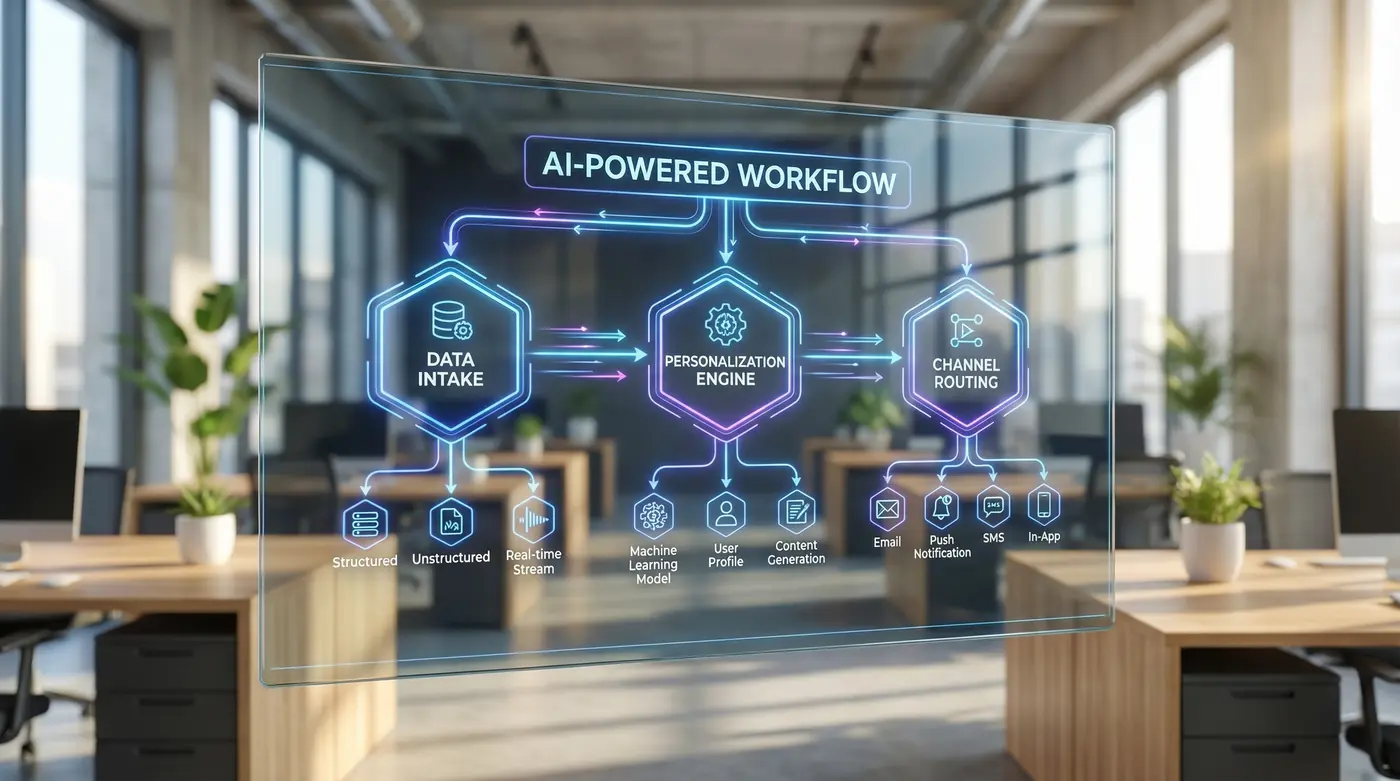
Modern AI systems can analyze customer data from multiple touchpoints, including website behavior, email engagement, social media interactions, and purchase history, to create comprehensive customer profiles. These profiles enable hyper-targeted marketing messages that feel personally crafted for each individual.
For entrepreneurs in luxury sectors like real estate or financial services, this capability is particularly powerful. AI can identify high-value prospects based on subtle behavioral indicators and automatically route them into premium nurture sequences. It can also detect when prospects are ready to buy and trigger immediate alerts for personal follow-up.

The omnichannel aspect of AI personalization means your digital cofounder can coordinate messaging across email, social media, SMS, and even direct mail to create cohesive, personalized customer journeys that would be impossible to manage manually.
Real-World Success Stories: Solo Founders Scaling with AI
The proof of why AI is the best cofounder for entrepreneurs lies in real-world results. Consider the case of a solo founder who built a content SaaS platform using AI tools. Starting with just AI-powered market research and content generation, she launched her product in 90 days, acquired over 1,000 users in the first six months, and achieved profitability without hiring a single employee.
Another compelling example involves a boutique digital marketing agency that used AI to automate client onboarding, campaign creation, and reporting. By leveraging AI tools for client communication, ad optimization, and performance analysis, the founder scaled from handling 5 clients personally to managing 50+ clients with just two part-time assistants.
In the e-commerce space, entrepreneurs are using AI to automate everything from product research and listing optimization to customer service and inventory management. One founder built a seven-figure e-commerce business using AI for product selection, automated social media marketing, and dynamic pricing, requiring minimal hands-on management.
These success stories share common themes: rapid launch capabilities, scalable operations, and the ability to compete with much larger organizations through AI-powered automation and optimization.
Integration and Implementation: Choosing Your AI Cofounder Stack
Selecting the right AI tools is crucial for entrepreneurs looking to leverage artificial intelligence as their digital cofounder. The key is choosing platforms that integrate seamlessly with your existing systems while providing room for growth and scalability.
For entrepreneurs with limited technical expertise, no-code AI platforms offer the perfect entry point. Tools like Zapier’s AI features, Bubble’s AI integrations, and Webflow’s automated workflows enable sophisticated automation without programming knowledge. These platforms allow you to connect different business systems and create automated workflows that handle everything from lead capture to customer onboarding.
Those with moderate technical skills might benefit from low-code solutions like Microsoft Power Platform, Salesforce Einstein, or HubSpot’s AI tools. These platforms offer more customization options while remaining accessible to non-developers.
For maximum flexibility, entrepreneurs with technical backgrounds can leverage full integration platforms and APIs from OpenAI, Google Cloud AI, or Amazon Web Services. These solutions require more setup but offer unlimited customization possibilities.
The key is to start simple and scale gradually. Begin with one or two core AI tools that address your biggest pain points, then expand your AI cofounder’s capabilities as you grow.
Ethical Considerations: Building Trust Through Transparency
As AI becomes your digital cofounder, maintaining ethical standards and transparency becomes crucial for long-term success. Customers increasingly expect businesses to be transparent about AI usage, data collection, and automated decision-making processes.
Implementing ethical AI practices involves several key considerations. First, ensure data privacy and security by using AI platforms that comply with regulations like GDPR and CCPA. Second, maintain transparency by clearly communicating when customers are interacting with AI systems versus humans.
Regular audits of AI performance help identify and correct biases that might affect customer experience or business decisions. This is particularly important for entrepreneurs in regulated industries like financial services or real estate, where AI decisions can have significant legal and ethical implications.
Building trust through ethical AI use becomes a competitive advantage, as customers gravitate toward businesses that demonstrate responsible technology adoption.
Strategic Implementation Roadmap: Your AI Cofounder Journey
Successfully adopting AI as your cofounder requires a strategic approach that balances ambition with practical implementation. Start by conducting an honest assessment of your current business processes and identifying the highest-impact areas for AI automation.
Phase one should focus on foundational automation: email marketing, social media scheduling, and basic customer service. These areas offer immediate ROI and help you gain confidence with AI tools before tackling more complex implementations.
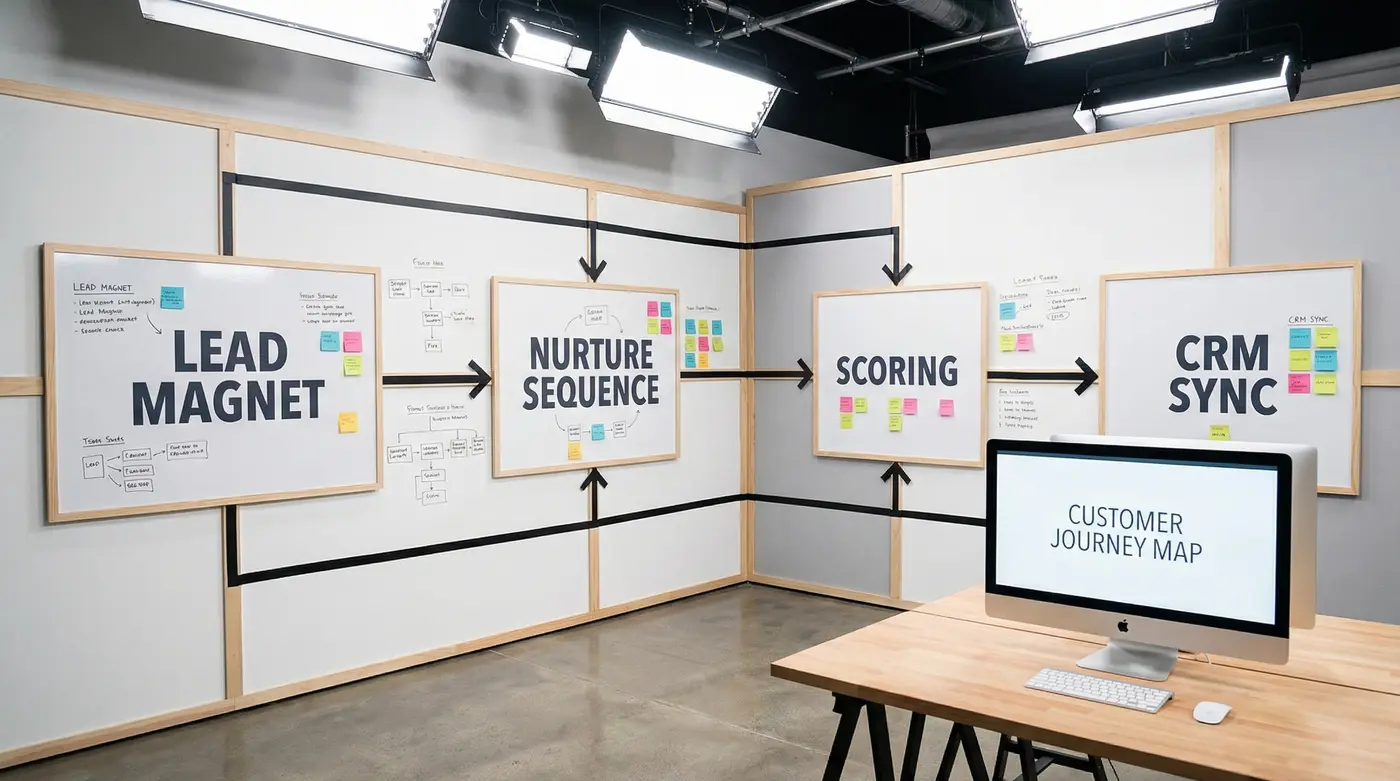
Phase two involves implementing AI-driven sales and marketing funnels. This includes lead scoring, automated nurture sequences, and dynamic content personalization. The goal is to create systems that continuously optimize themselves based on performance data.
Phase three encompasses advanced AI integration: predictive analytics, advanced personalization, and omnichannel automation. At this stage, your AI cofounder should be handling the majority of routine business operations while providing strategic insights for growth decisions.
Throughout this journey, continuous learning and adaptation are essential. AI technology evolves rapidly, and successful entrepreneurs stay current with new capabilities and best practices.
Measuring Success: ROI and Performance Metrics
The effectiveness of AI as your digital cofounder must be measured through concrete metrics that demonstrate business impact. Key performance indicators include increased conversion rates, reduced customer acquisition costs, improved customer lifetime value, and enhanced operational efficiency.
Time savings represent another crucial metric. Track how much time AI automation saves weekly and calculate the monetary value of that time. Many entrepreneurs find that AI tools save 10-20 hours per week, equivalent to hiring a full-time assistant but at a fraction of the cost.
Revenue attribution helps identify which AI-powered processes contribute most directly to business growth. This data informs future AI investments and helps optimize your digital cofounder’s performance.
Customer satisfaction metrics also provide valuable insights into AI effectiveness. Monitor response times, resolution rates, and customer feedback to ensure AI implementations enhance rather than detract from customer experience.
The Future of AI-Powered Entrepreneurship
The trajectory of AI development suggests that its role as the ultimate cofounder will only strengthen over time. Emerging technologies like agentic AI promise even greater autonomy, with AI systems capable of making complex business decisions and executing multi-step strategies independently.
Voice and conversational AI are becoming more sophisticated, enabling natural interactions between AI systems and customers that feel increasingly human-like. This evolution will further blur the lines between human and AI capabilities in business operations.
Predictive analytics powered by AI will become more accurate and actionable, allowing entrepreneurs to anticipate market changes, customer needs, and growth opportunities with unprecedented precision.
The entrepreneurs who embrace AI as their cofounder today position themselves at the forefront of this transformation, gaining competitive advantages that compound over time.
Taking Action: Your Next Steps
Understanding why AI is the best cofounder for entrepreneurs is just the beginning. The real value comes from implementation and consistent optimization of AI-powered systems.
Start by auditing your current business processes and identifying three areas where AI automation could provide immediate impact. Research AI tools that address these specific needs and begin with free trials or basic plans to test functionality.
Develop a learning plan to stay current with AI developments in your industry. Follow AI-focused publications, join entrepreneur communities discussing AI implementation, and consider formal training in AI business applications.
Most importantly, start small but think big. Your AI cofounder’s capabilities will grow as you gain experience and confidence with these powerful tools.
Ready to Scale with AI?
If you’re ready to harness AI as your ultimate business cofounder but want expert guidance in implementation, consider partnering with professionals who specialize in AI-powered growth strategies. The right support can accelerate your AI adoption timeline and ensure you avoid common pitfalls while maximizing the technology’s potential for your specific business goals.
The future of entrepreneurship belongs to those who successfully integrate AI into their business operations. Your AI cofounder is waiting to help you achieve unprecedented growth, efficiency, and market impact. The question isn’t whether to adopt AI, but how quickly you can begin this transformative journey.